After the Tour

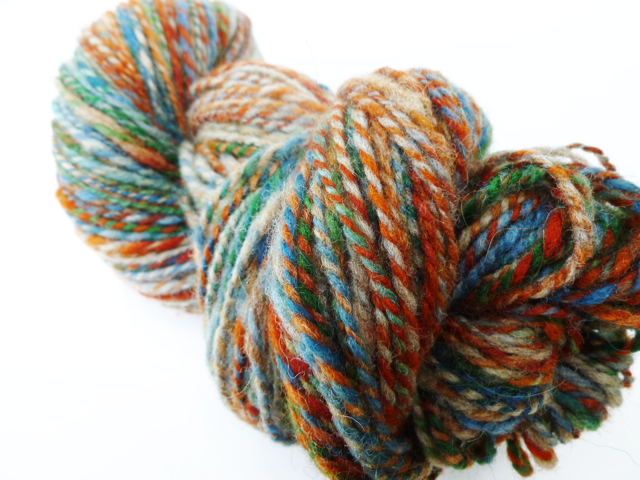
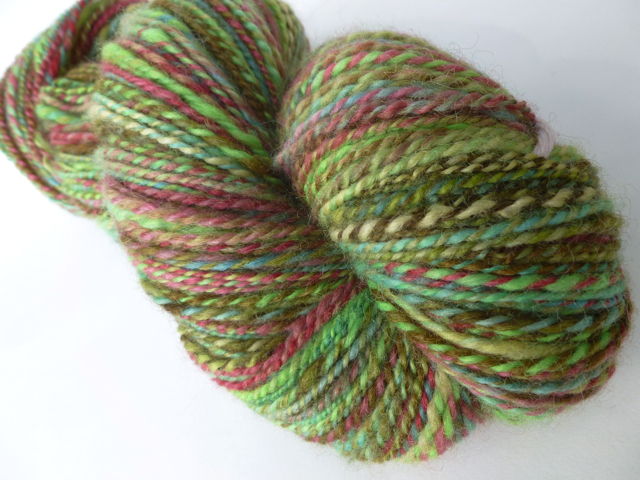
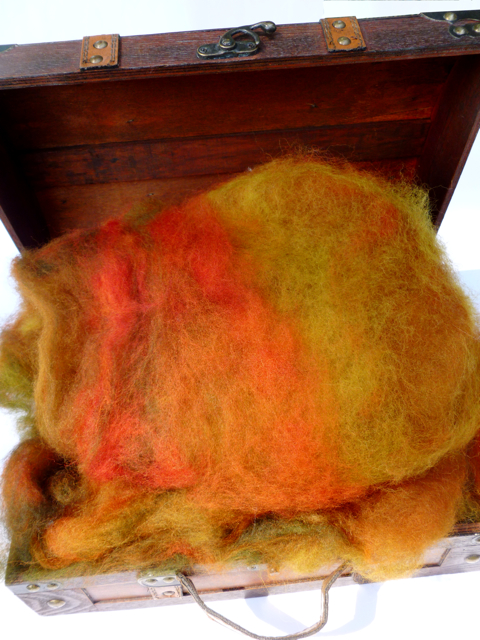
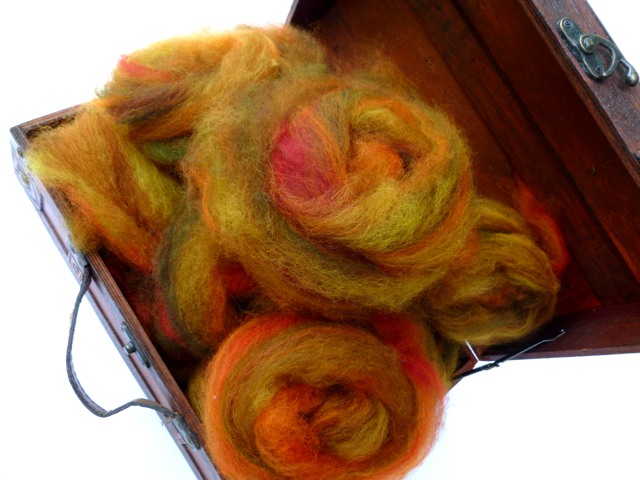
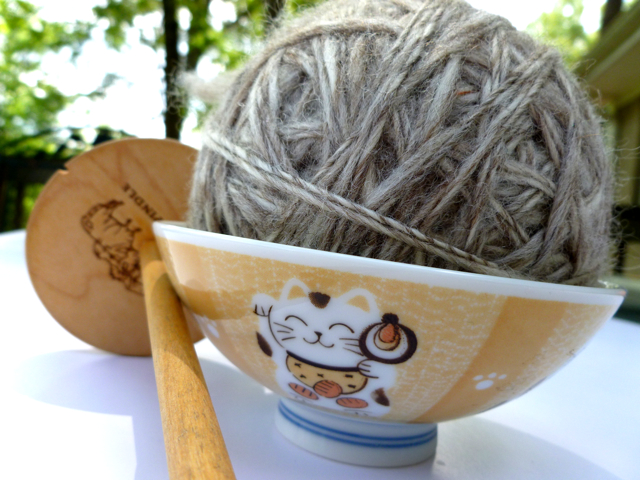
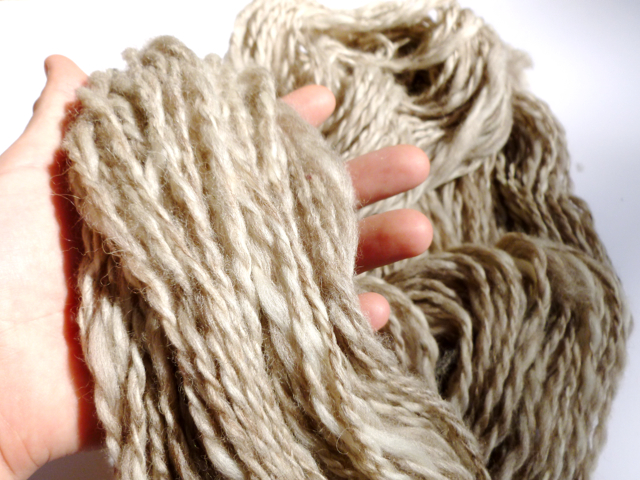
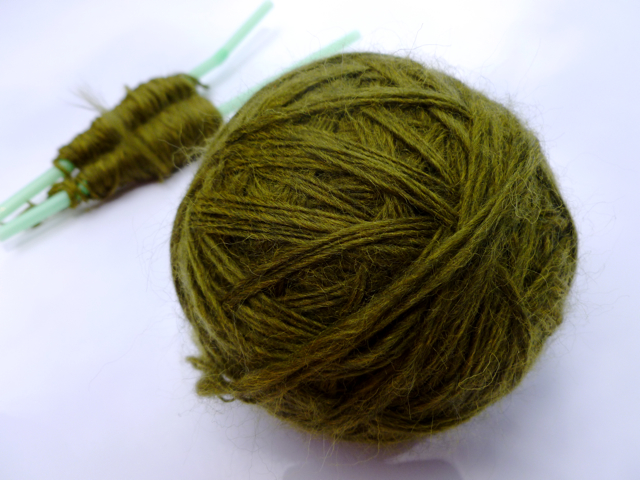
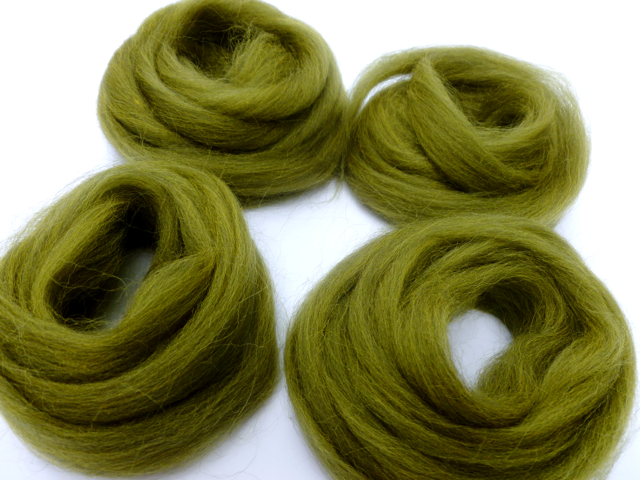
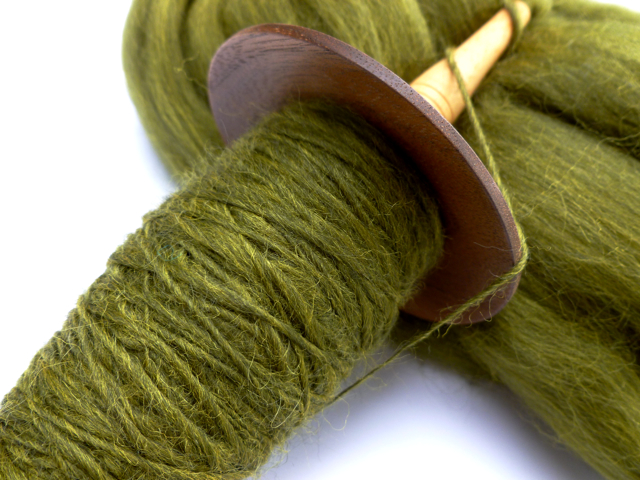
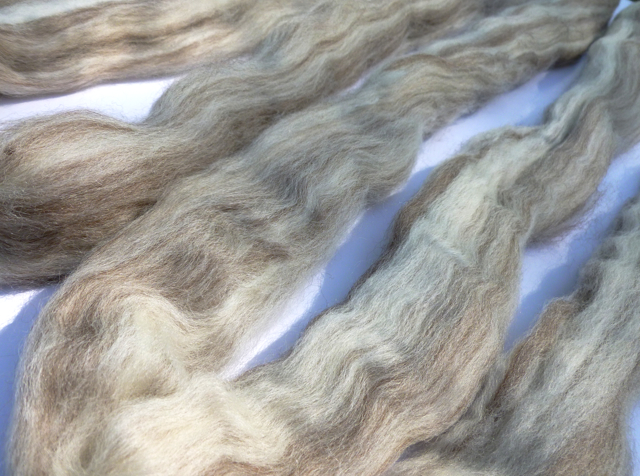
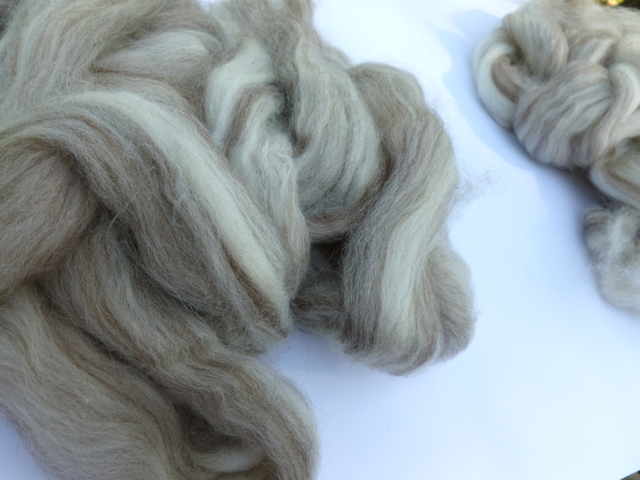
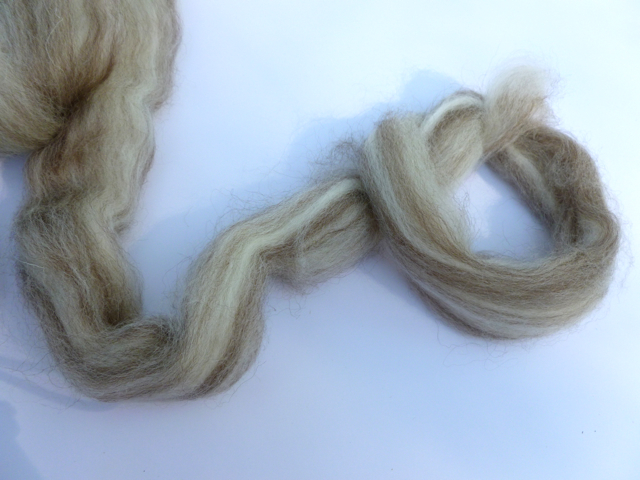
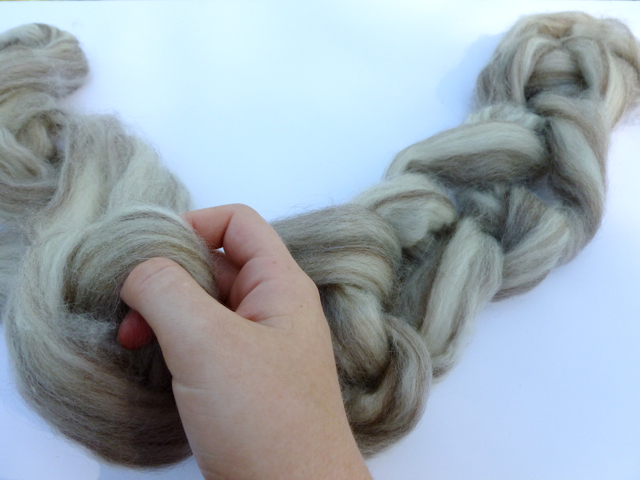
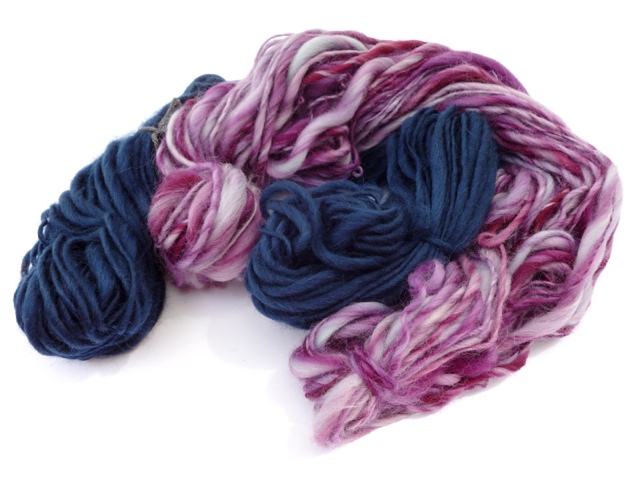
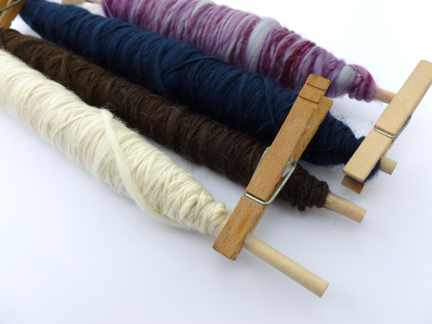
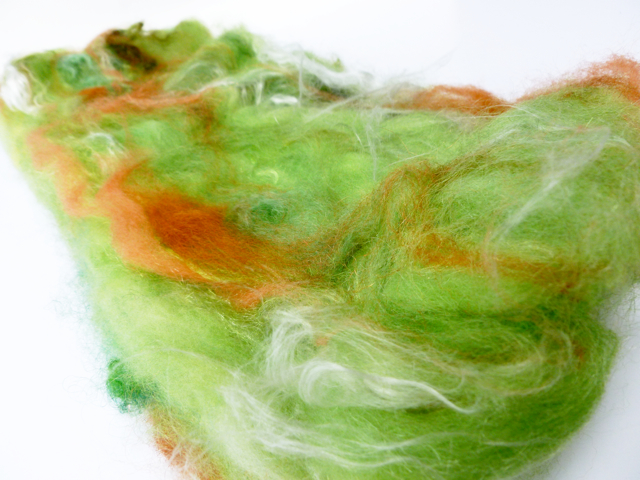
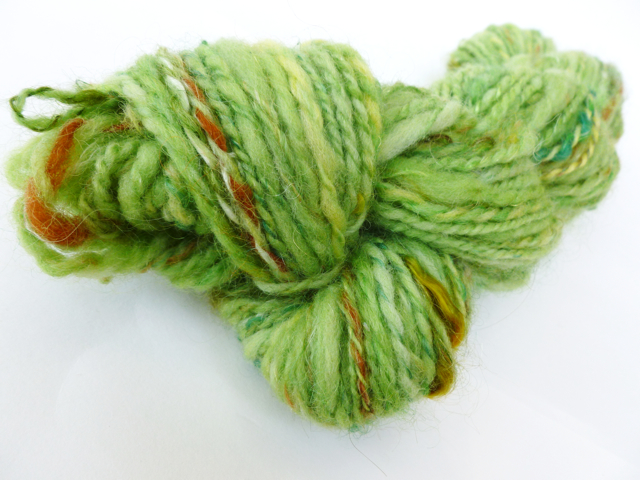
For my last Tour de Fleece skein, I decided to give spinning from batts another try. This batt, thankfully doesn’t look like upchucked bodily fluids or any other bodily fluid I know of. The stats: 1.9 ounces of Something Wicked This Way Wanders... by The Madd Batter. It’s a combination of Falkland, Firestar Sparkle, Merino, Mohair and Romney locks, and a bit of silk just because.
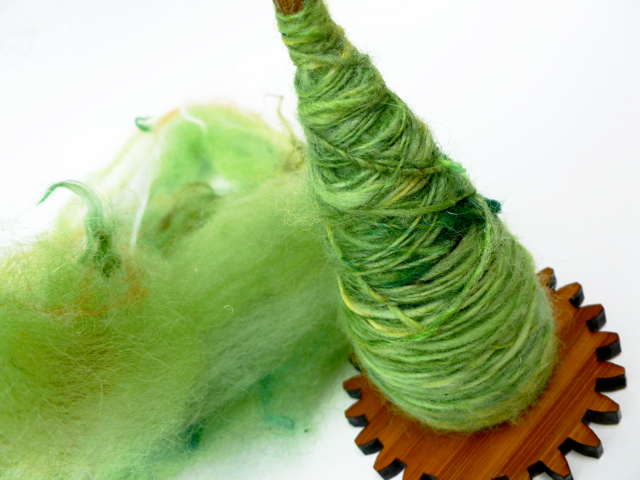
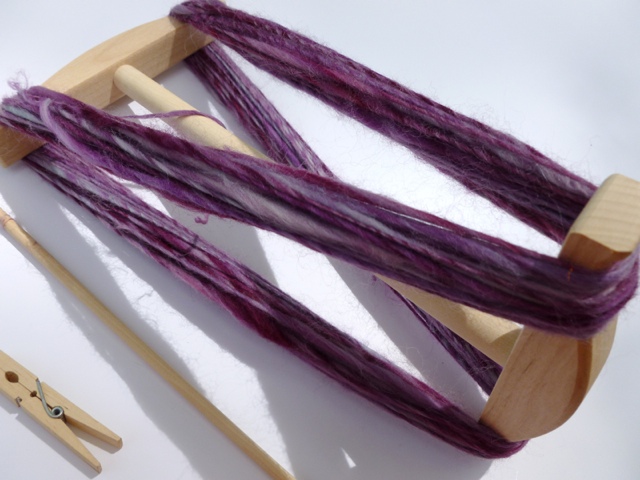
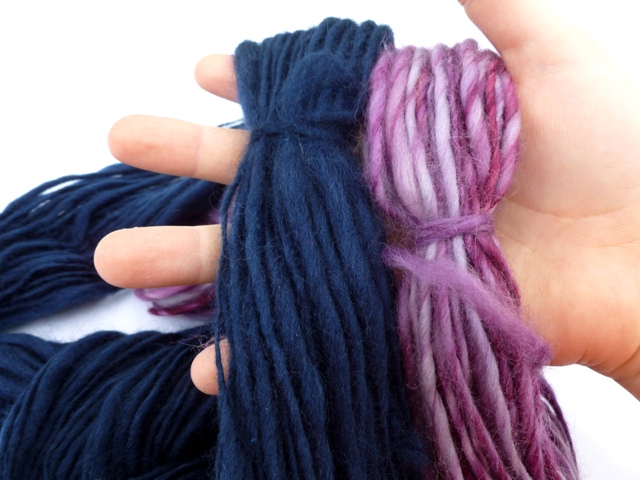
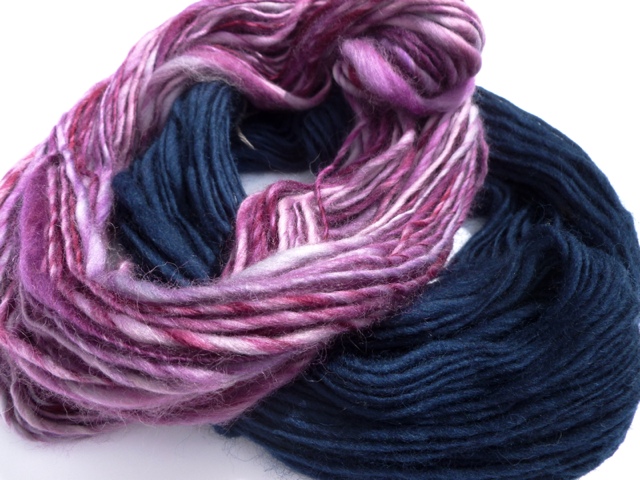
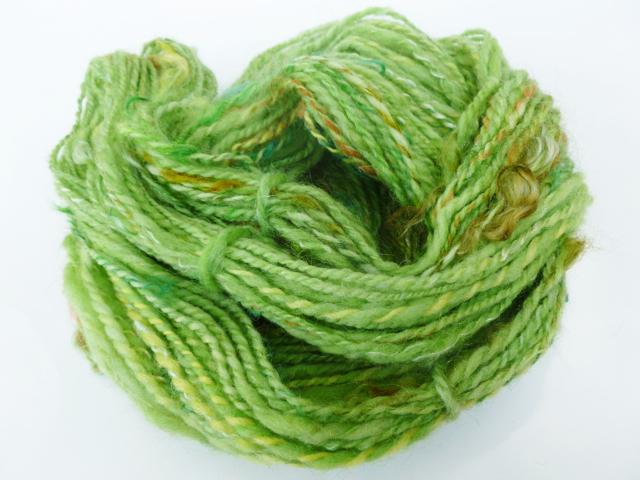
I managed to finish this skein with a day to spare but the spinning was a mixed bag of easy-peasy and challenging. There were locks that disrupted my drafting, clumps of wool that wanted to do their own thing, as well as silk and sparkle that were more interested in floating around the room than becoming yarn. After spinning one long single, I plied it back on itself to make 90 yards of 2-ply which is part-art yarn. Some parts of crazy with sparkle and wild locks. Other parts are humble and unassuming. All around, the skein is a strong ending to Tour de Fleece. 
The Stats

5 skeins finished  |  18.9 ounces of fiber spun  |  1,040 total yards

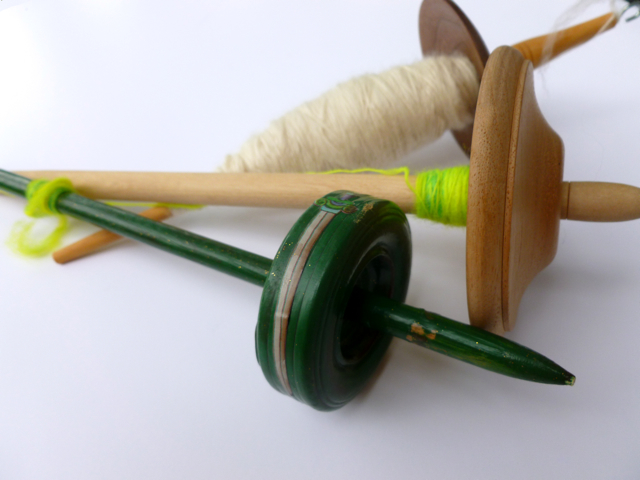
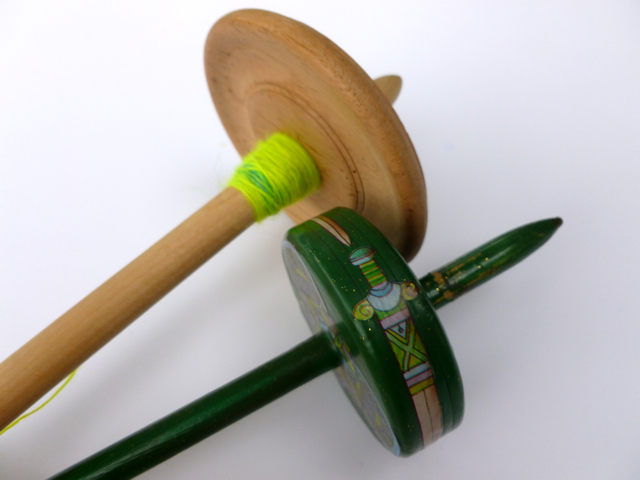
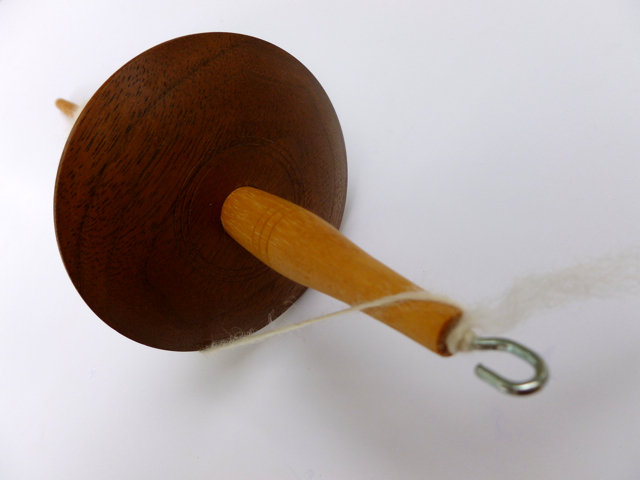
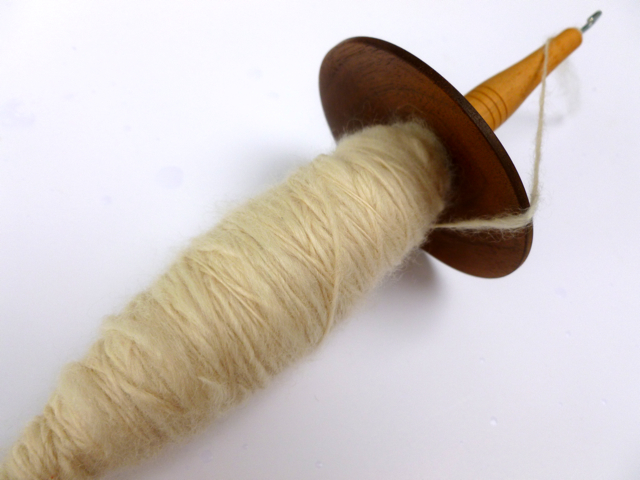
1,040 total yards? I just boggled my own mind and that’s awesome! I never dreamed I’d spin more than 1,000 yards during the Tour with makes the whole thing a success in my book. The added bonus is that I actually met most of my goals. I learned new skills - spinning from a batt and the butterfly wrap - and refined others. I spun new fibers and found a new favorite, Falkland. Didn’t get to around to the silk mawatas though. I expanded my tools with a WPI gauge from Girl on the Rocks, a 22 gram drop spindle, and a turkish spindle. I spun the good, special stuff and didn’t ruin it. I did not manage to SPIN ALL THE THINGS! but I did try. 
Goals and yardage aside, Tour de Fleece taught me to lose the complacency with my own skills and keep learning, keep trying, and keep pushing forward. I’m a better spinner than I was a month ago and there is still so much more to practice. The thought isn’t depressing, it’s inspiring not just for my spinning but also in the rest of my life. There’s so much I can do if I just put my mind and passion to work.

Keep learning and keep pushing forward, my friends.
On Tour

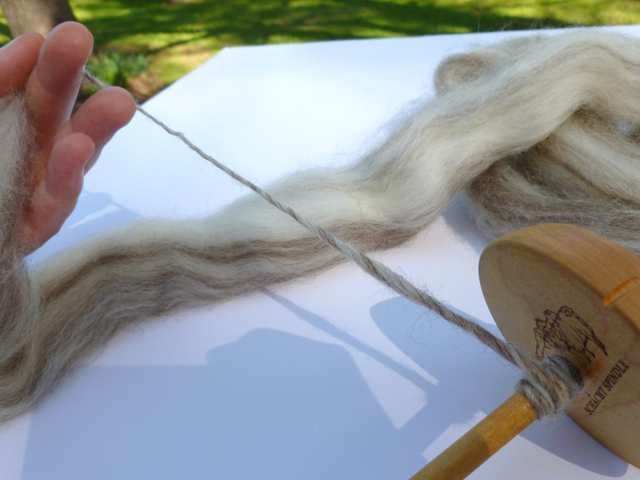
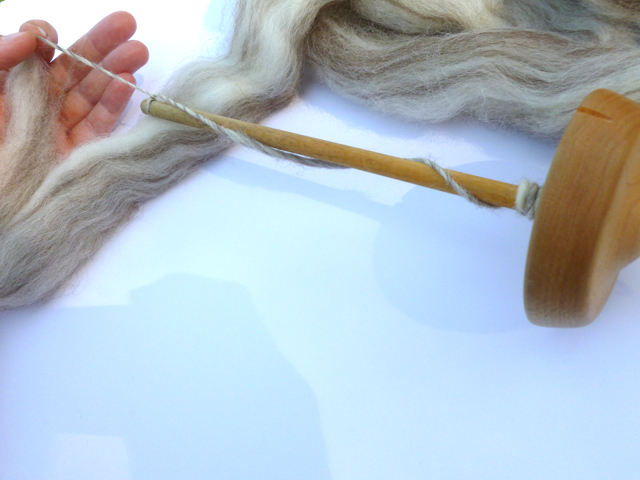
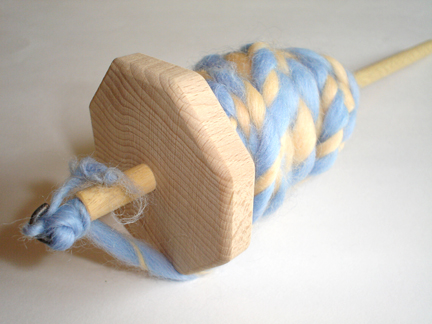
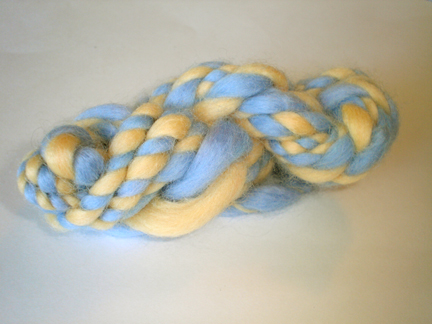
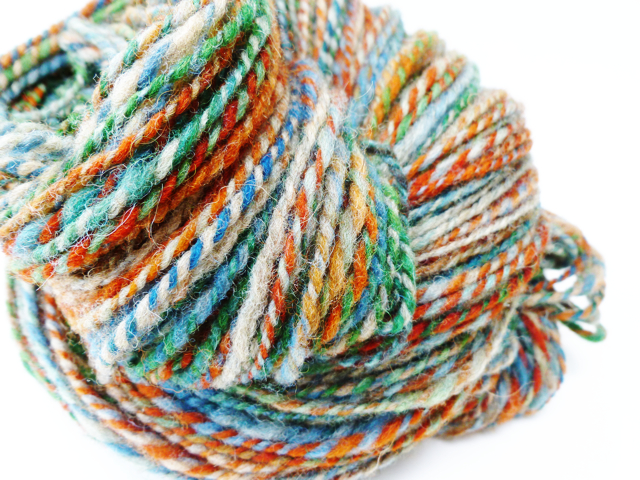
Another day, another skein for Tour de Fleece. This skein counts as number four on the Tour and, while it’s just a simple 2-ply, there’s something special about it. When I start spinning a new project I’m usually at home with a collection of books for reference and the internet to come to my rescue if I need it. This time was different since last Thursday night, I packed up a spindle and some fiber with my usual luggage for a road trip to visit friends. We talked, baked brownies, watched an Italian horror film from the 60’s that was so bad it was good, and generally had a good time. I also started spinning  this yarn. It was just me and the fiber. No books. No open laptop. Just me. You know what happened? I made yarn with my own hands and my head and no frenetic last minute questions. Feels good even though the spindle did keep dropping. I didn’t finish the spinning and start plying until after I got back home but it’s still road trip yarn and a nice milestone. 
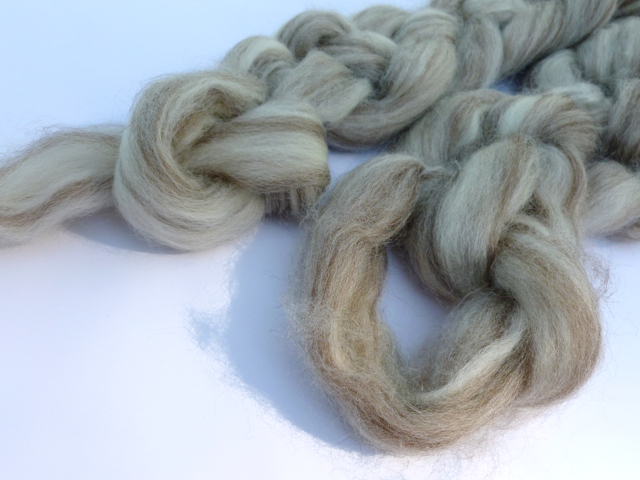
Spunky Eclectic Tan Corriedale Top - 4 oz. - Coxstand

Mostly Aran Weight 2-ply

264 yards

The Beast that is Tour de Fleece

Chez Strategos has been taken over by spinning. If I’m watching episodes of Psych via Netflix, I’m spinning. Taking a break between random chores, I’m spinning. Waiting on water boil, you guessed right, I’m spinning. I even packed a spindle and a few ounces of fiber to take with me on a road trip. Still don’t have around town spinning though so knitting still reigns supreme in my purse.  All the same, Tour de Fleece is the 800 pound gorilla in the room that keeps handing me spindles and great fiber. Can’t say that I mind.

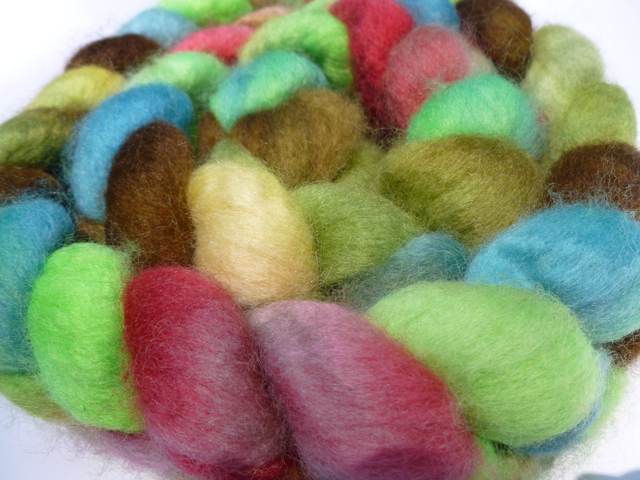
CosyMakes Falkland Roving - 4 oz. - Flabbergast

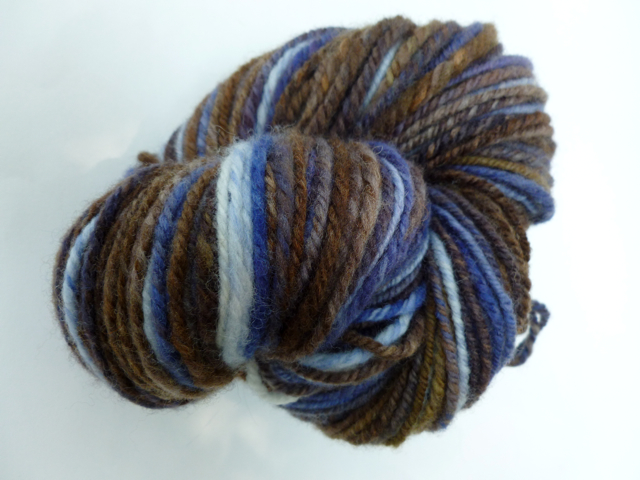
Blue Dog Fibers Bluefaced Leicester Top - 5.3 oz. - Rhonda

It’s really great having him around since I can take these lovely clumps of fiber and create actual yarn. Why, no, the novelty of the whole process hasn’t worn off. 

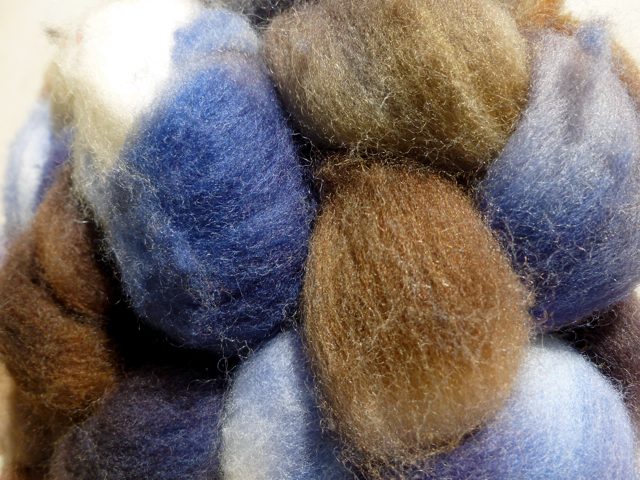
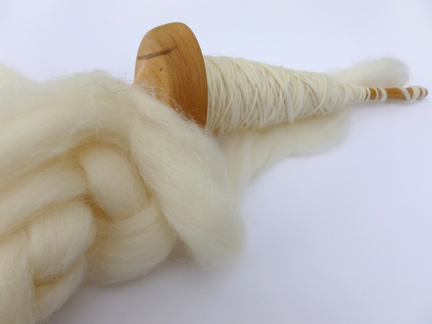
Flabbergast became the second skein of Tour de Fleece. I’ve had this roving in my stash for so long that it became this great precious thing that I couldn’t bear to mess up. Goal 4 for the Tour - Understand? Good. Play - is all about pulling out the good stuff and making yarn in spite of myself. When I unchained the roving, I noticed it had been dyed in a repeating pattern. I tore it lengthwise down the middle to preserve the repeat and set to spinning one long single to chain ply. The result is 150 yards of self-striping, aran-ish weight yarn. The Bearded One has already laid claim to it. 

Chain plying, aka Navajo plying, is great and definitely not as hard or scary as people seem to think it is. Just takes practice like everything else. I like this written, sans photo article and this video (done on a wheel but the process is still the same for a spindle).

Hello, Rhonda. This recent addition to my fiber stash became 368 yards of sport weight 2-ply yarn and my third Tour de Fleece skein. I really underestimated how long it would take to ply this yarn. The upside is that it gave me the chance to refine my plying process towards maximum efficiency. It involves rolling the spindle with my feet. Not as awkward as it sounds.
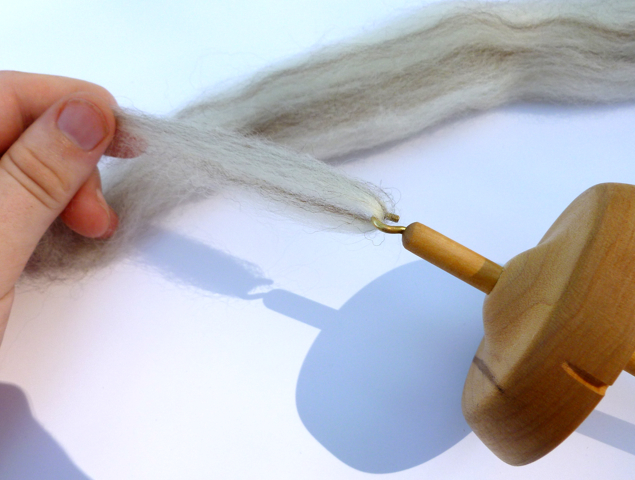
So far, Tour de Fleece is going quite well even though I probably won’t meet all of my goals during the Tour’s last week. I’m going to miss that gorilla.

Spinning Batts

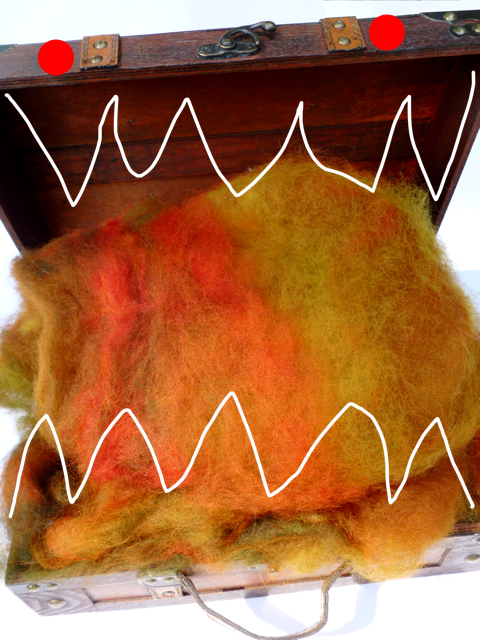
Once I pulled this batt out of the envelope and decided it was good, my second thought was that it was larger than my head. Then, how am I supposed to make this into yarn? For all I knew it might as well have been a monster waiting for my to let down my guard so it could eat me. 

Since Tour de Fleece waits for no spinner, I went looking for tutorials on spinning from batts and the internet came to my rescue. 

How to Spin from Batts by Vampy

The post lists five different ways to prep batts for spinning with clear photos and written instructions.

How to Spin a Batt from the Knit Girllls

This video covers four ways to spin from a batt. The yarn is being made on a spinning wheel but the prep still applies for a spindle. 

A Batt? What’s that? by St Seraphina Knits

Another informative video but this covers how to open the packaged batt and focuses on tearing the batt into strips for easy spinning.

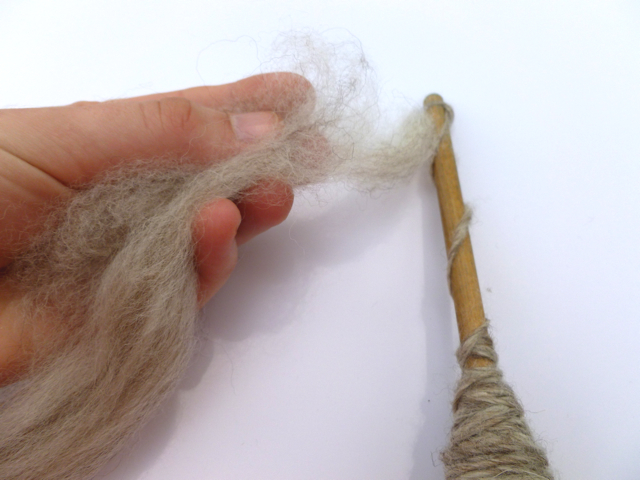
Eventually, I decided to tear the batt into strips and pre-drafted the fibers down to a manageable size. After all the uncertainty, this seemed like cheating since the prep work was so easy and nothing to fear. Now I want to get more batts and experiment with different prep methods. 
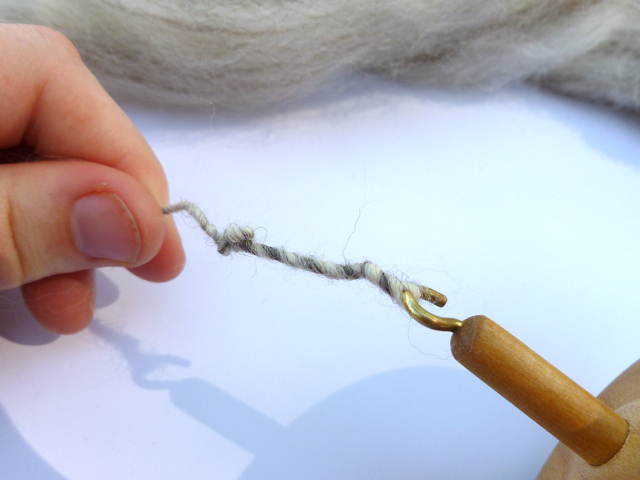
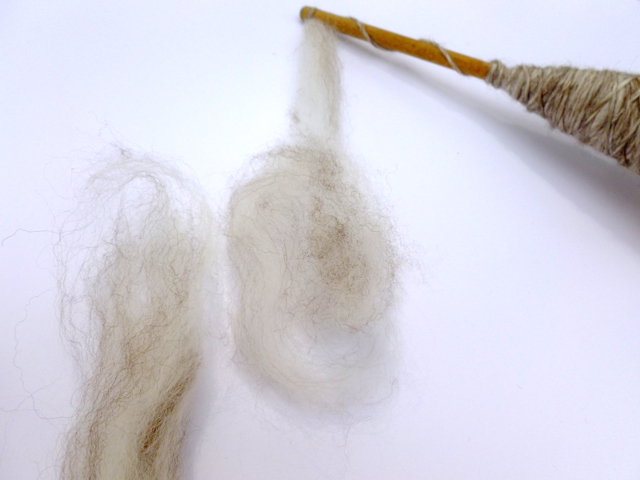
Now that the monster had been tamed, it was time to spin and it was no harder than working from roving. If only the single didn’t look like upchucked bodily fluids.  Any suggestions for what to do with 3.5 oz of fiber that you don’t want to spin anymore?
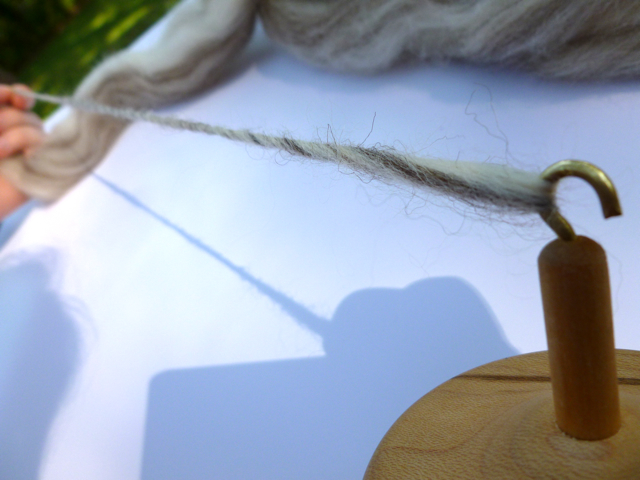
The First Skein

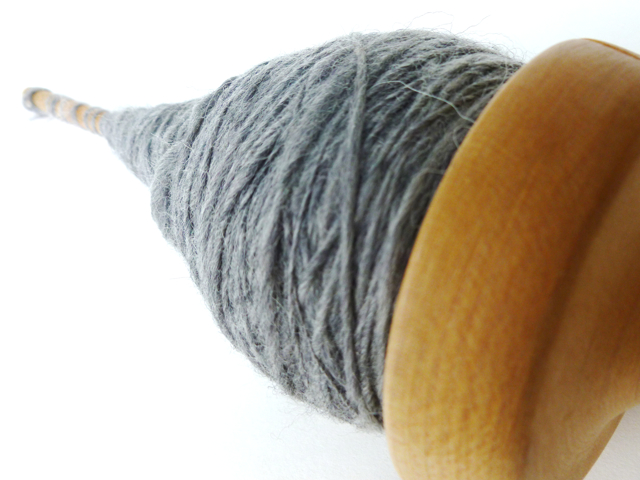
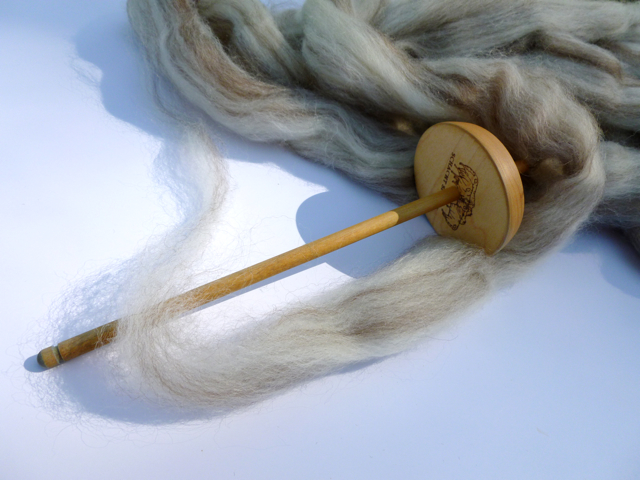
It was Friday afternoon and my latest skein of yarn was dry and sitting pretty. All my spindles were empty which was something I could no longer abide. So I sifted through my fiber stash - it’s not big enough for me to dig through, yet - and found some lovely grey top. Once it was split into eighths, I got started. Then Tour de Fleece happened. I set my goals, found Le Tour de France on television, and kept spinning.
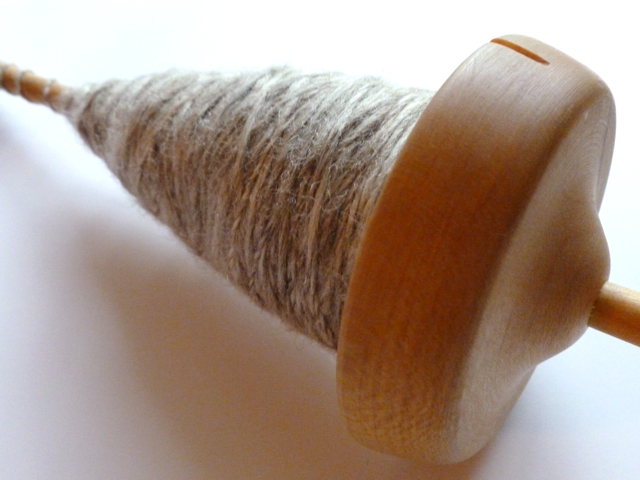
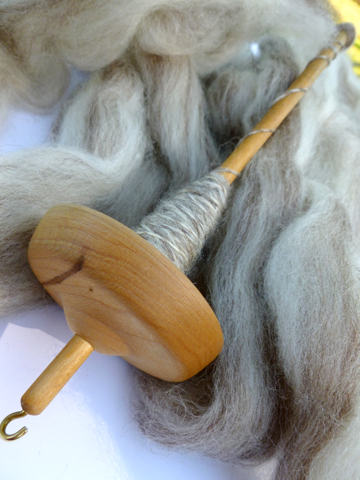
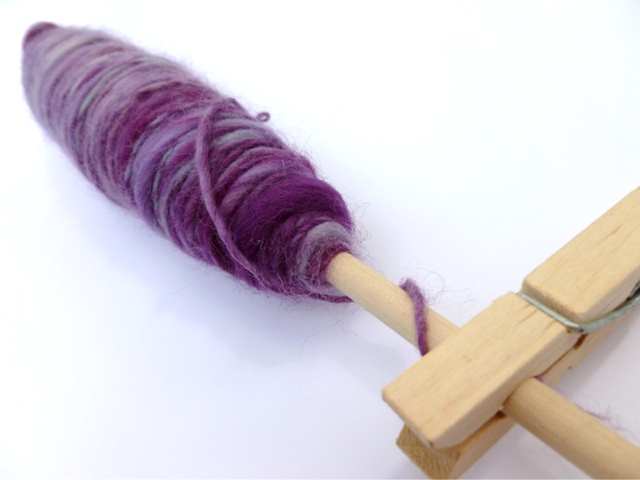
Signing up for the tour flipped a switch in my head. I joined because I wanted expand my skills and challenge my complacency. First on the list, how I wind my singles/yarn on the spindle. Lately, I’ve fallen into a cone shape because my attempts at a beehive always fell short. Not this time. This cop was one of the most voluptuous I’ve ever made. The trick is too start wrapping next to the whorl and build out the diameter of the cop faster than the length.  

Besides from being pretty, I was surprised how much of a difference the beehive cop made to my spinning. Not only was I able to store more yarn on the spindle, but the singles didn’t shift up the shaft    and into the working, twisting section above the hook. The larger the cop’s diameter became, the larger the moment of inertia, and the longer the spindle would spin. I could focus more on my drafting and less on keeping things moving.

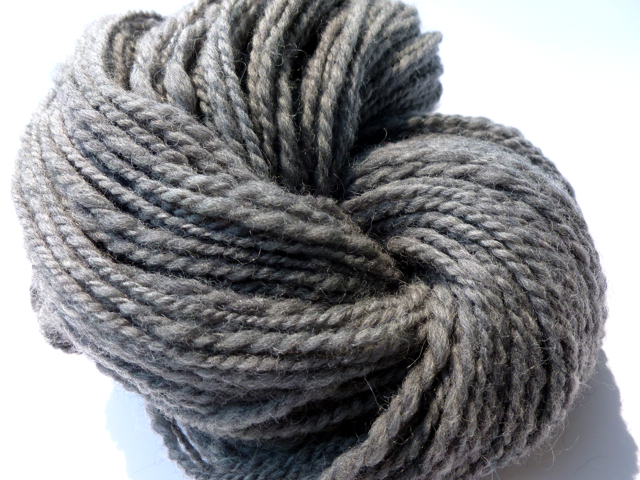
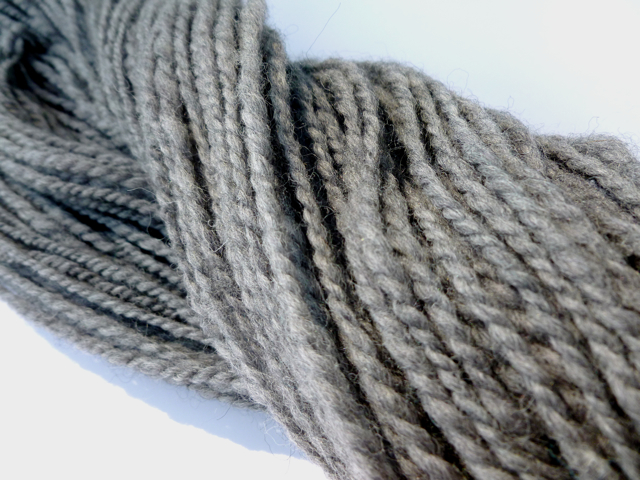
The result is a single 336 yards long that I plied back on itself to make 168 yards of worsted-ish weight 2-ply yarn. It’s already whispering that it wants to be a pair of socks when it grows up. It’ll need a buddy though for the heels and toes.

The Numbers thus far:

1 Skein

168 yards

As far as goals go, I’ve figured out to wind better cops/learn new skills,started spinning all the things, and made some new yarn. Tour de Fleece is off to a strong start.

Tour de Fleece 2012

Tour de Fleece, the annual spin - along to the Tour de France, has been in the back of my head for a couple of months. I kept hearing about it every few weeks and kept not deciding whether or not to join. Turns out, today, June 30th, is the first day of Tour de France and the Tour de Fleece. I thought I was out of the running this year until I checked the mail.

Waiting for me was a 4 oz. Spinner’s Hill Batt aptly named Garden Vegetable. I’ve never spun or even bought a batt before, so I wasn’t sure what to expect. Honestly, I was thrown for a complete loop. What am I supposed to do with this thing?

It’s huge and fluffy, and almost the size of my cat. (He’s also very fluffy by the way.) I’ve never tried to spin from anything like this before. Since the Tour de Fleece is all about challenging yourself and spinning yarn, I’m in. 

I might be going a bit overboard on my goals/challenges the first time around but why not? Whether I meet them all or not, I still be better than when I started.

  1. Learn new skills. I still pretty new to the whole spinning yarn thing and there is so much to learn and experiment with, and refine. This means that some days I might just watch tutorials and read articles. Then, the next day is all practice, practice, practice.
  2. Try new fibers. Till now, I’ve been spinning with nondescript wool, Bluefaced Leicester, and a little bit of Polworth. In my stash, there’s Corriedale, Faulkland, Alpaca Blends, and Silk Mawatas. It’s time to branch out.
  3. Expand my toolset. I’ve got a few heavier spindles, a niddy-noddy, a knitted plying ball, and a few dowels I’m using as bobbins. Turns out, I’m actually serious about this whole spinning thing,  so it’s time for a few more tools - a WPI gauge and a lighter spindle, for example. Any suggestions?
  4. Understand? Good. Play! I’ve spun a lot of the past few months and I’m light years ahead of where I was in March but I’m still afraid to pull out the good, hand dyed stuff because I might mess it up. Time to nip that in the bud, pull out the good stuff, and make some yarn.

How To Ply Yarn

...or Process Part 5 of Spinning Yarn on a Spindle. Part 1. Part 2. Part 3. Part 4.

| - | - | - | - |

After how much time it took my hands to learn how to draft fiber and flick a spindle, plying yarn seemed like such a simple thing. Put two or more singles together (or one single that’s been doubled or tripled) and spin them together counter-clockwise to make one intertwined strand. That’s it. The only thing I had to think about was how much twist to add. It seemed so much simpler than spinning up the singles but I knew there was more to it. At the same, I wasn’t worried about the details because I knew I’d figure them out eventually.

So, if you’re worried about ruining your singles, just jump in and go for it. As long as you ply opposite the singles and add enough twist, you’re golden.  

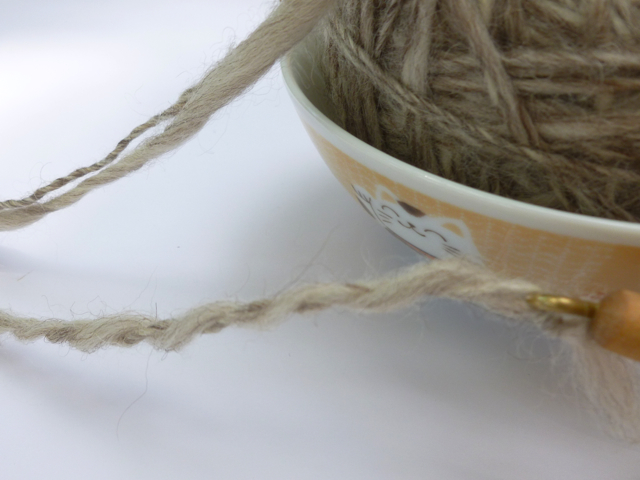
A spindle, 2-ply plying ball, and a bowl for wrangling.

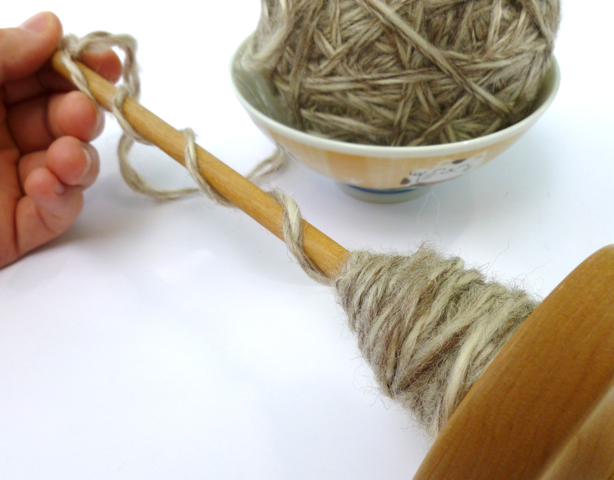
Tie the singles together in a knot. If you’re using a top whorl spindle, slip the hook between the plies. For a bottom whorl, tie the singles around the shaft.

Flick the spindle counter-clockwise to add twist since singles are typically spun clockwise.

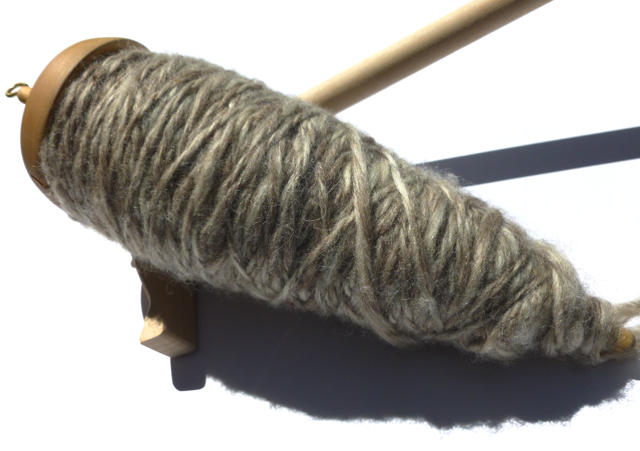
Once there’s at least an arm’s length of yarn and you’re happy with the amount of twist, wrap the yarn around the shaft. Bring the yarn back around to the hook or tie a slip knot and leave just yarn enough free to get the spindle going again. 

Repeat until you have one very full spindle and all the singles are plied. Woot!

To get your new yarn off the spindle and into a skein, you can wrap the yarn around your arm from palm to wrist or use a niddy noddy. Add a few ties around the skein to keep it from tangling.

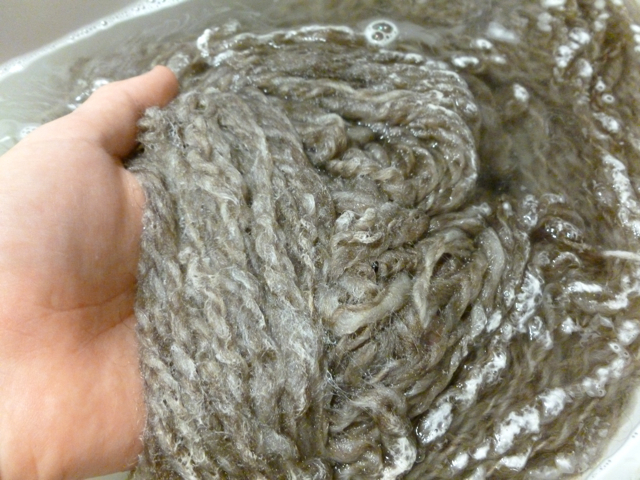
Wash the skein to set the twist (I like Eucalan for this part) and hang it up to dry after a few good thwacks.  In this case, a thwack is pulling at both ends of the skein to make the fibers bloom and even out the twist. You don’t have to be about it gentle either. 

Ready to knit.

Now that I’ve gotten a little more practice under my belt, I’m beginning to see more of the nuances of plying. I’m refining my technique and experimenting with different methods (chain plying, anyone?). I’m making yarn that I love and can’t wait to knit with once I find that perfect pattern. This never would have happened I hadn’t thrown caution to the wind, and just tried in the first place. The first skein isn’t perfect but it’s still yarn and a first step.

How to Wind a Plying Ball

Plying Ball.jpeg

...or Process Part 4 of Spinning Yarn on a Spindle. Part 1. Part 2. Part 3.

| - | - | - | - |

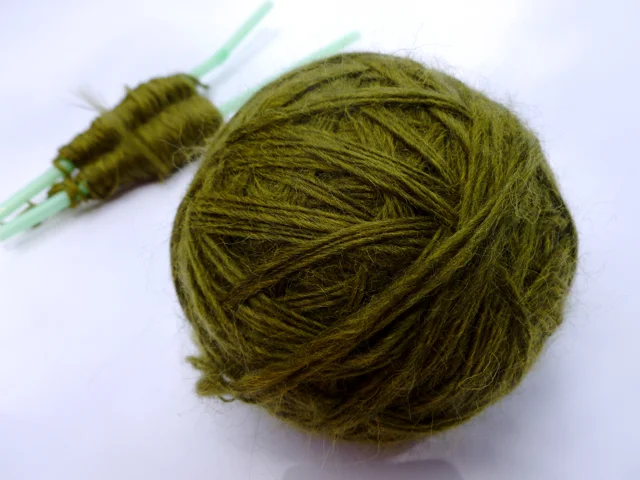
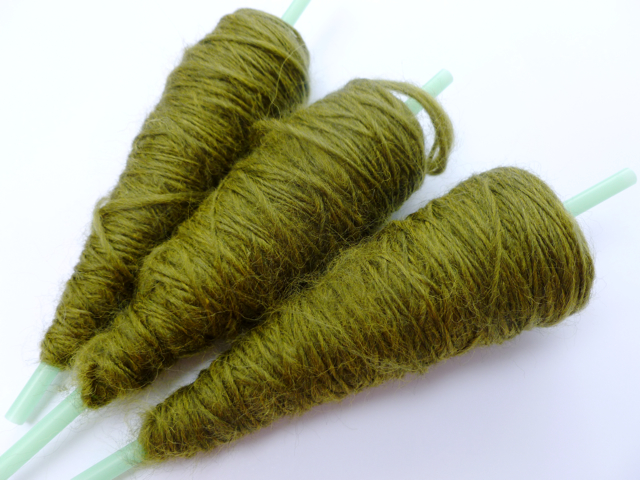
I have finally finished plying all three singles for my little experiment making a 3-ply yarn. The first single flew off my spindle. The second single ate all my mojo. The third single brought back my mojo with some to spare. I used a smaller spindle that weighs just over an ounce and is just the right size to slide the cop - the mass of single or plied yarn wrapped around the shaft - off to a straw.

It’s really funny how quickly a new tool can change a process. My first favorite spindle weighs 2.2 oz and has a shaft too large to slide a straw over. Every time I finished a single, I’d let it rest overnight and then wind the single onto a small dowel (a ball would work too). It’s more time consuming but worth the effort to get an empty spindle.

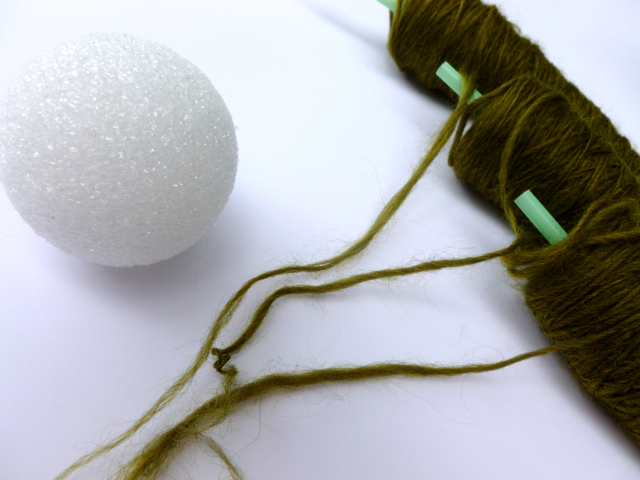
Trying to ply three separate singles from three separate straws is just a recipe for disaster but all three plies on a single ball is much more manageable. This method also works well with two singles but I’d hesitate to wrap more than four since it would be harder to keep all the strands evenly tensioned. Also, just wrapping a single around a ball would be a nice way to store it for later since the ball is an easy and tangle free way to start wrapping. 

I’m using a styrofoam ball since I have them on hand but tennis balls and felted beads work too.

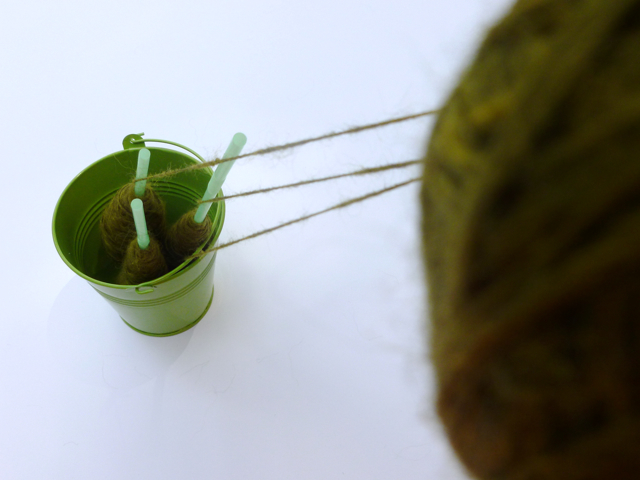
Gather up all your ends and start wrapping. A pail or box will keep the singles from running off to the four corners of the world. 

Keep wrapping until you come to the end of a single and cut the rest to match. If you have extra like I do, you can wind them onto another ball to make a cute little mini skein. 

Next up, plying!

Inspiration

Spinning blogs are slowly taking over my RSS reader post by post. Thankfully, they play nice with all the knitting, art, comics, recipes, cute animal photos, quick laughs, and architectural glamour shots that also clamor for my attention.

I’ve given up on the idea of visiting Reader everyday and knocking the unread count down to 0. With the current count at 909 items that is never going to happen short of just marking all as read. Instead, I’ve been just been reading and taking the time to enjoy good posts and good photos without worrying about the X number of blogs to read today. It freed up my mind to be inspired by and act on the things I saw instead of just filing ideas away for later. 

I read this post by the Yarn Harlot where she writes about tearing roving apart between color repeats to make self striping yarn. It totally blew my mind because I had never thought about using roving that way. So, I had to try it out. Photos will be forthcoming. 

On a new to me blog, Weekend Knitter, I read a post about the author knitting with some of her hand spun 3-ply. She described the yarn as plump and full. I’ve spun a lot of 2-ply but no 3-ply yarn and I wanted to try it out. Does 3-ply knit up differently than a 2-ply? How would processing the roving be different than for a 2-ply? How much longer would it take to spin a 3-ply?

So, I took the plunge. 3.5 oz of combed top was separated into 3 equal parts and those 3 parts were divided lengthwise 4 more times. Then a bit of pre-drafting was in order for a thinner single. The only thing that changed in the processing was how I split the roving and a greater amount of pre-drafting (aiming for a worsted or heavy worsted weight yarn). 

I’ve just finished spinning the second single and it’s taken a bit longer than spinning for a 2-ply. Is it because I’m spinning finer singles on a lighter spindle? Maybe. Probably. Only more experimentation will tell.  

Fixing Breaks and Making Joins

...or Process Part 3 of Spinning Yarn on a Spindle. Part 1. Part 2

There are days when spinning comes easy. I can pick up the spindle and find my rhythm immediately. Yarn just seems to spring from my fingers and all I have to do is wind it on the spindle before things touch the ground. The only time I have to make a join is when I need more fiber. I’m in the zone. 

Then are days where the spindle drops every 30 seconds and I’ve got a pile of loose, under spun fiber that couldn’t hold a paperclip off the ground. Bah. Once I get so frustrated that I want to jumble up everything into a giant felted ball, I put the spindle down and walk away. Better to calmly fix something the next day than rip it to shreds in frustration. Thankfully, fixing breaks isn’t a difficult, drawn out process.

| - | - | - | - |

When it’s time for more fiber, fan out the end of the fiber coming off the spindle and the end of the new fiber.

Overlap the two ends by about 3” and start drafting and adding twist. If you just add twist without drafting the join will be lumpy and bulkier than the surrounding single.

Keep spinning and keep joining and, soon enough, you’ll have a full spindle. 

| - | - | - | - |

Joining new fiber and fixing a broken single on a spindle are, essentially, the same process. Usually, a single breaks because there isn’t enough twist to hold it together. The ends won’t immediately untwist and become a frazzled mess but they won’t always salvageable. Sometimes, you just have to pull out the weak parts and get back to business. When joining two ends of single back together, just overlap the ends by about 6 to 12” and add more twist. Wind the join onto the spindle and keep going. That’s all there is to it.

If you have a broken single and need to join it a bit of un-spun fiber, draft out the fiber and overlap the two pieces by 12”. Wind yarn off the spindle to work with if need be. “Park and Draft” is your best friend here since it lets you slowly add twist and test the join to see if it holds. Plus, it might be more difficult to draft if the single was tightly spun. 

Good luck and don’t be afraid of a little practice.

How To Start Spinning Without A Leader

If this post could have a subtitle, it would be Process: Part 2. This series has taken a complete 180 from what I thought it was going to be. Take a few pretty photos of my process, write a few snippets, wax poetic about the whole thing, and put it on the blog. Turns out, I was making tutorials and didn’t even know it. I think this a lot better than my original idea.  

The first post in this series was all about how to prepare fiber (combed top in this case) for spinning. In this post I’m getting down to business of spinning, well, starting to spin yarn without a leader. I’ve used a leader in the past but there is something magical about making yarn out of thin air. Just add a bit of twist to some fiber and BAM! Yarn. Plus, drafting and spinning this short section of fiber helps me understand the characteristics of an individual batch of fiber which helps me spin better yarn.

| - | - | - | - |

The great thing about about starting without a leader, a length of already spun yarn that helps put twist in fiber at the beginning of the spinning process, is that you don’t need any extra material to pull it off. Also, if you’re a beginner and can get started without the leader, you’ll already have the basics of spinning under your belt.

To start, you’ll need a drop spindle - high or low whorl - with a hook and a bit of fiber. 

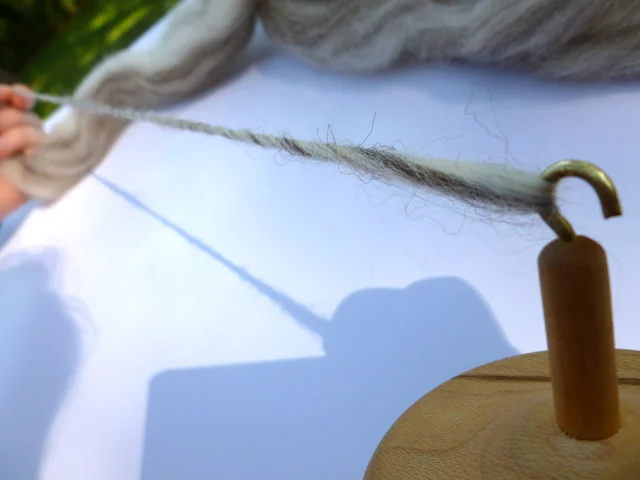
Pick an end and slowly pull the fibers straight out bit by bit using both hands. One hand pulls and the other holds the top. The top between your hands should get thinner and longer. This is drafting.  You can draft out just a few inches now and start spinning, drafting as you go, or draft large sections now to make it easier to handle.

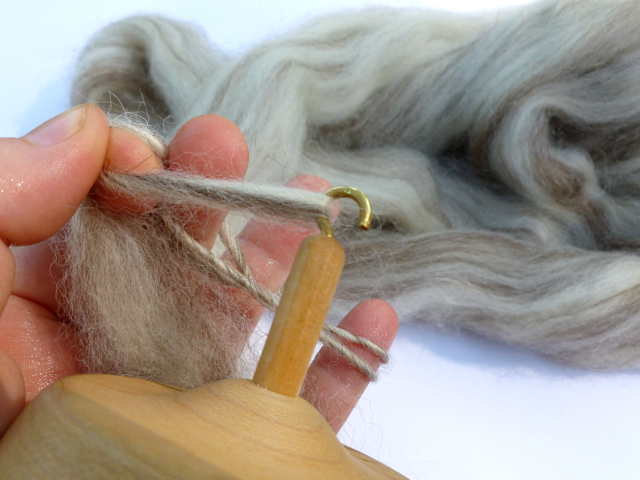
Once at least 6” have been drafted, it’s time to put the fiber on the spindle. Place the drafted fiber through the hook and fold back the first 2-3” to form a loop. Pinch the two ends together. When you pick the spindle up by the fiber, it should hang without falling.

Time for twist! Singles, un-plied yarn, are traditionally spun in a clockwise direction and plied together counter-clockwise. So, give your spindle a clockwise spin - rotating to the left - with your fingers. There should be so much twist that the fiber kinks up on itself. To keep the spindle from spinning back and removing all the twist, catch it in your hand and hold it between your thighs. 

Loosen your grip and slowly pull back the hand pinching the fiber to let the twist move into more and more of the drafted fiber. If the newly spun single starts to give out, give the spindle a few more turns to add more twist.

Once there’s 1 to 2’ of single on the spindle, wrap it around your pinching hand until you get back to the hook. Keeping your fingers pinched and the everything tight, carefully take the single off the hook.

Wrap the single around the shaft close to the whorl. A few wraps should keep everything in place. 

If spinning on a low whorl spindle, wrap the single around the shaft and tie it off with a half hitch or pass through a hook. For a high whorl spindle, just pull it up over the whorl so that it comes up behind and then through the hook.

All there is to do now to keep spinning, is repeat the process with both hands this time. Pinch. Twist. Draft. Pinch. Twist. Draft.

This video by Abby Franquemont and this one from TheArtofMegan.com really helped me get handle on the process. Of course, there’s no substitute for actual practice.

| - | - | - | - |

Up next in the Process Series, is joining fiber and fixing breaks.

Still Spinning!

This past weekend was the latest meeting for my favorite fiber guild. Once again, the meeting was worth getting up for at 8:15 on a Saturday morning. That’s one of the highest honors I can give. The topic this month was how to spin yarn on a drop spindle and I was so excited about it last month that I started early. So, I packed my spindle, some wool, and my finished yarn and headed over to the meeting.

The teacher had brought a few spindles from her collection and encouraged everyone to try them out.  I tried a few high whorl spindles and a few bottom whorls. I tried out light spindles and heavy spindles.    Part of the reason I went was try out different varieties of spindles and see if I actually liked what I liked. The verdict, low whorl spindles were and still are the way to go for me. I still like what I liked before so I came home with a few more. 

The one exception to the low whorl love is this wonderful high whorl that I couldn’t resist taking home with me. It’s the first high whorl spindle that I’ve actually liked. Plus, I can remove the whorl to pack it down for traveling. If only I could remember who made it. 

The second reason I went was to refine my technique a bit. Every single I’ve spun so far has been has been consistently worsted with a mix of really thin and really thick bits thrown in for good measure. When plied, the resulting yarn is bulky and wonderful but I want some variety. I don’t knit much with bulky yarn after all. The secret to thin singles and lighter yarn: a lighter spindle and a lot more prep work than I’ve been doing. My latest attempt is consistently thin and I might come up with a sport to worsted weight yarn this time. Let the plying begin!

What are your favorite ways to spin? Top whorl or bottom or wheel? Bulky yarn or fingering?    

How to Spin Yarn: Prepping Combed Top

I can haz process?

Picking up spinning again was a lot like any other skill I’m trying to learn. First, I find this thing that sounds really cool and I would like to try. Prime examples: knitting, kumihimo, temari, origami, and bookbinding. Second, I hit the internet and research tools, tutorials, and techniques for days, weeks, and even months before I decide to make something a priority. Third, gather supplies. Fourth, actually do something. Anything to just get started. 

If I like that brand new started something, I keep doing it. I figure out how and why it works. I start experimenting. I get comfortable. I develop a process of how to do this awesome something from start to finish. With spinning, the realization that I knew what I was doing and that I had a process hit me all at once. I was absolutely giddy.  

So, I’m sharing my process. I hope that it will help you get started, come up with one of your own or, if you already know how to spin, see your process as something amazing and worth celebrating. 

| - | - | - | - |

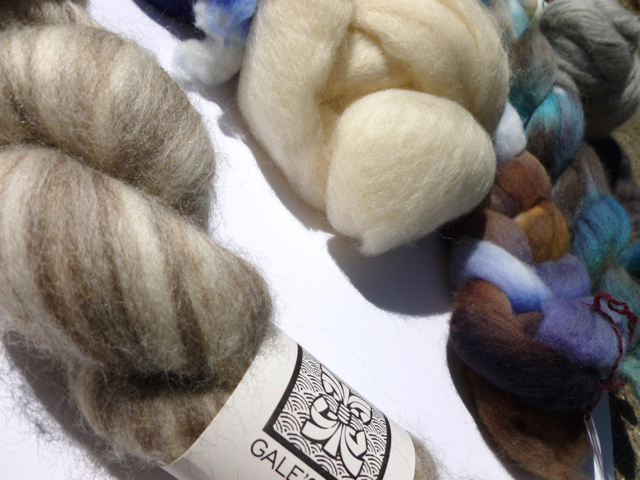
Step 1: Stash Diving. Since my first, short-lived attempt at spindle spinning, I’ve been buying fiber. Not much. Just enough to have something to choose from when I came back to the spindle. The stash has served me well in that regard. For this attempt, I picked out 4 oz. of Blue Face Swirl (Naked) from Gale’s Art.

Step 2: Inspection. This batch of fiber was twisted up like a skein of yarn. So, I opened it up just like a skein of yarn. Then I spread everything out and got a sense of the color distribution and how much 4 oz. of fiber actually looks like.

Step 3: Division. I didn’t pick out this fiber with any particular project in mind. I just wanted to try my hand at a 2-ply yarn. So, I split the entire length of combed top down the middle. 

Step 4: Wrangling. There’s a brief pause for a little “eeny, meeny, miny, moe” to decide which half to use first. The “not it” bit is crochet chained to keep it whole and safe until I need it. I take one end, make a loop, and tuck in the tail to make a big circle.

Next, pull a loop through the circle. Pull a new loop loosely through the last loop and continue. Eventually, all the roving is gathered up and easy to handle. At the end, I just pull the roving through the last loop to keep it together. This is the only bit of crochet I know.

That giant circle I made at the beginning? That’s how I know to work from the opposite end since a crochet chain can only be pulled out from the end and not the beginning. Just pull the tail out and and take apart the chain as you need it.

| - | - | - | - |

Next post, I’ll get back to the other half of the fiber and start spinning. 

Three Weeks

I’m still spinning yarn over here on mostly daily basis. Still spinning to spin, to catch a rhythm, to move my hands, to make yarn. Since I only have one spindle that I like to use, I wind the freshly spun single off onto to a dowel to free up the spindle. My singles get to rest and I get to keep spinning. It’s a win-win. Three weeks and I’ve covered all 13 of my dowels with half-finished yarn. Time to free up some storage space.

This bit of purple wool was the first thing I spun when I picked up the spindle again. So many questions were going through my head. How much yardage would I get? Should I ply it and should it be 2-ply or Navajo? I hadn’t the slightest idea what to do which worried me but eventually decided I’d figure it out later. Three weeks have gone by and the decision was no where near as stressful. It’s staying a single. No second thoughts about it.

Finally had a reason to dig out my niddy-noddy. It’s been wrapped in plastic for far too long.

While winding the first skein, I decided my second bit of spinning would get the single treatment too.

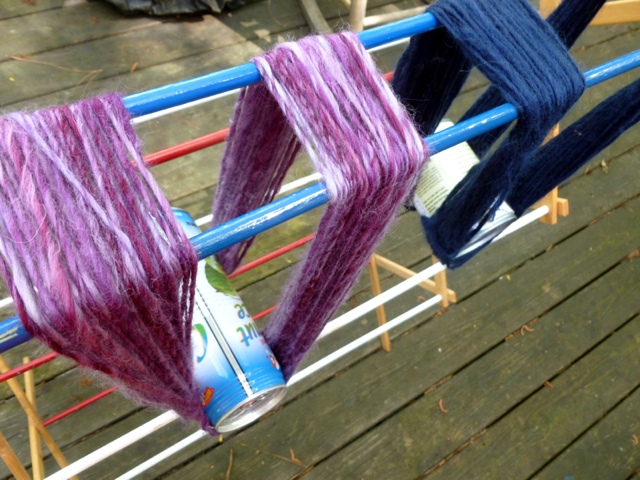
They both got their own bath and were set out to dry. A drying rack and cans of assorted coconut products “blocked” the yarn and helped balance the twist. 

I have a question. Does weighting yarn while it dries actually balance twist or just hide it until the yarn is knitted?

Dry! Finally! You have no idea how much I wanted to used a hair dryer to speed up the process. Also, the yarn is no longer doing its best “Z” impression. 

They’ve been a long time coming but these are my first two skeins since I picked up the spindle again. I’ve petted them. I’ve squeezed them. I’ve buried my face in them them and inhaled. That last bit probably made me look a bit crazy but I can’t be the only one that does that. Right? Someone, please tell me you do that too. If not, you should.

What I’m trying to say is that I don’t regret trying my hand at spindling and spending my time learning to spin. I love it. I want to keep doing it. I want to research and experiment and go wild. I want to keep making yarn and, occasionally, wearing it like a mustache. That’s just the kind of lady I am.

Pro Tips

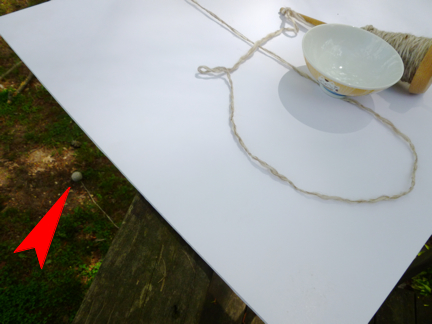
Good natural light can be hard to catch at Chez Strategos. So, I usually chasing it down in the yard with my camera and a handy sheet of foam board in tow. Sometimes I’m on the front porch. Sometimes the driveway. Never in the grass though since all the bugs have to have their 15 minutes of fame. These are all my fallback options though since the best light is usually on the far corner of the back porch. The foam board goes catty-corner on the railing and I get to shooting.  This generally goes off without a hitch. Until today.    

Today, I was plying some yarn and documenting the process. I had my ball of singles, a bowl to hold said ball, my spindle, a sheet of foam board, and the camera. Everything is going well. My spindle is filling up with luscious, freshly plied yarn and I was getting photos of the entire process. I took a photo and put down the camera on some freed singles. Then I start plying again. Ever so briefly I wondered what the singles were caught on before I looked down to see them helping the camera over the edge. 

I dropped the spindle to grab the camera.

Saved the camera but bumped into the board. 

The board and everything starts going over the side.

Grabbed the bowl.

Grabbed the board.

Grabbed the camera again. 

Lost the singles over the 10’ side.

Learn from my mistakes people. Wear the blasted camera from a strap around your neck. Also, photograph on the edge only as a last resort. These are your Pro Tips for the day.

20 Minutes

People, I have been spinning. At least 20 minutes everyday since the Monday before last and today is Day 11. I haven’t spun with a project in mind or even a plan but I do have a purpose. 

Practice. Learn. Just make yarn.

I’m not worrying about what to make with it or about the yardage I’m adding to my stash on a daily basis. Seriously, I haven’t even decided if I’m going to ply any of it or keep it as singles. I’m just spinning to spin. Building up a little muscle memory doesn’t hurt either.

Can I just say how powerful it is to do something everyday? It hasn’t even been two weeks and my spinning is more consistent and more comfortable. I can set the spindle turning and start drafting fiber. I don’t have to “park and draft” anymore. It was an amazing moment when that switch flipped over in my brain and it still is. I have more rhythm drafting and I’m not always fighting the twist. Less than two weeks and I’ve leveled up. It’s awesome. Makes me want to throw a daily 20 minutes at a few other things I’ve been meaning to get back to. Sketchbook and kettle bells, I’m looking at you. 

So, pick 20 minutes a day to spin, to draw, to knit, to write, to practice, to meditate, to workout even. Do something you’ve always wanted to try or something you want to get back to. Pretty soon, you’ll level up too and you won’t regret it. 

The Creative Spark

On the second Saturday of most every month, I head over to the Greater Birmingham Fiber Guild for our regular meetings. I know I’ve said it before and I probably will again but I love getting together with people who share this passion for fiber and art and knitting and making. It sets off this happy little creative spark in my brain. Plus, it’s just fun.

At this month’s meeting, we had a visit from the lovely Gale Evans of Gale’s Art and her also lovely fiber. The topic was fiber and handspun yarn. What can you use it for? Anything. What’s the best fiber to learn to spin with? Blue Faced Leicester was a favorite. How many yards can you get from 4 oz. of fiber? It depends on the weight and the spinner.

Along with the usual knitting in public component of the meetings, people also brought their wheels and were happily spinning along. There goes that creative spark.  

Besides from a variety of different wools, alpaca, and blends, Gale also brought a colorful bunch of silk hankies. I’d heard of silk hankies before and the fact that can actually knit straight from them but I didn’t give it much thought at the time. Just filed it away in my brain for later. It wasn’t until Gale demonstrated how to pull them apart, stretch them out, and cast on that my eyes got all big and round. Creative spark number two. 

Of course, I couldn’t leave without picking up a few supplies. How could I resist the silk, the colors, and a name like ‘Velvet Elvis’?

Next month’s meeting is going to focus on spinning yarn with a spindle and I am so excited. I’ve been meaning to get back to my spinning for months and this is just the push I needed. I’ve already started practicing. Creative spark number three.

Priorities?

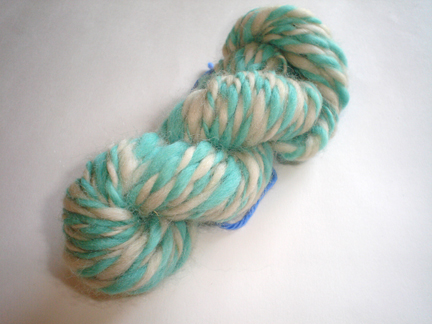
There's been a few changes here at Chez Strategos. The biggest change? I got a job. I officially started over a week ago and everything besides from eating, and falling asleep in front of the television slowly dropped off. I was so tired that didn't even feel like knitting once I got home after long days. Spinning? Reading? Drawing? Didn't happen at all. I just didn't have the energy to put into them. It seems like an age since I spun up this green and white beauty. Haven't picked up my spindle since. Bah.

Happily, I didn't have to go into work today and I'm catching up on everything from banal chores to belated birthday socks. There's a problem with this though. I don't want to play catch up and constantly worry about what's falling through the cracks. So, I'm munching through the leftover Halloween candy* and trying to figure out my top priorities. I've got this wild list going in my head of everything I want to do. Even when all of my time was my own, I could never cross everything off. It's definitely time to pare down to the important stuff. Still not sure how I'm going to do it. Any suggestions?

*Pomegranate Tootsie Pops are actually pretty good.

Recently...

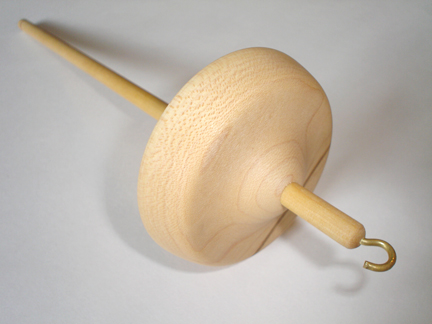
Over the past 2 weeks or so, I've been spending a fair amount of time with my new spindle, a 3" and 2.2 oz Schacht Hi-Lo. It's so much better than my old spindle and I'm really enjoying it. So far, my forays into spinning have included lots of youtube videos and two awesome books: Spinning in the Old Way by Priscilla Gibson-Roberts and Respect the Spindle by Abby Franquemont. Both cover spindle spinning and, while there is a bit of overlap, come at the subject from very different directions. I've been reading and referring to both of them a lot in the past few weeks and they've been very helpful.

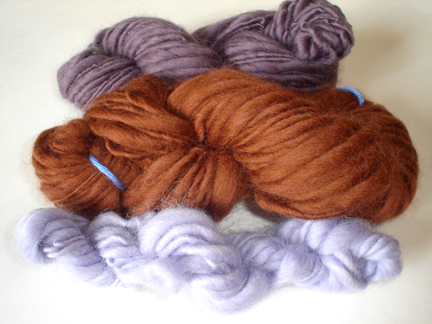
In Respect the Spindle, one of the tips, when trying to learn how to use a spindle, is to spend 15-30 minutes a day spinning. I've managed to stick with it pretty well and, at this point, I've spun about 140 yards. Most of it has been thick and thin singles which I'm totally in love with and completely in awe of. It's hard for me to believe that I made this awesome, mostly cushy stuff.  It's even usable and I've been racking my brain trying to come up with a way to use it. Especially that brown skein. It's 54 yards of awesome.

All this this practice spinning seems to working. My hands are better at drafting the fiber and my singles are much more consistent. I'm even moving beyond "park and draft" if only for a few seconds at a time. I can't wait to see how this will progress over the next 2 weeks.

A Long Time Ago...

 ...I caught the spinning bug. I got a book, a spindle, and some wool. I even managed to clumsily spin a pair of singles and ply them together. Unfortunately, school took over my free time so the spindle and the yarn went back into their box. I didn't even set the twist. I wish I could tell you how long ago that was but...I really don't know. Maybe it was 3 years. Maybe it was 4. I have no idea.

Recently, the spinning bug bit again and I remembered that poor, lonely bit of yarn wrapped around that spindle. I couldn't care less about the spindle but the yarn should definitely see the light of day. So, I skeined it, gave it a bath, a good twack, and let it dry. I ended up with 3 yards of yarn that ranges from bulky to far beyond super bulky. Seriously, parts of this yarn are thicker than my fingers.  

Maybe it's just because it's my first skein of handspun, but I find this yarn and all of its inconsistencies intolerably cute. I love to hold it in my hands and look at it from every angle noticing every detail. I look at it with wonder and think, "I made this." It just seems so right. I haven't had the feeling from knitting in awhile. I make a pair of socks and I think, "Woot! A new pair of socks. What next?" Making this yarn is different though. Still, I have to wonder how long this feeling with last. Not long enough in any case.