Wooly Mascot - 4KCBWday2

Coxstand.jpg

There are times when I hear about exciting things at the very last minute and decide to throw my plans (or planned posts) to the wind and do something new. The exciting thing this time was the 4th Knitting and Crochet Blog Week. I’ve seen and read this week over the past years and always wanted to participate but always forgot. Luckily, I found out on Day 1 and not Day 7 this year.
Flabbergast.jpg

The first day’s prompt was about picking a house Hogwarts style. The Bee’s are always busy. The Manatee’s are cozy. The Monkey’s want to learn. The Peacocks like to strut their stuff. I am definitely in the House of Bee. I knit a lot as the 282 projects on my Ravelry page will testify and always have several projects on the needles at one time. When I was first learning to knit House of Monkey would have been the place for me. Still is depending on the day. I want to learn but not every project I knit teaches me something new. Sometimes I want the finished project more than I want to practice a new technique.
SkeinedYarn.jpg

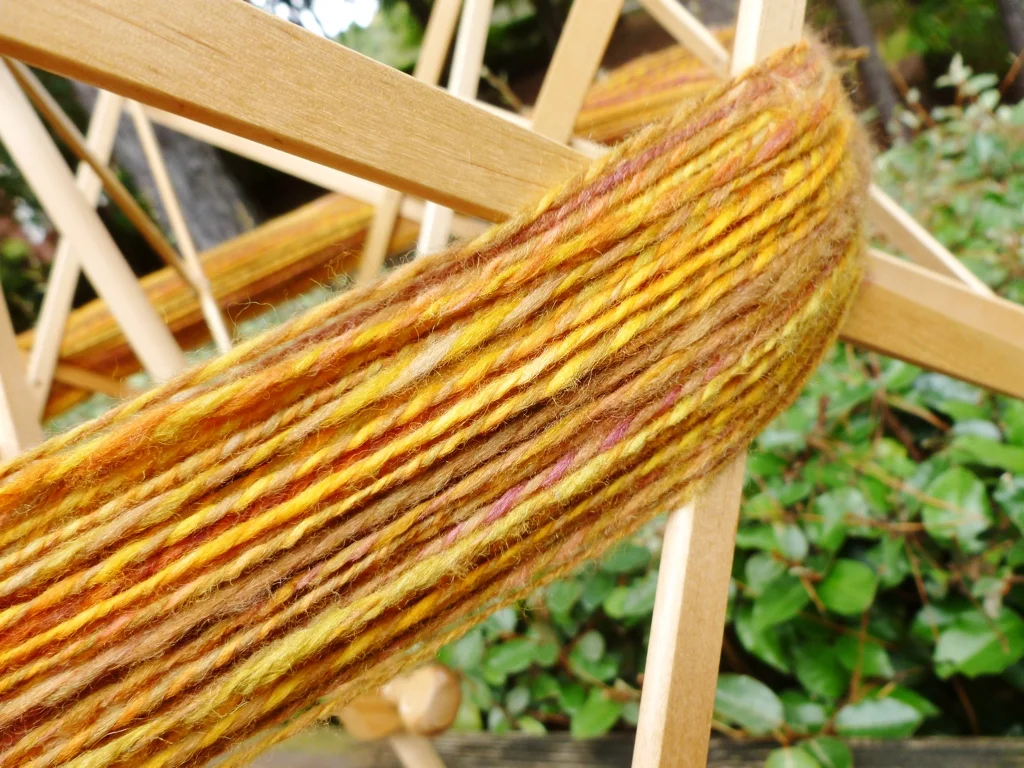
I don’t think the two Houses have to be mutually exclusive though. True, I do have a lot of projects on the needles and a lot of fiber on the spindles. I switch between them at the drop of a hat. Also true is that I like to learn. What joins my love of learning and all of the half finished projects is a sense of play. When I’m making something, I try not to take myself too seriously. I don’t always succeed but that’s mostly after ripping out something 5+ times. Knitting, crochet, spinning, and generally making stuff is the easiest way for me to play and have fun. 
Optim.jpg

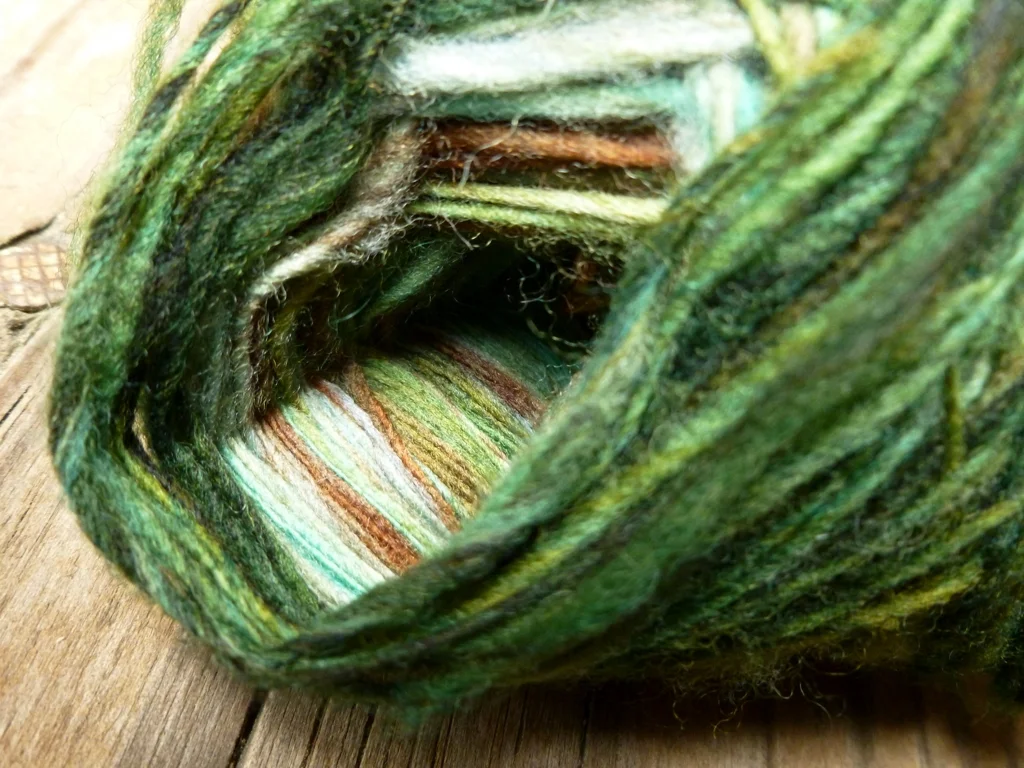
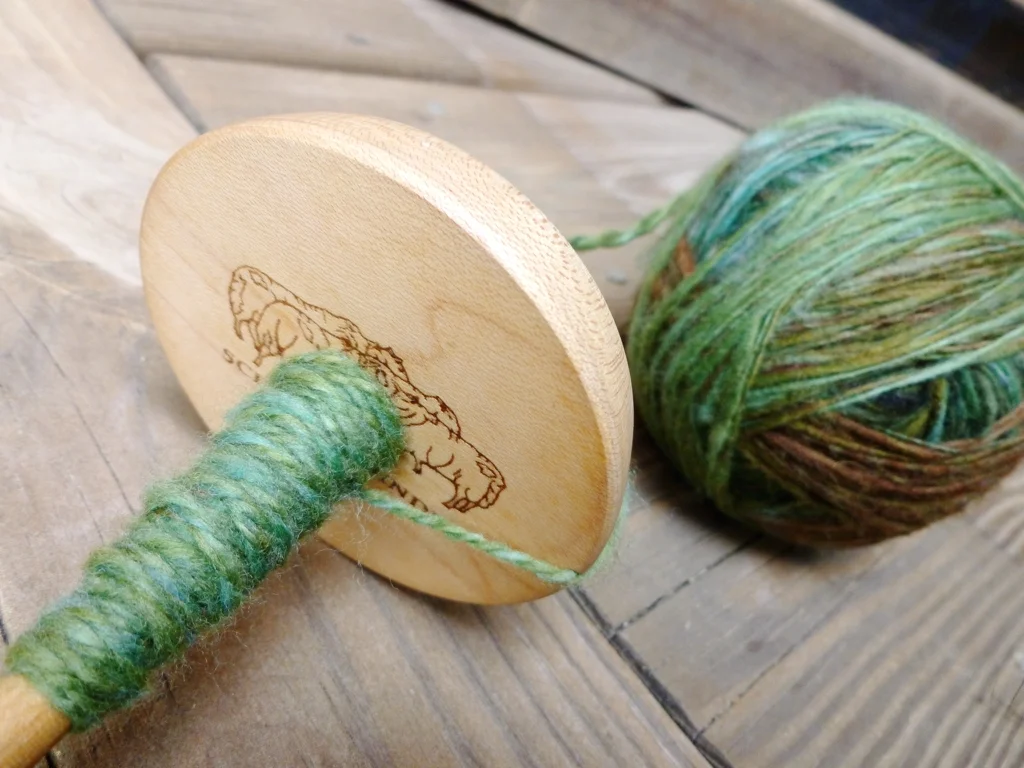
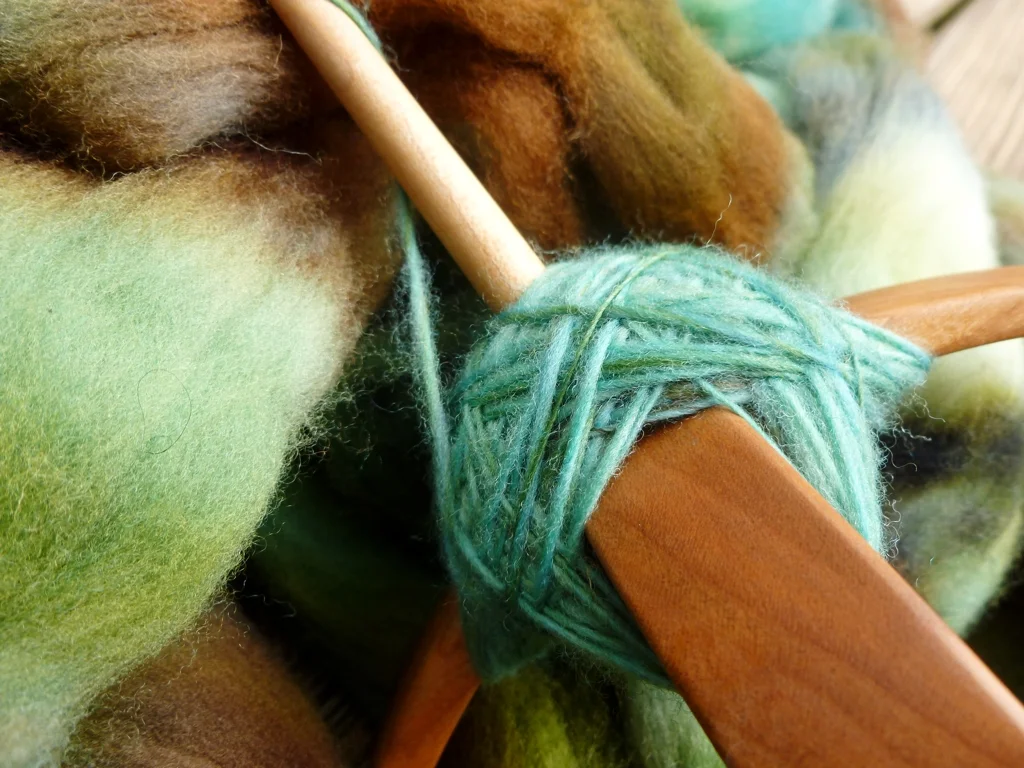
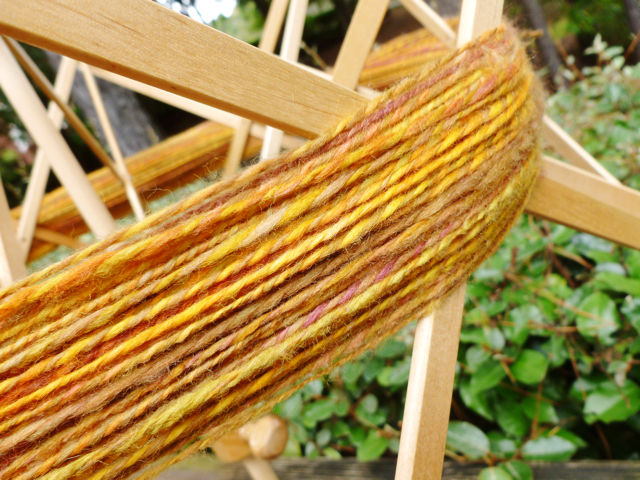
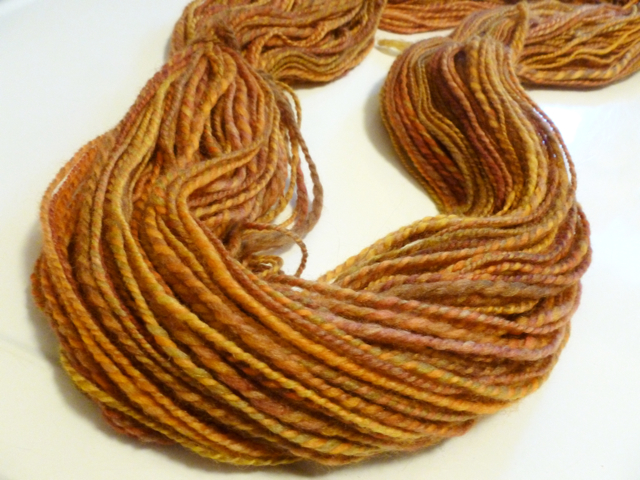
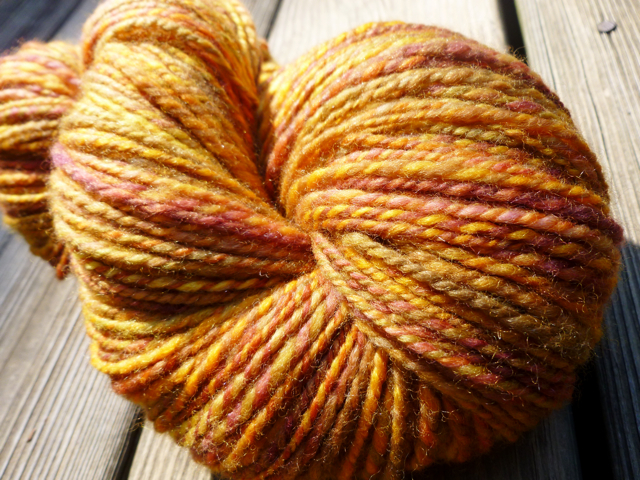
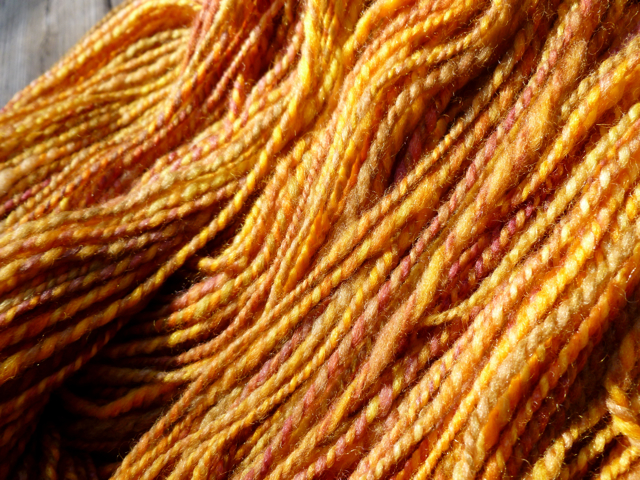
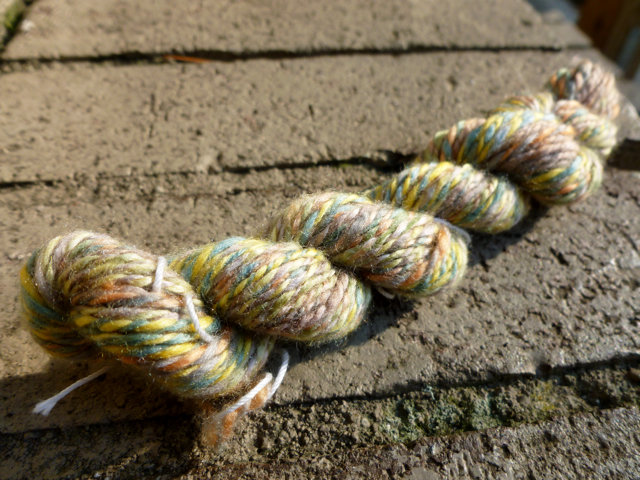
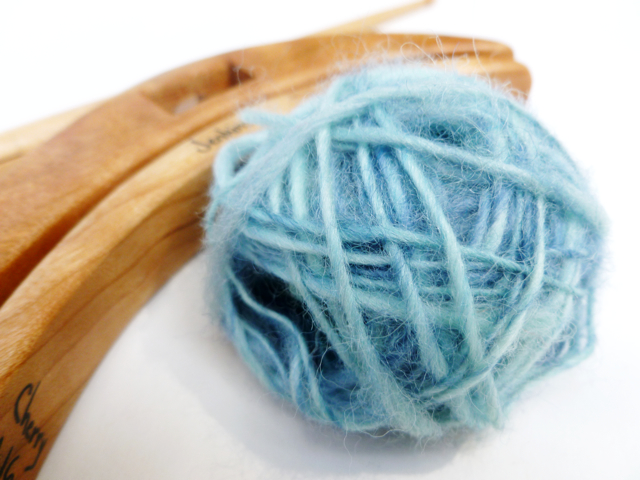
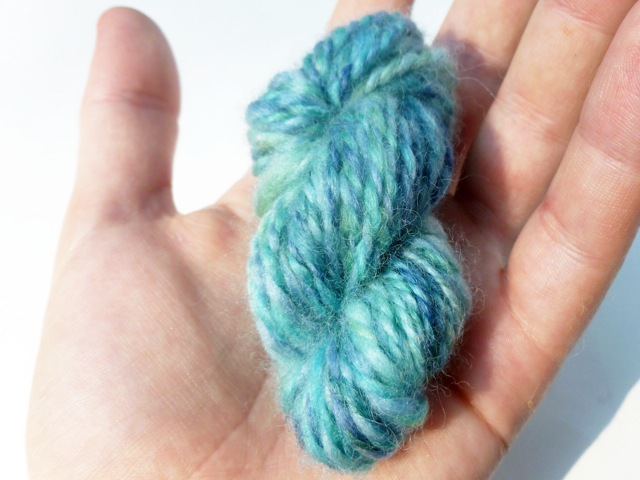
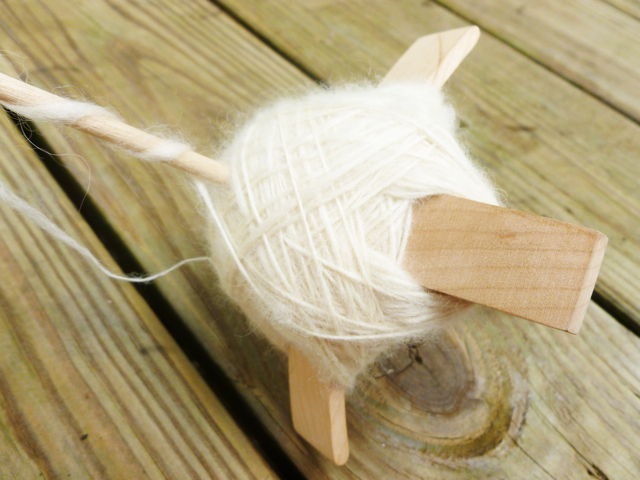
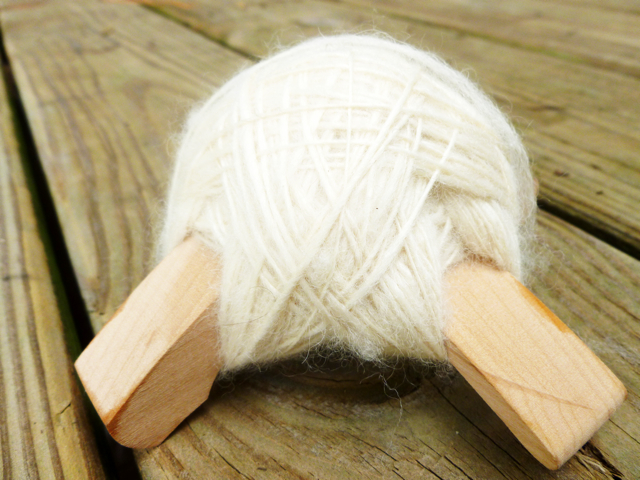
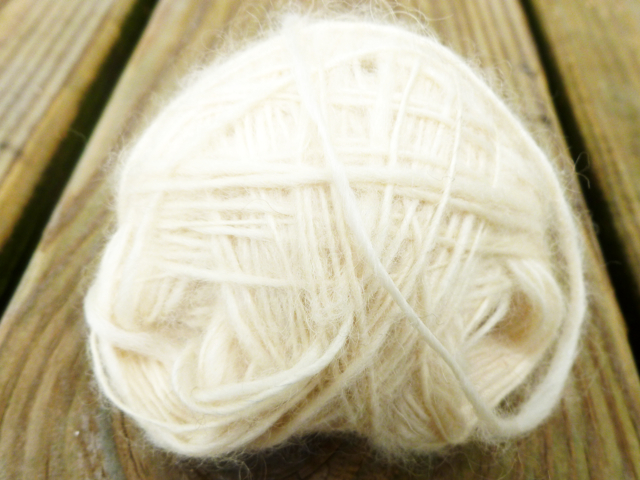
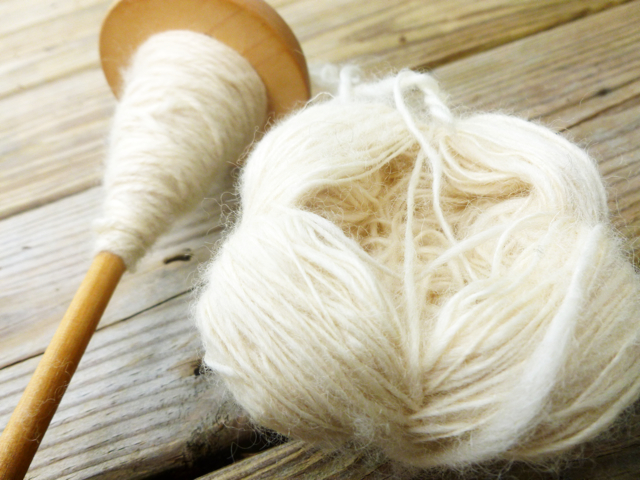
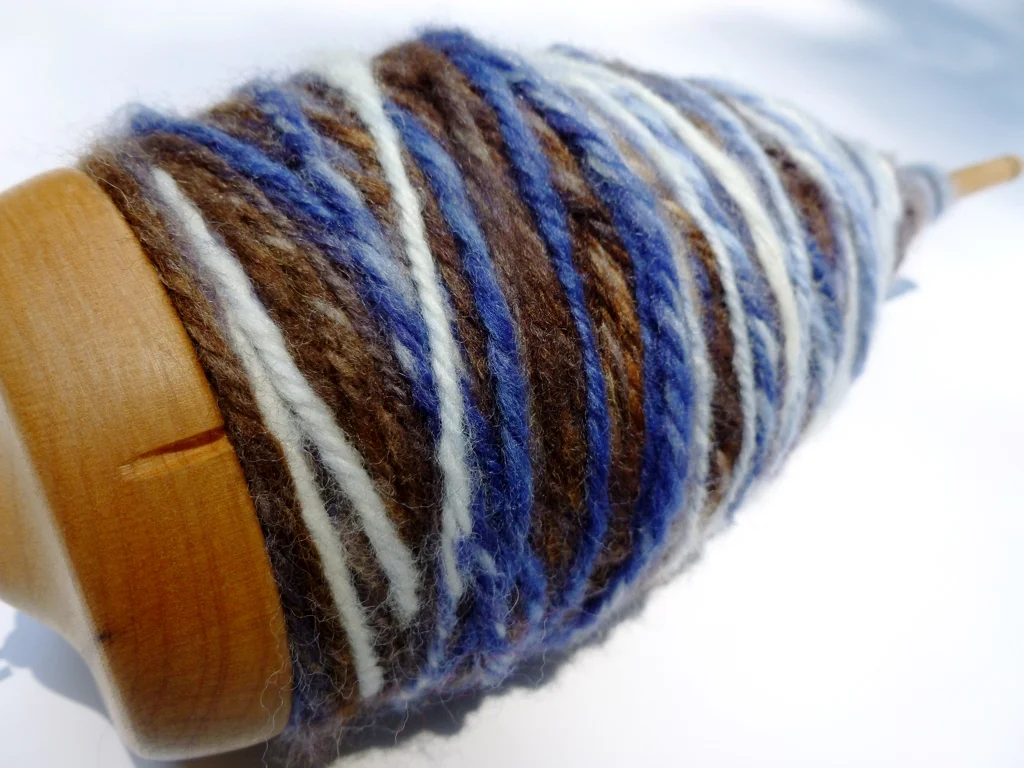
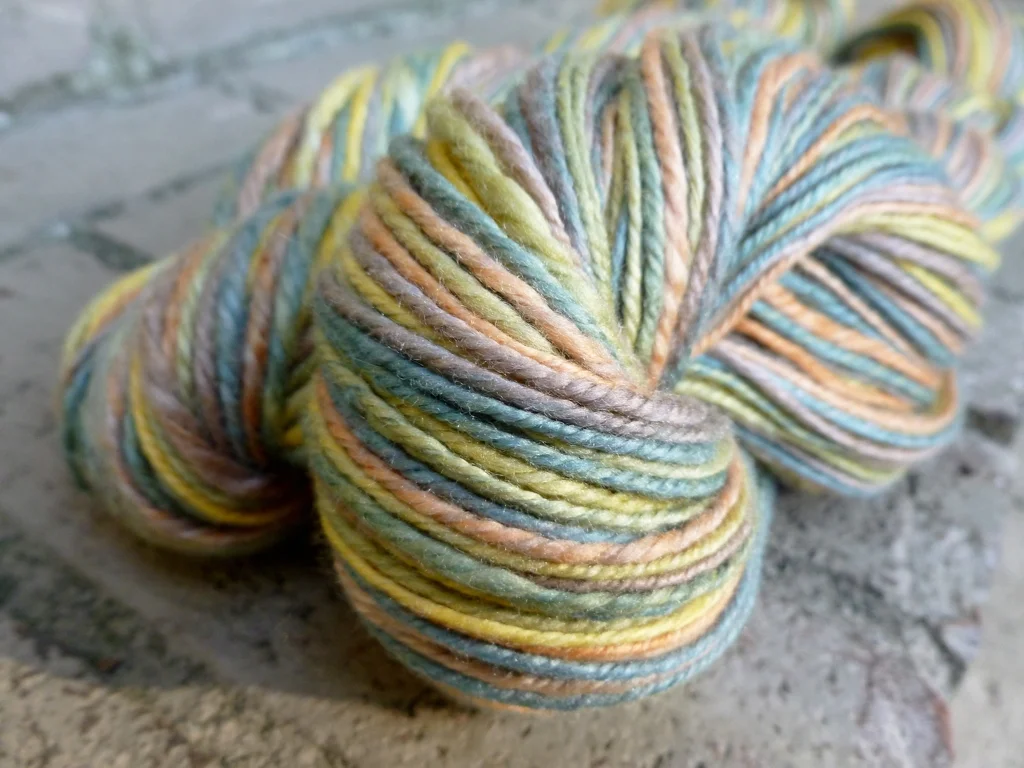
Spinning is king right now for giving me a way for me to play, to learn, and to start just one more project. It’s no surprise that my mascot is my own handspun yarn. Feeling the wool (or silk or alpaca) moving through my fingers is fun. Putting twist into fiber and plying singles is all play even if it is difficult. After a year, I’m still new to spinning and there’s so much more to learn. No matter how much yarn is on the needles I can’t resist making more yarn with my spindles. Making handspun is amazing and, at the end of the process, I can knit with it too. Then the cycle begins again. 

Spinning Targhee

SpinningTarghee9.jpg

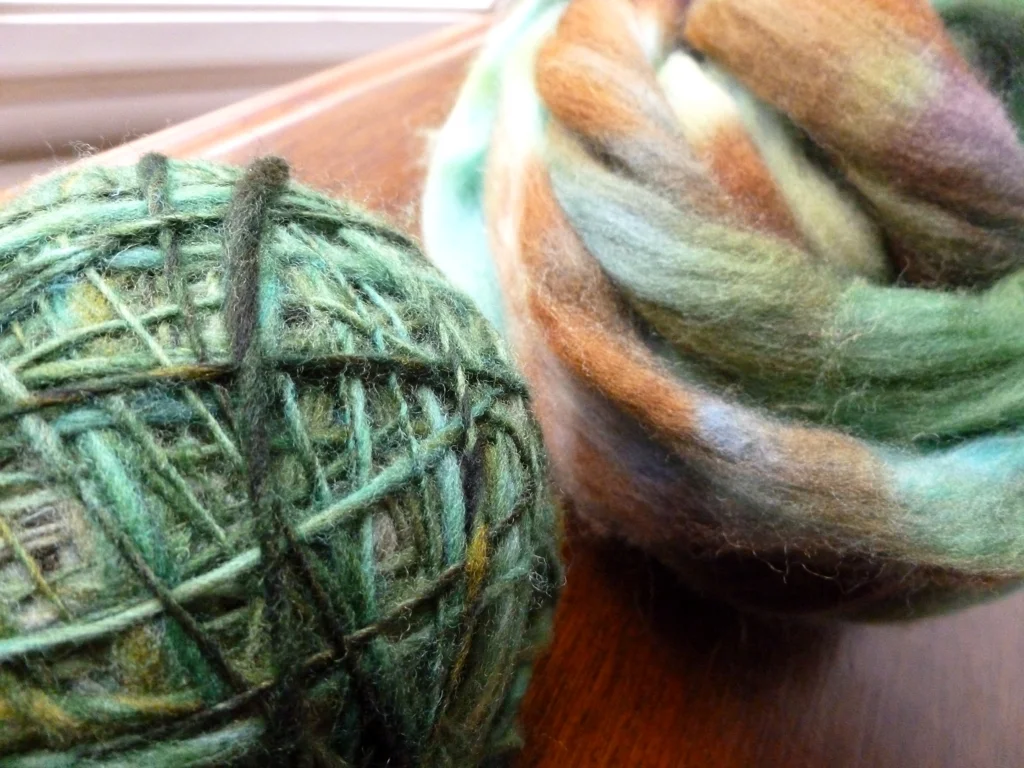
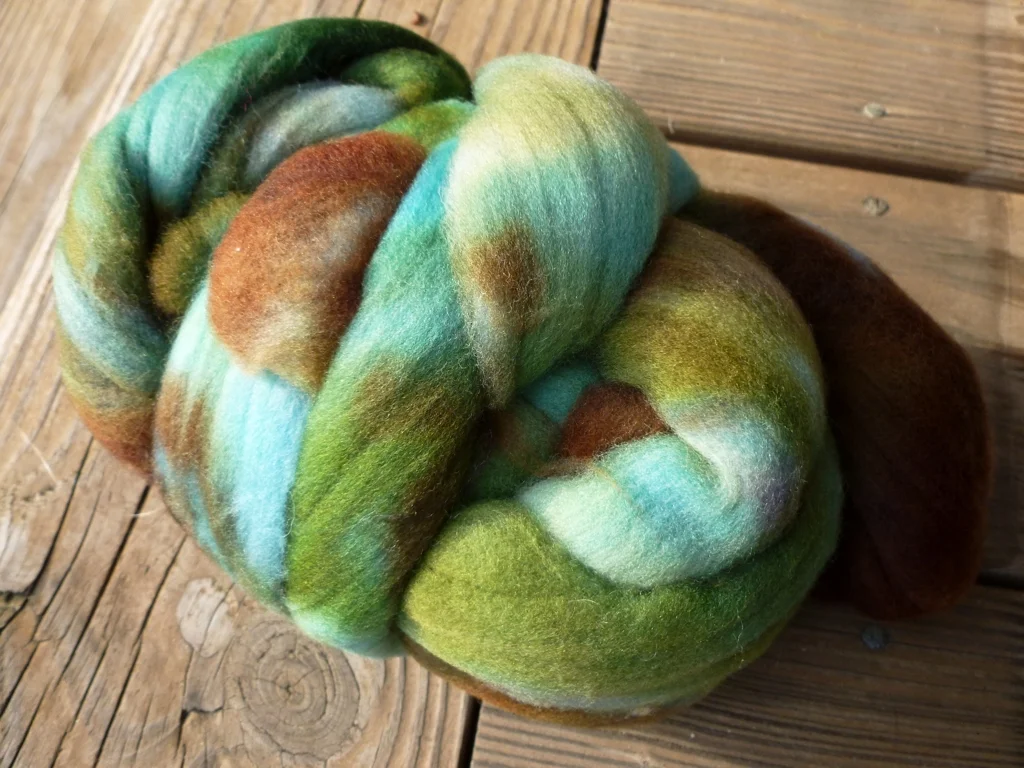
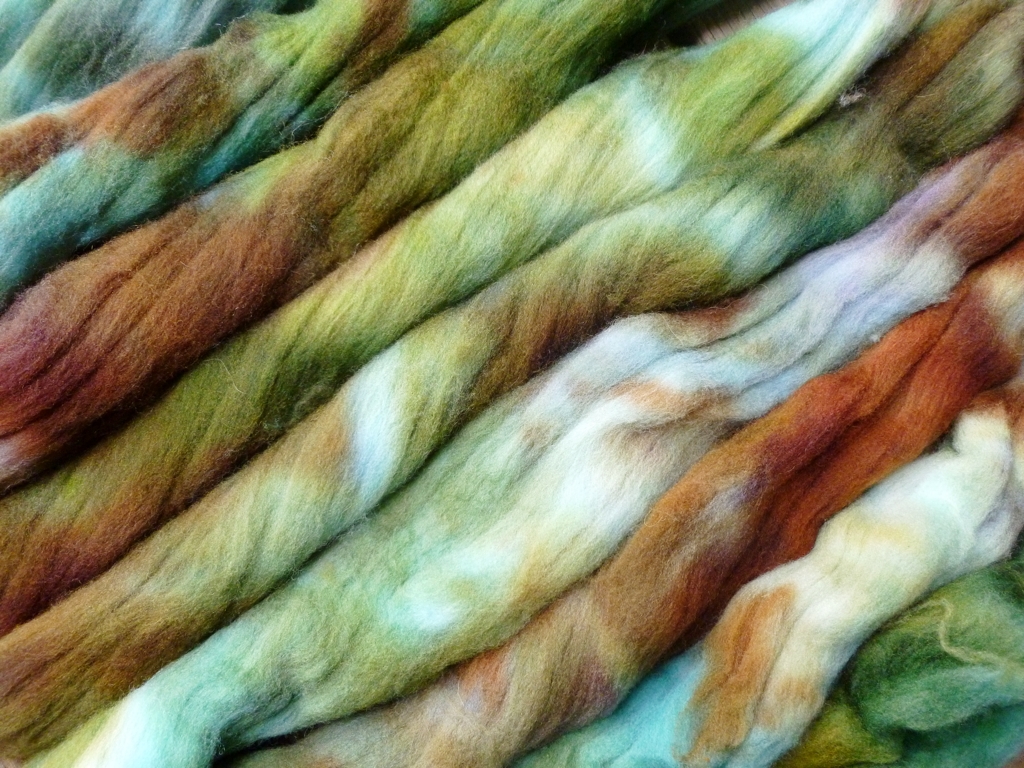
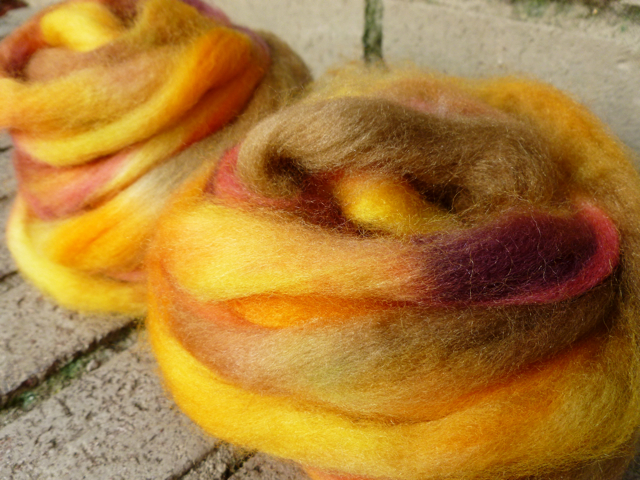
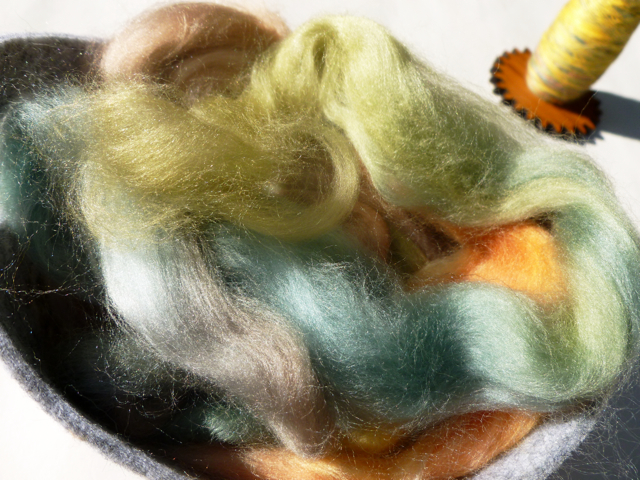
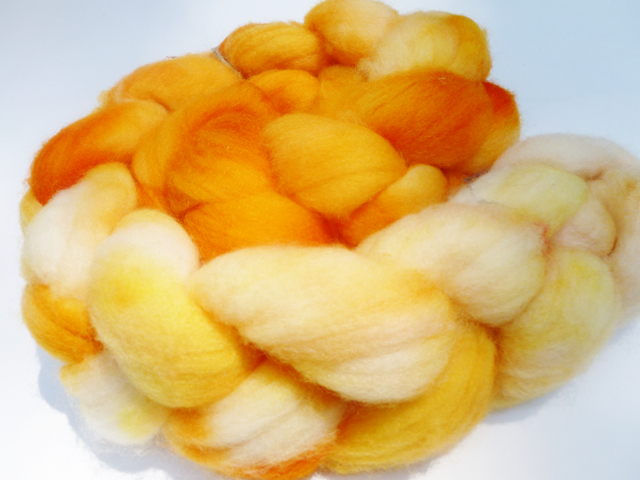
I bought some hand dyed Targhee wool from SpunkyEclectic.com way back in January. Having never heard of the breed before it I saw it on the site, I was curious about how it would spin. The internet wasn’t very forth coming on the matter and I haven’t yet invested in a weighty tome about fiber type which meant that the best way to learn about Targhee wool would be to actually spin some. 

SpinningTarghee1.jpg
SpinningTarghee2.jpg
SpinningTarghee3.jpg
SpinningTarghee3A.jpg
SpinningTarghee4.jpg
SpinningTarghee5.jpg
SpinningTarghee6.jpg

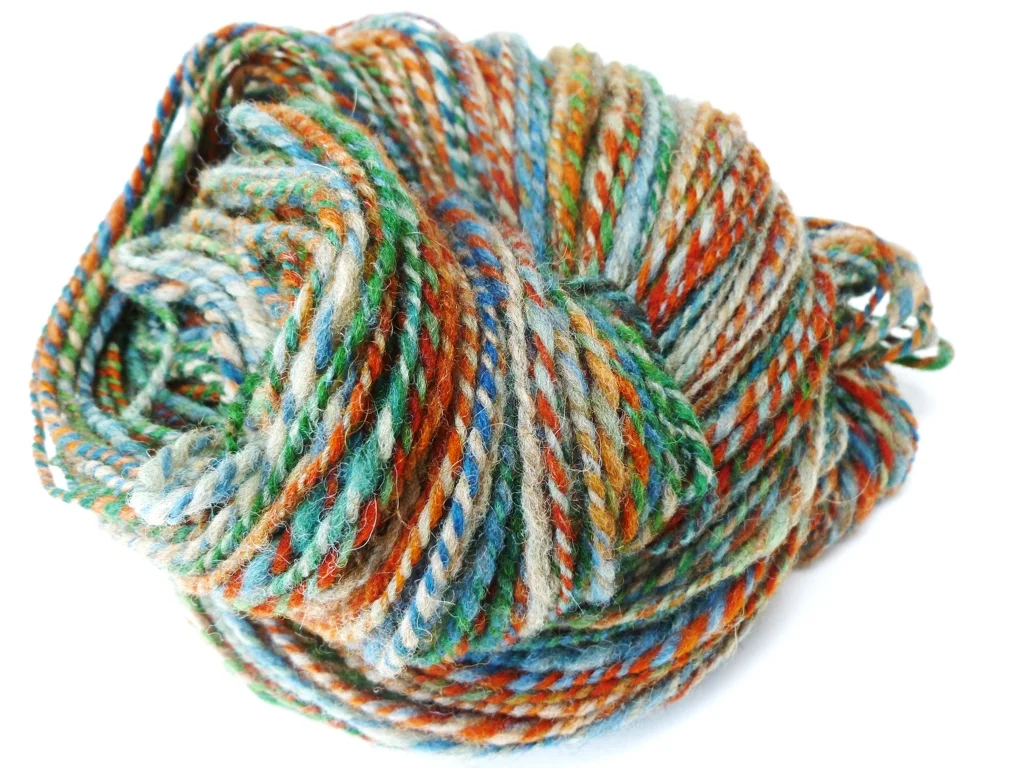
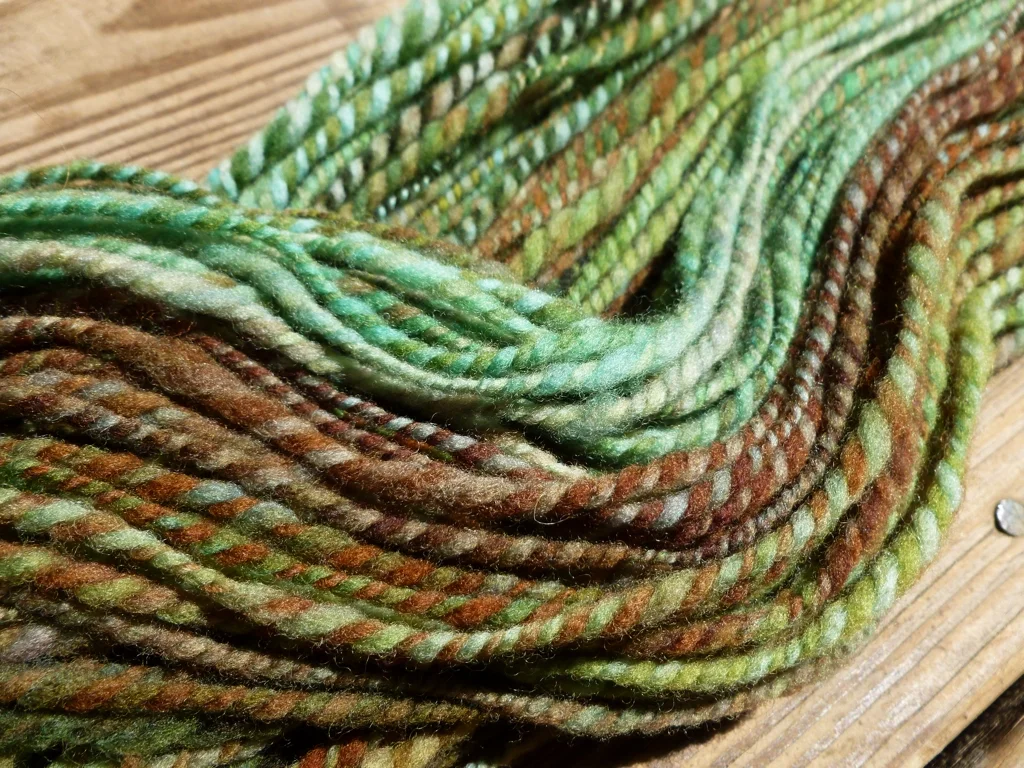
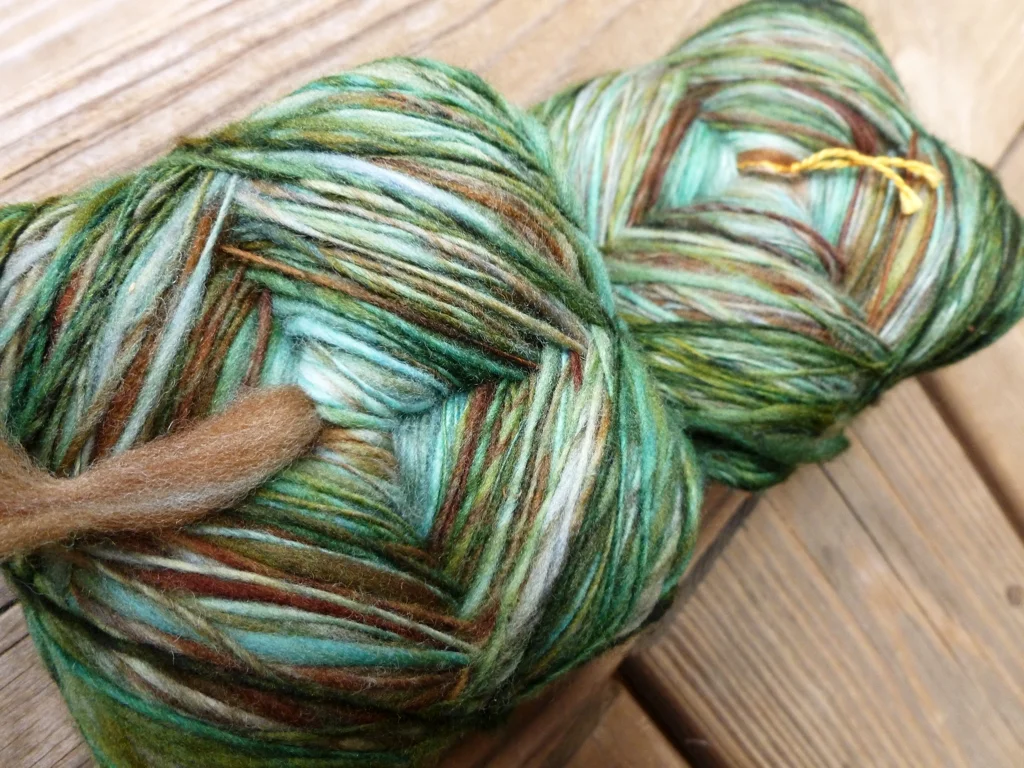
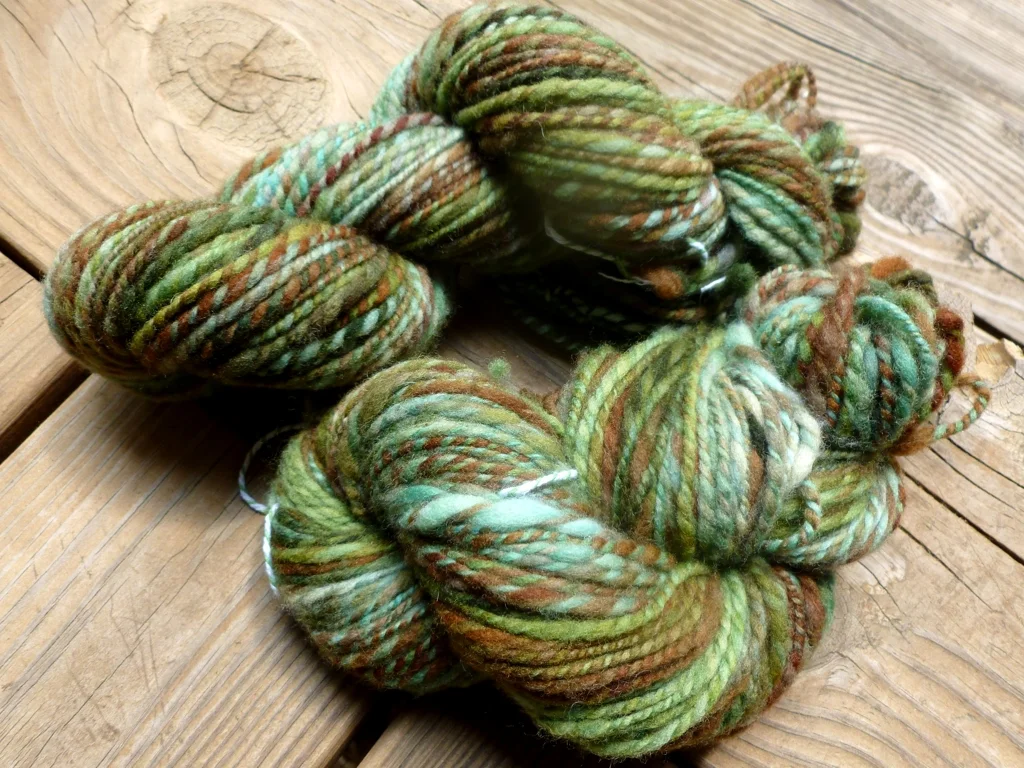
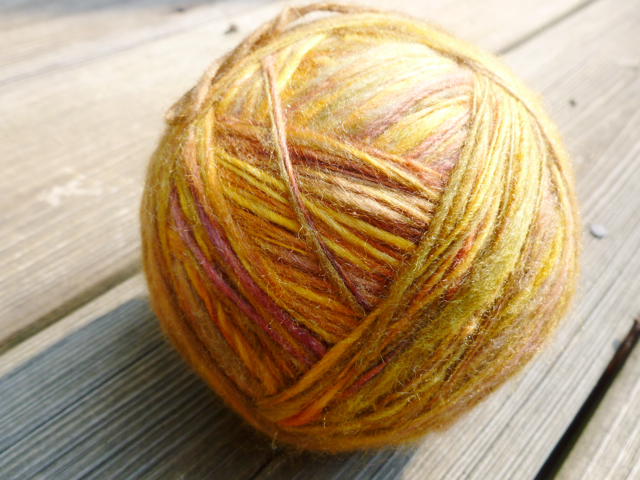
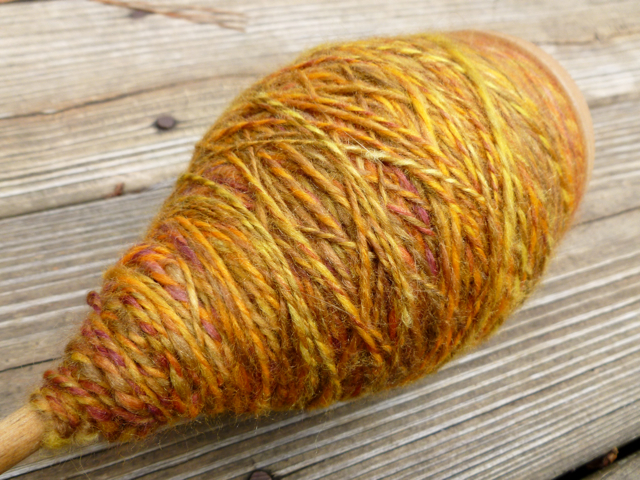
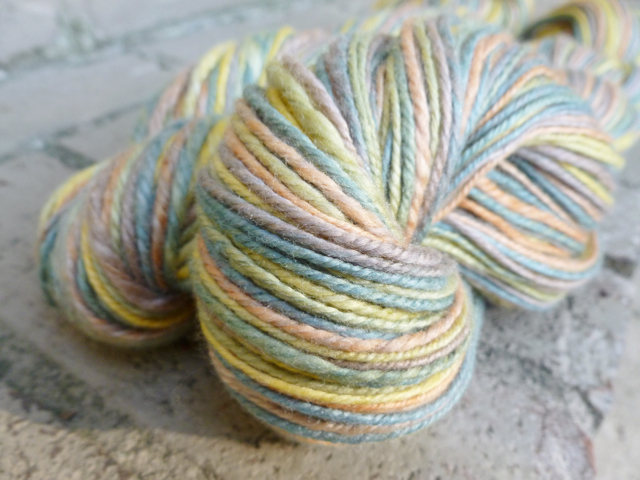
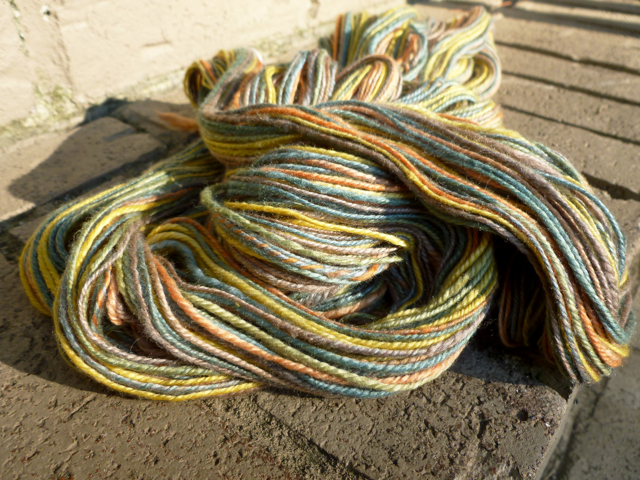
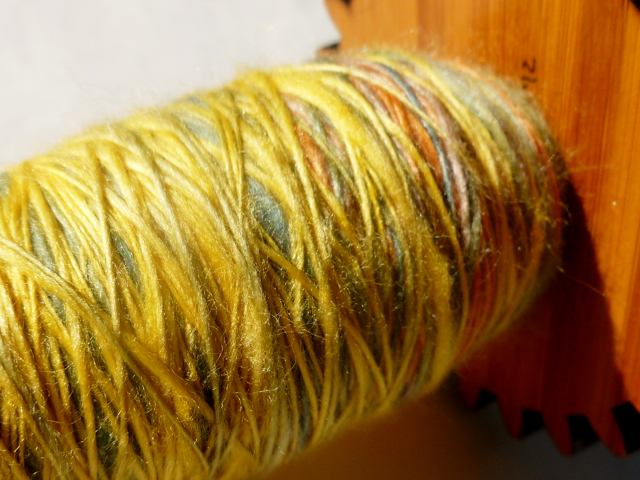
For the learning process, I fell back to my default yarn, a woolen spun 2-ply. The only prep I had to do was to split the roving in half lengthwise. Then it was time to spin. The first single was a little wild and inconsistent because I had to get my spinning fingers back. The second single was much more consistent. Due to these differences, I made the executive decision to ply each single back on itself though that probably wasn’t necessary. In the end I came out with 2 wonderful skeins and about 300 yards.  

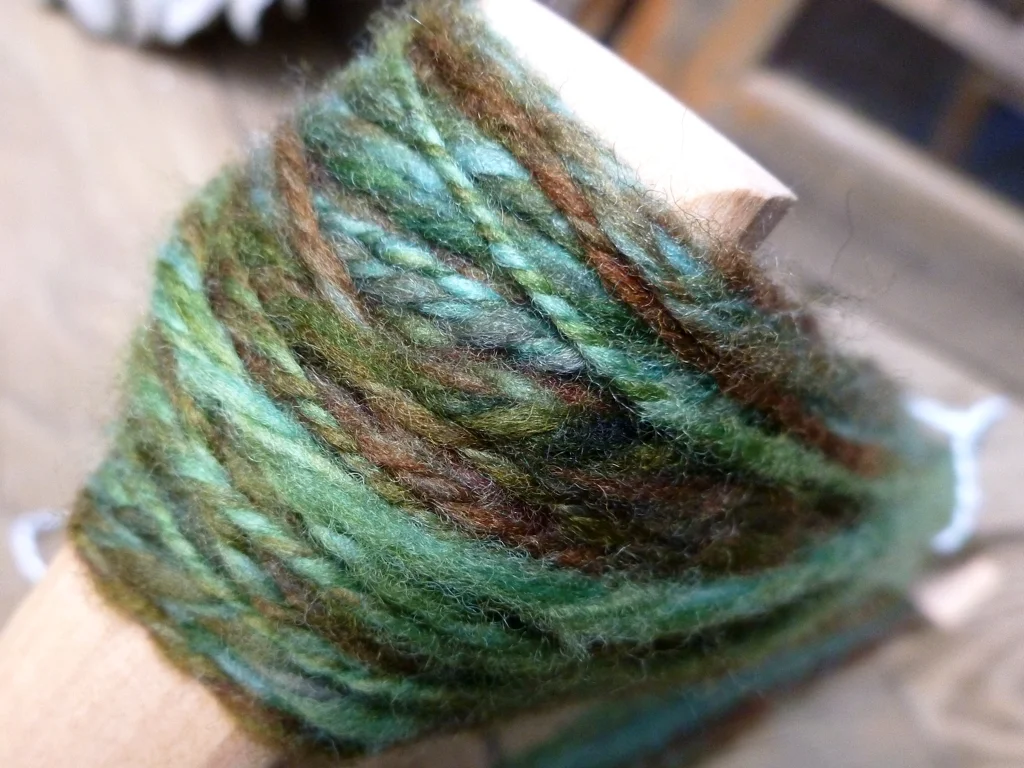
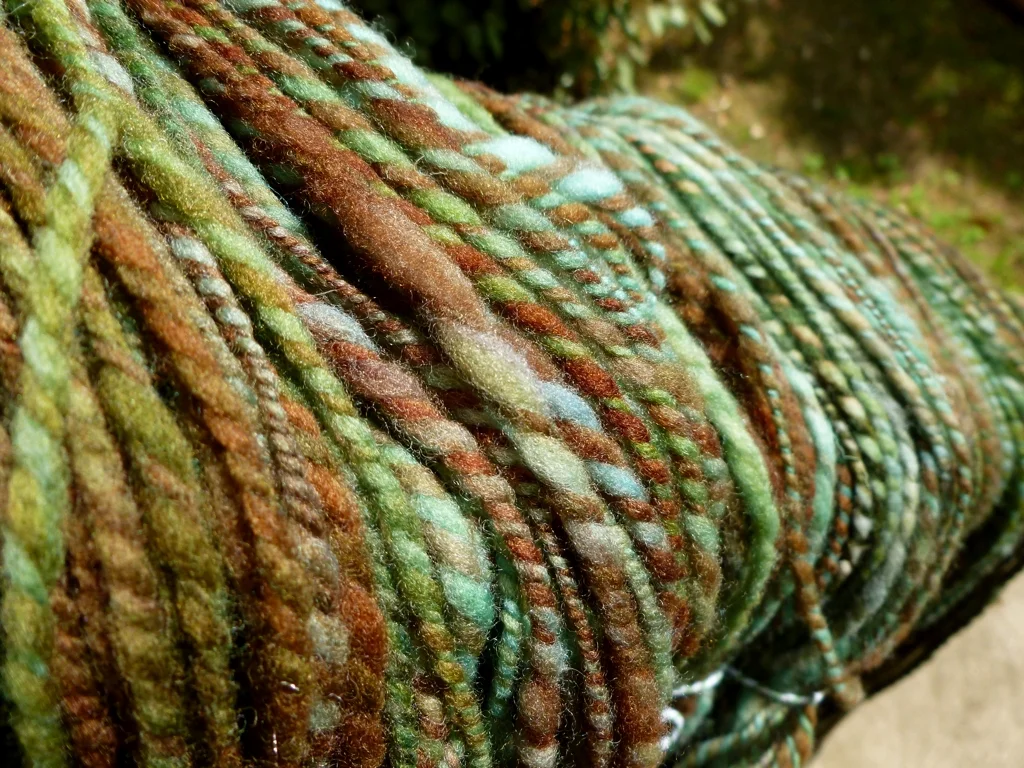
Now that I’ve spun up about 4 oz of Targhee wool, I can type that Targhee is some of my favorite wool to spin. Definitely top 5 along with Falkland, Corriedale, and Blue Faced Leicester. It was easy draft and has a wonderful, soft hand. The staple length was several inches long and easy to work with. Whether to the specific breed, woolen spin, or how I finished the twist, the finished yarn bloomed significantly. During spinning, the second single was between a fingering and sport weight. After finishing, the yarn bloomed up to mostly a heavy worsted and lengths of super bulky.  

Looks like a super fun yarn to knit and I can’t wait to actually knit with it though I have no idea what to knit with it. I do know it will be warm and cosy. 

SpinningTarghee7.jpg
SpinningTarghee10.jpg

Simple DIY Wrist Distaff

WristDistaff1.jpg

It was Saturday and I was following my usual springtime routine of staying inside to avoid as much foul pollen as possible while also enjoying the internet. My routine may be simple but it works for me. During one of the many internet enjoyment portions of the day, I was catching up on Twitter when someone linked to a blog post about basic spinning vocabulary from Clean Cup, Move Down. Reading through the post, which is solid and worth reading if you’re new to spinning or need a refresher, inspired me to pull out a neglected spinning project

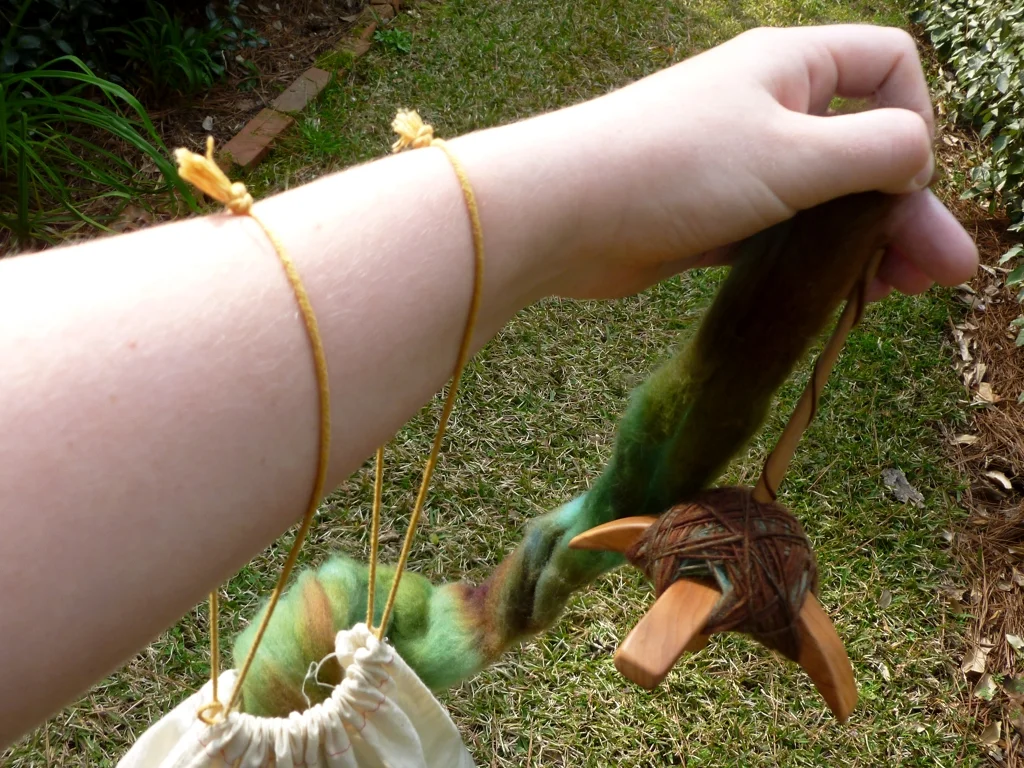
I had no problem with the single, the spindle, or the wool except that I put them away and promptly forgot about them. The spinning was wonderful and kept me inside and away from the pollen which is always a bonus. Also, I like to pace while I’m spinning and the roving was still long enough that I had to be careful not to step on it. I know I could torn off a chunk but I don’t want to join any more than I have too. It was at this point that I remembered such a thing called a distaff exists and I went back to the internet to figure out how to make one work for me. Distaffs, at least in relation to spinning, are cleft staffs which hold large quantities of wool or flax ready for spinning with a spindle. Not quite what I needed. Turns out that what I was looking for was a variation, called the wrist distaff, which is worn on the arm opposite the drafting hand. Most wrist distaffs hold just a few grams of fiber though and I wanted to have room for much more. The solution was simple.

WristDistaff2.jpg

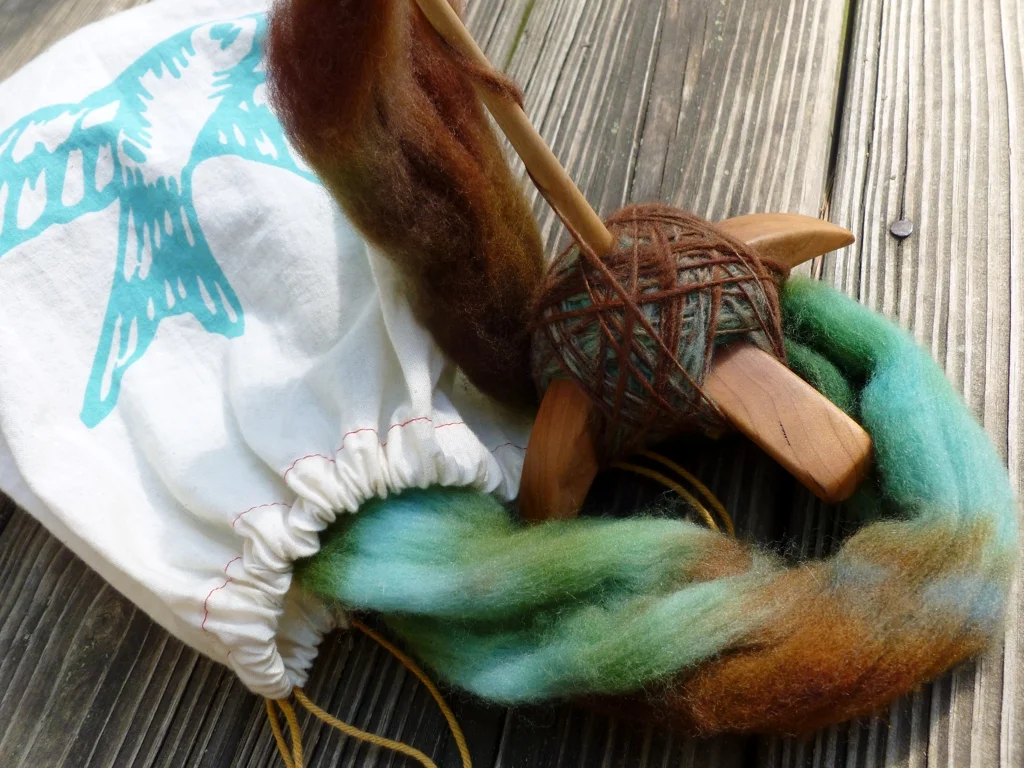
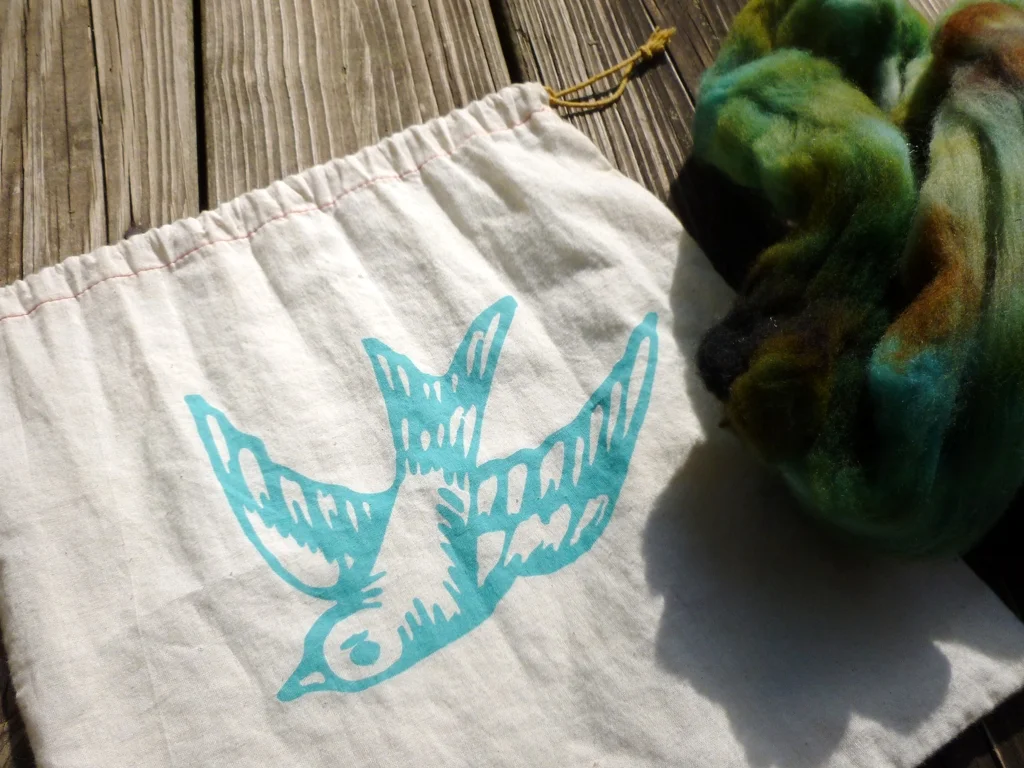
All you need for a simple wrist distaff is a drawstring bag with ties long enough to fit around your arm. The bag should be large enough to hold a few ounces of fiber and the spindle. I’m using a Pretty Cheep project bag but any drawstring bag will work. Just put the roving or top into the bag so that it can easily feed out a little at a time. When it’s time to spin, take the fiber and spindle out of the bag, hang said bag from your arm, and get spinning.

Now you can pace to your heart’s content or go spinning in public. Plus, when you’re finished spinning, just put the spindle in the bag are you’re good to go. 

WristDistaff3.jpg

Angora AKA Bunny Fluff

Angora1.jpg

It was Thursday and I just so happened to be knit night when I got a text. Said text was from a friend of mine who just so happens to have two Angora rabbits, Harvey and Roger. She wanted to know if I had any interest in adorable bunny fluff. My response, absolutely. 

Angora2.jpg

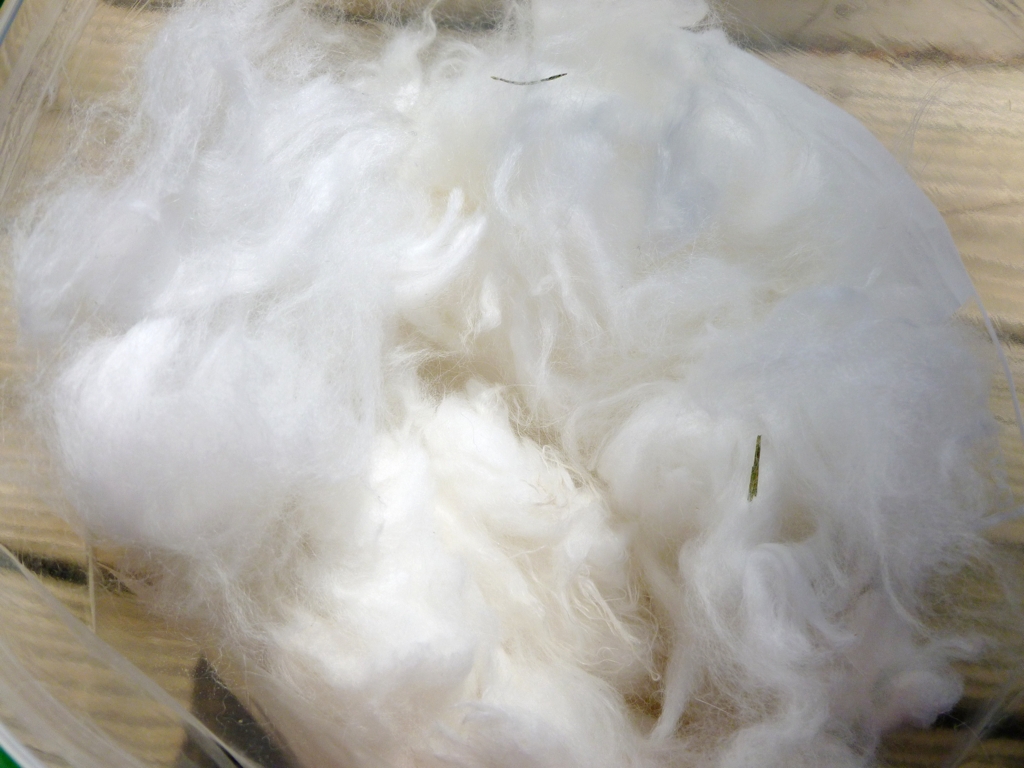
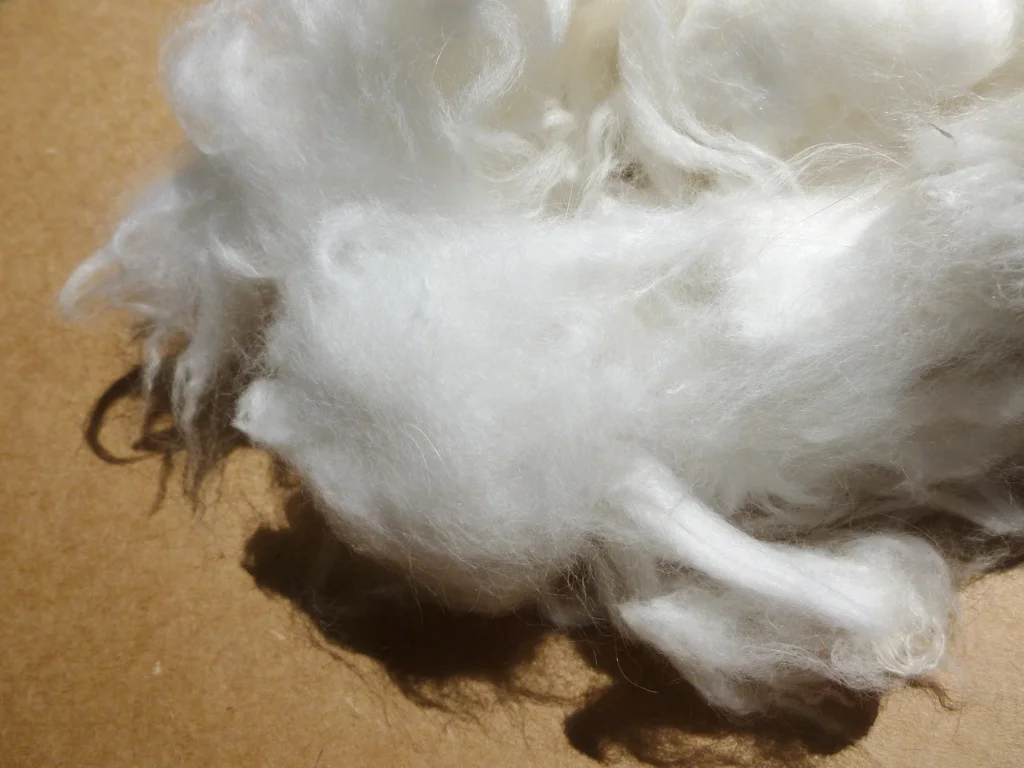
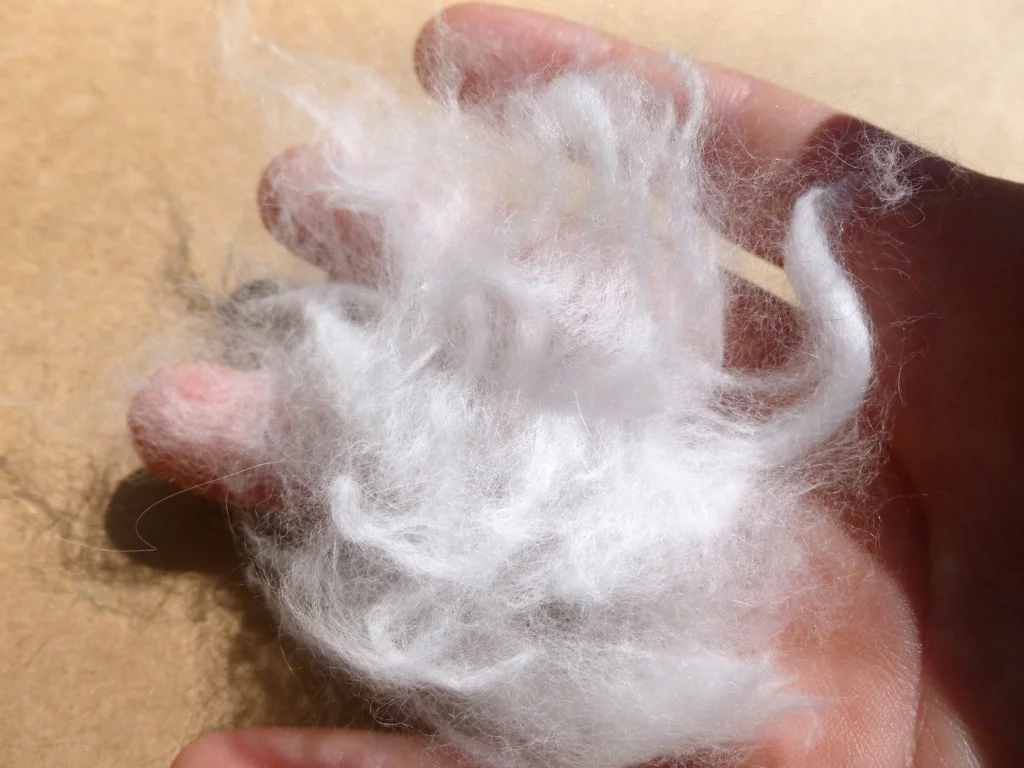
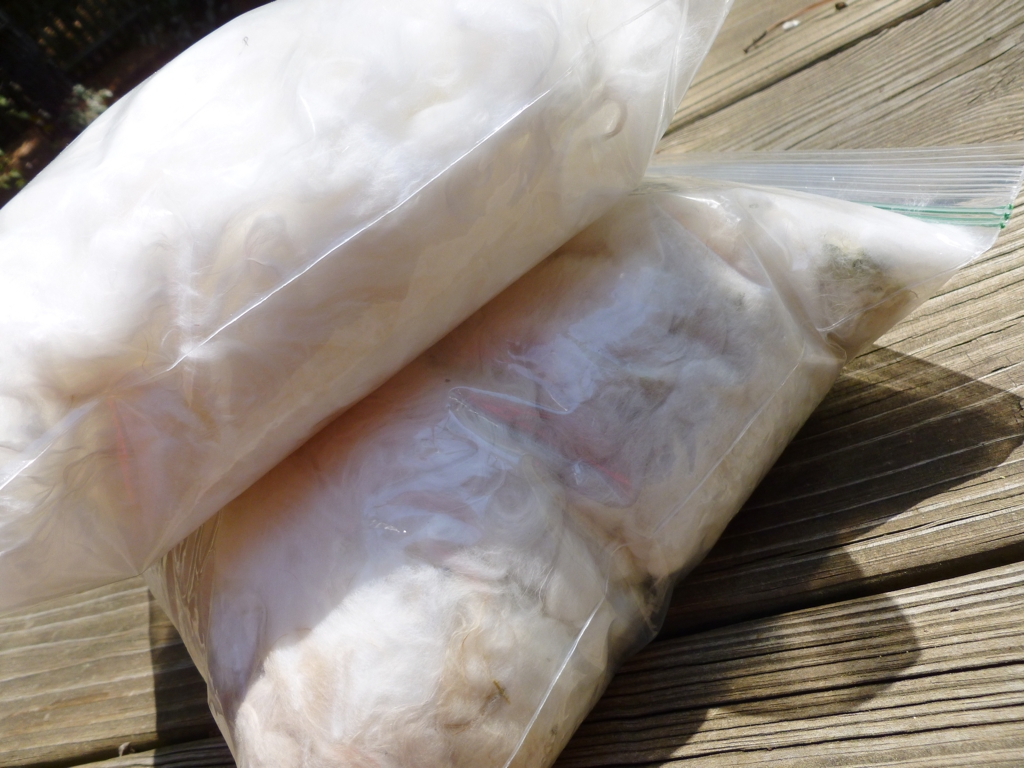
I’d completely forgotten about this exchange until last Monday when I got a giant, squishy package in the mail. This package was my birthday and Christmas all rolled up into one bundle of awesome. Inside were two zip top bags were stuffed full of angora. I couldn’t resist opening the bags and grabbing handfuls of fluff. The fiber was indulgently soft and luxurious between my fingers. I had no idea. The Angora blend scarf I have did nothing to prepare me for this. Neither did the silk hankies floating around in my fiber stash.

Angora3.jpg

For the moment, I am content to just feel the softness but the urge to spin is rising. Pretty soon I’ll be researching the best ways to spin Angora and deciding whether I want to blend the fiber with wool or use it alone. Then I actually get to start making yarn. All the fluff weighs in at 7.7 ounces so there’s plenty to play with. Can’t wait for the fun to start.

Have any tips or resources for spinning Angora? Or spun some yourself? I’d love some help. Thanks! 

Angora4.jpg

Spring 2013

Spring_Forsythia.jpg

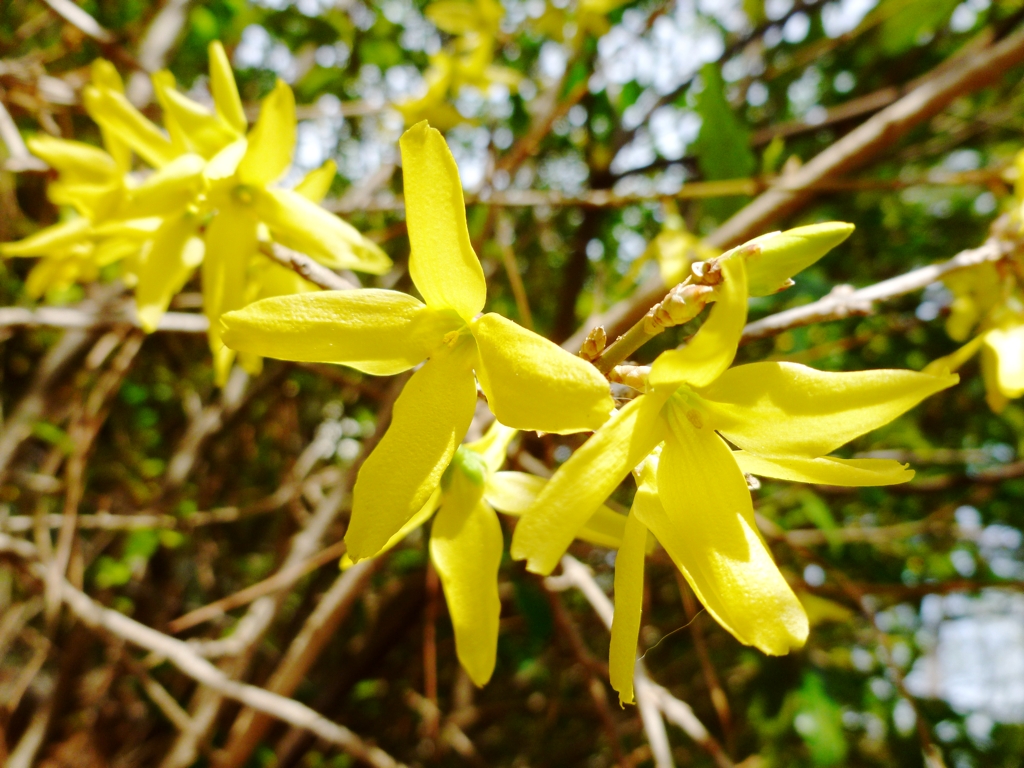
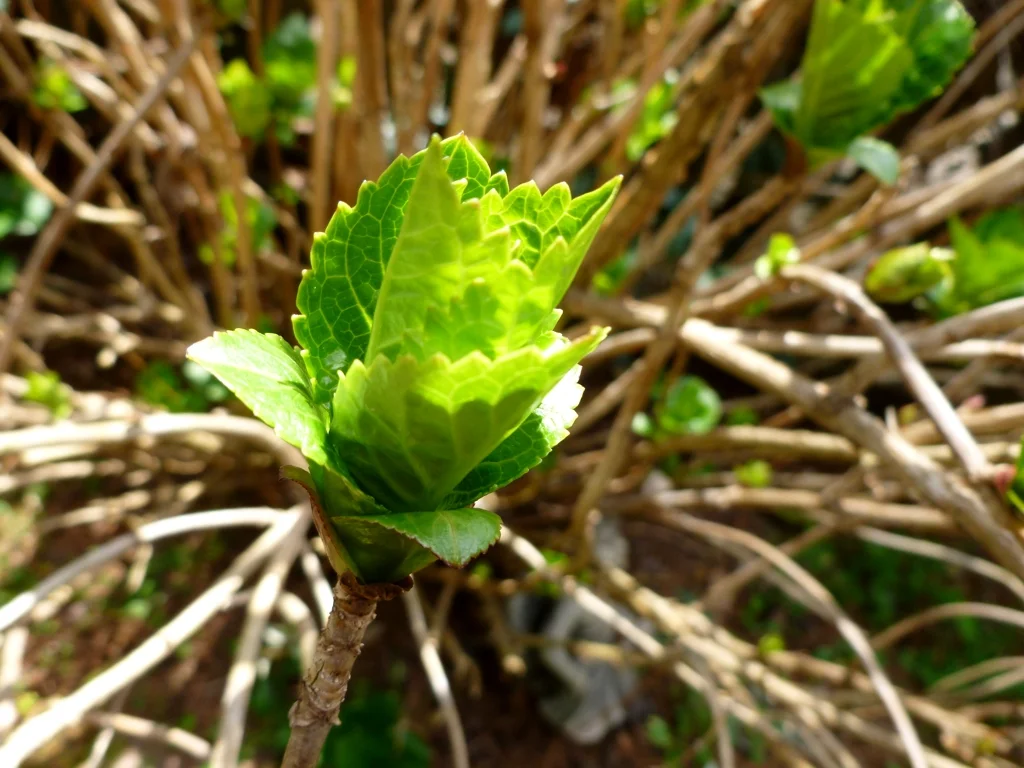
It’s officially spring. Thankfully, there’s no snow on the ground but there’s enough pollen floating around to make up for the lack of flurries. 

Spring_Leaves.jpg

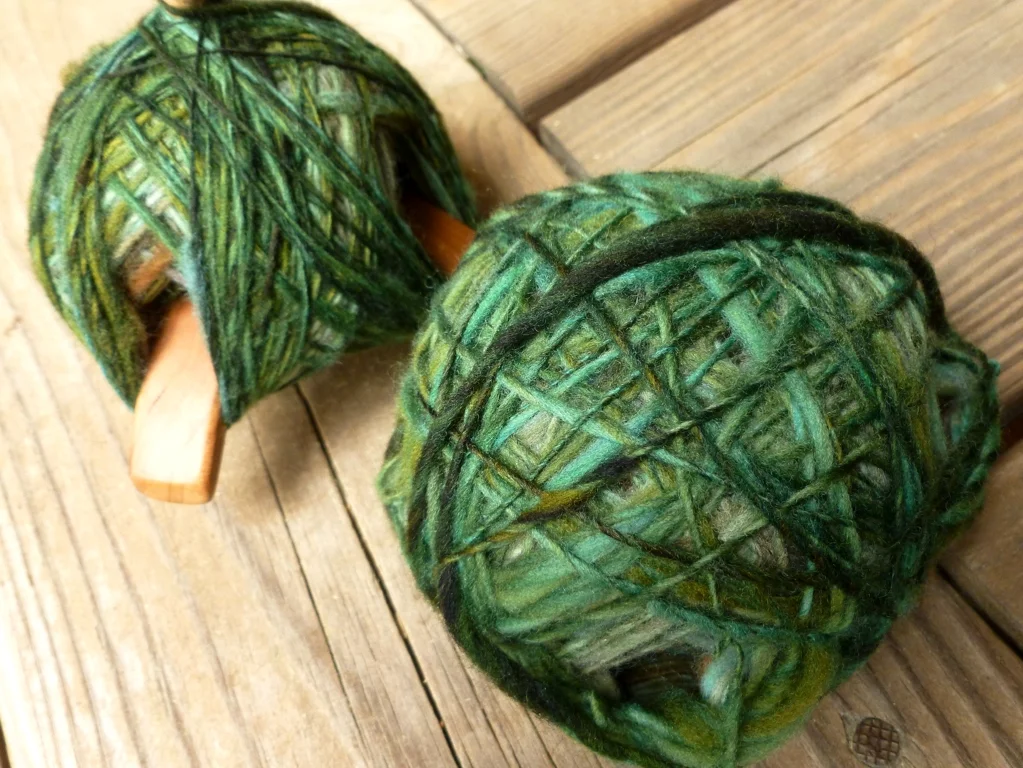
To celebrate the budding leaves and try to forget about coming pollen apocalypse, I pulled out a hibernating project. Back in the beginning of February I really wanted to spin some beautifully dyed Targhee from SpunkyEclectic.com. I split the roving in half and even spun a few yards before having to put the project aside for something else. I kept meaning to come back to it again but didn’t actually grab it until yesterday. Know what? The spinning was great and my fingers hadn’t forgotten what to do. 

My goal is to enjoy working with Targhee, finish spinning the singles, and ply everything together before summer. Then I might do something wild and actually knit with my own handspun.  

Anyone else using the start of Spring as an excuse to pull out some languishing projects? What are you working on?

MooseMoss1.jpg

How To Tie A Turkish Spindle Leader

MooseMoss.jpg

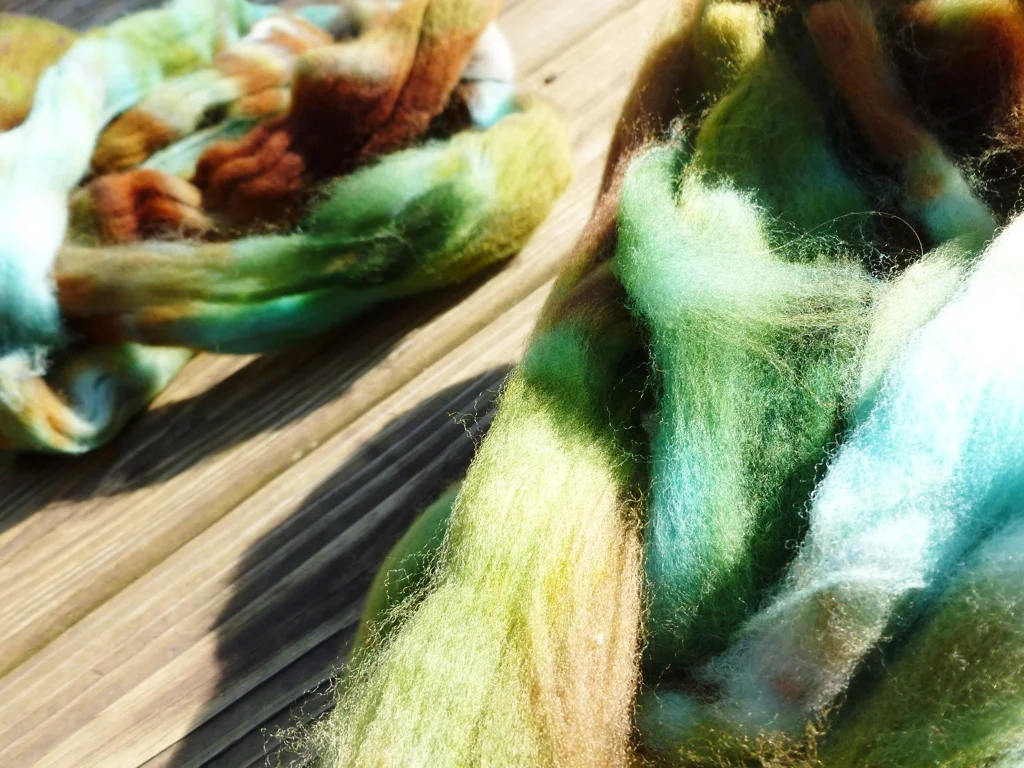
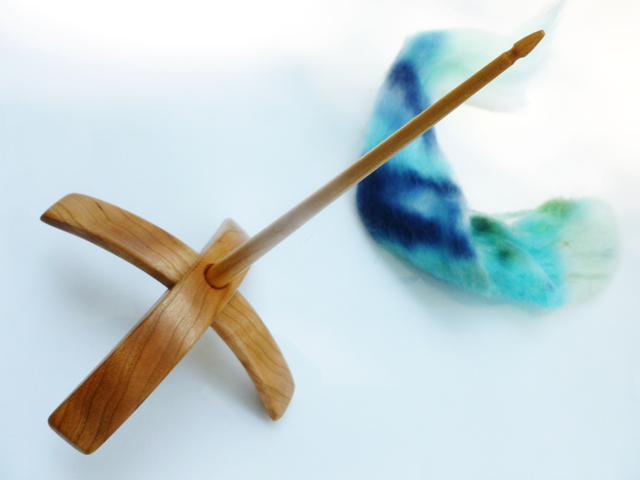
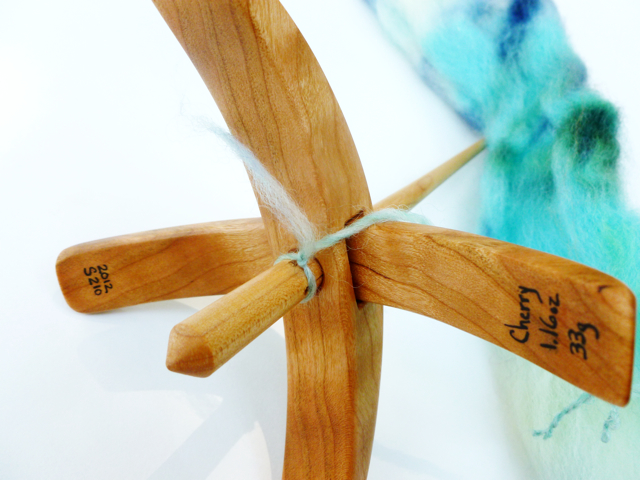
In the last installment of my spinning misadventures, I was trying to decide what to spin from a lovely bump of Targhee wool. Since this is my first time working with Targhee, I decided to keep things simple and go with a solid 2-ply yarn. The fiber gets to lead the rest of the way and do its wooly thing. The spindle of choice - a 33g Jenkins Swan which I haven’t used anywhere near enough. Time to fix that.

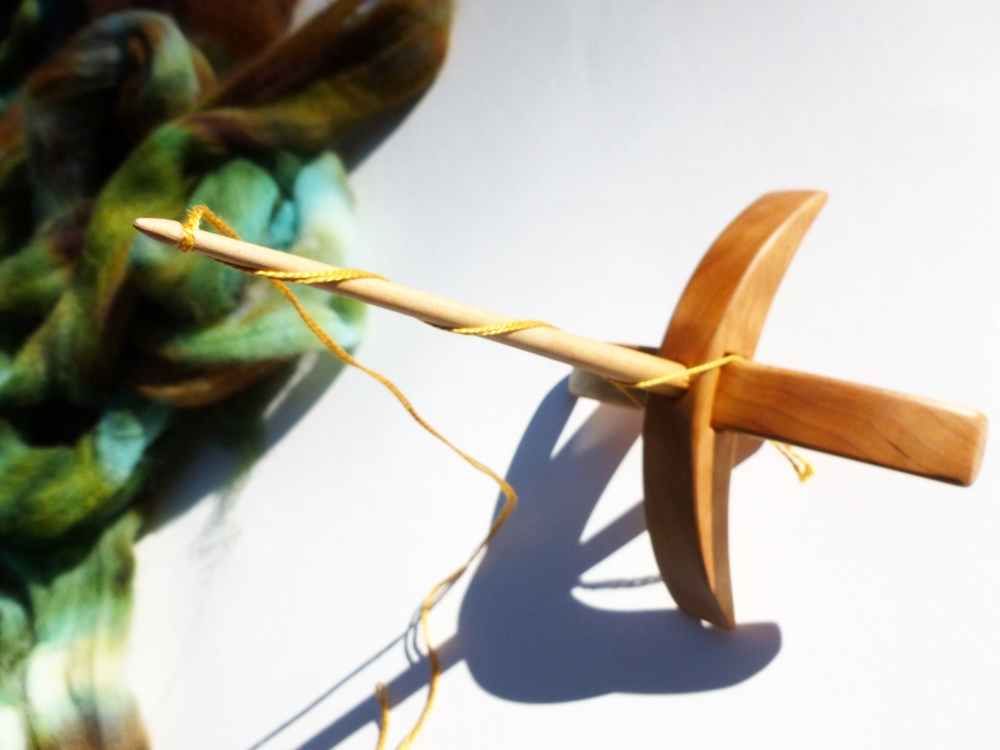
Turkish spindles can be tricky to start without a hook to help the process and leaders knotted to the spindle can be finicky when there’s a few yards of new handspun wrapped around your hand. I came across a solution quite by accident after I had the used the same leader, a piece of yarn or thread that helps add twist to fiber at the very beginning of spinning, to start several different singles. 

TurkishLeader2.jpg

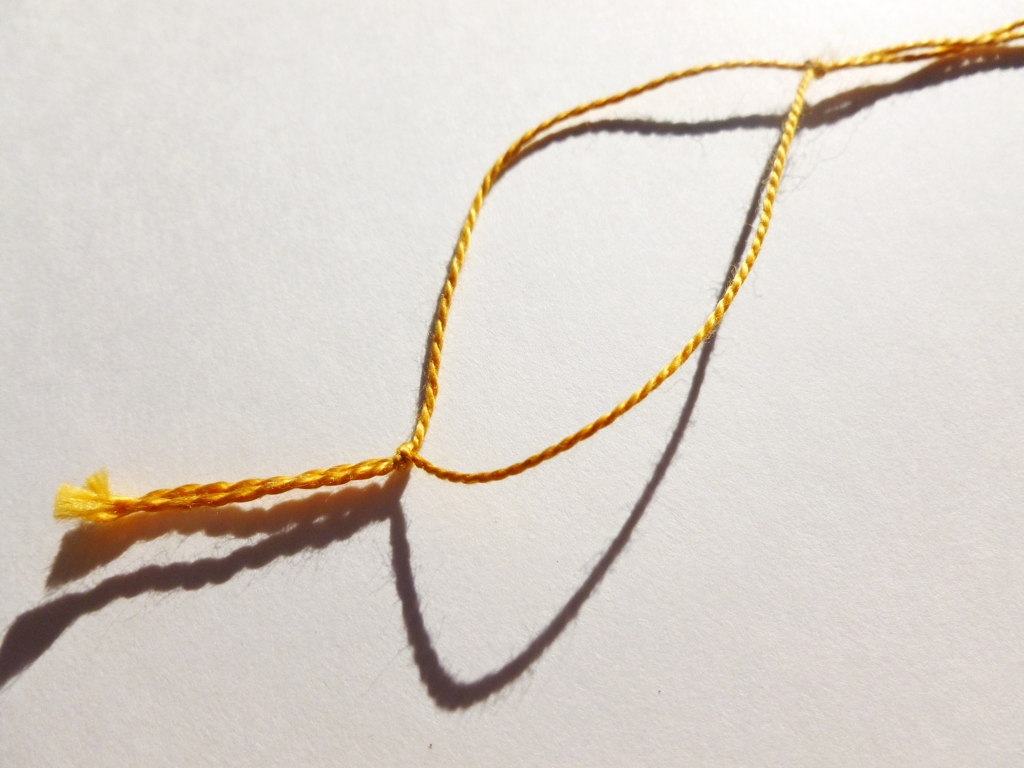
Tying the leader is simple. I used craft thread because I had it at hand but you can use yarn, twine, or any string in your junk drawer. Take a piece of string at least 18” long - length can vary based on the size of your spindle - and put the ends together. Tie an overhand knot near the end and a second knot about 2” from the first. That‘s it.

TurkishLeader3.jpg

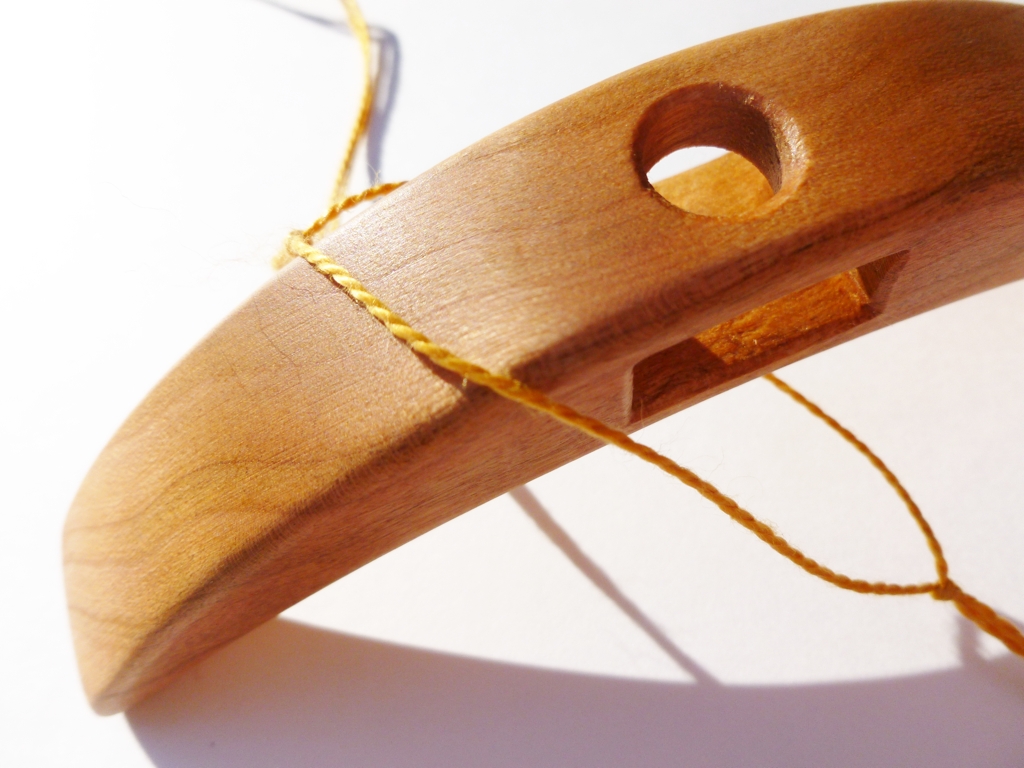
When you’re ready to start spinning, slip the larger spindle arm through the space between the knots. Insert the smaller spindle arm through the notch and the open loop at the same time. 

TurkishLeader4.jpg

Once the shaft is in place, the loop will be secure around the arms of the spindle. Wrap the leader around the shaft and tie a slip knot at the top. To add fiber, draft out a few inches from your top or roving  and put it through the loop hanging off the spindle. Fold the roving back on itself and start spinning. It’s the same process as starting without a leader when the spindle has a hook which you can check out in this tutorial.

TurkishLeader5.jpg

When it’s time to wind the single on to the arms, just wrap 2 over, 1 under as usual. No special treatment required. Nothing special to do when taking the single off the arms either. Just slide everything apart since the single isn’t tied, just wrapped, around spindle. 

TurkishLeader6.jpg

The Targhee and I are getting along well so far. I’m still learning a lot from spinning it though and looking forward to the rest of the process. Hey, I alway look forward to new yarn.  

No Clue

SpunkyEclectic_MooseMoss.jpg

I have a confession to make. I have been a very bad spinner this year. With the exception of a tiny mini skein (not even 10 yards after plying), I haven’t touched my spindles since 2012. The fact that I’ve been starring at bump after bump of beautiful fiber only makes things worse. 

The problem is that I want to spin but I have no idea what the finished yarn should be. Should it be 2-ply, 3-ply, or a chain-ply? Should I aim for fingering weight, worsted, or bulky? Indecision, you are not helpful. Usually, I’ll pick up a bump of fiber and know exactly what I what to do with it. This time, I have no clue.

SpunkyEclectic_MooseMoss2.jpg

At least my indecision hasn’t spread to what fiber to spin. Number 1 in the queue is 4 oz of Targhee wool, dyed in the “Moose Moss” colorway, from SpunkyEcletic.com. I’ve never spun Targhee before but I’m curious. Wikipedia tells me interesting trivia about the Targhee Sheep’s range and size but not much about their wool. The only way to really learn, is to start spinning. But what to spin? I’m at a complete loss. Any suggestions or tips?

Whirled Purple

WoA_Purple3.jpg

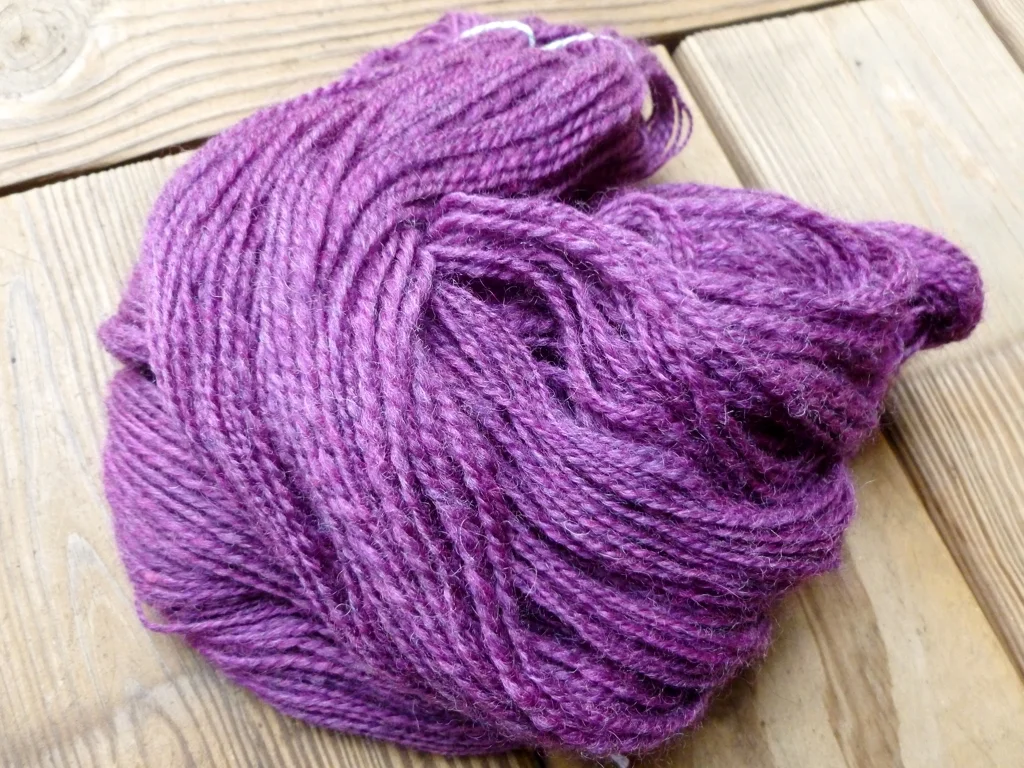
Normally, when I write about my homespun, it’s sitting within petting distance on my desk. I pick up the yarn, poke it, bounce it up and down in my hands, and even nuzzle it on occasion. None of that’s happening this time because I shipped off this skein to be a Christmas present to the lovely Christen -  knitter, crocheter, and photographer extraordinaire. She has a weakness for lace, shawls, fine yarn, and the color purple. I am all to happy to oblige her in all of these things and spun the yarn, the first handspun I’ve ever gifted, with her in mind from beginning to end. It’ll be funny if she knits (or crochets) with my handspun before I do.

WoA_Purple4.jpg

I finished the yarn just in time to mail it off for Christmas but only because I used a hair dryer to speed up the drying. 89g of Knit Picks Wool of the Andes Roving (Amethyst Heather) turned into 292 yds of fingering - sport weight yarn. The singles were spun on a 22g spindle from Dawning Dreams and plied on 2.2 oz Schacht Hi-Lo spindle. A number of movies and podcasts made the process move pretty quickly but I’m ready to spin colors that aren’t purple now. Grey and yellow are on top of the list.

Store Singles on Chopsticks

I love chopsticks. Have for years and I’ve got quite the collection now. I have chopsticks made of wood, plastic, metal, and ceramic. I have lacquered chopsticks, orange chopsticks, and red chopsticks. The collection has chopsticks that say Happy Birthday, that are inlayed with Mother of Pearl, and others that are decorated with ukiyo-e samurai. I took a selection of these off to college with me. Based on the look on my roommate’s face, you’d think eating fruit cups with chopsticks was weird or something. Also part of the collection are several sets of plain, black chopsticks. They sat in the silverware drawer for years and I always picked more decorative pairs instead. Well, I found a much better use for those plain jane chopsticks: storing singles.

Chopsticks1.jpg

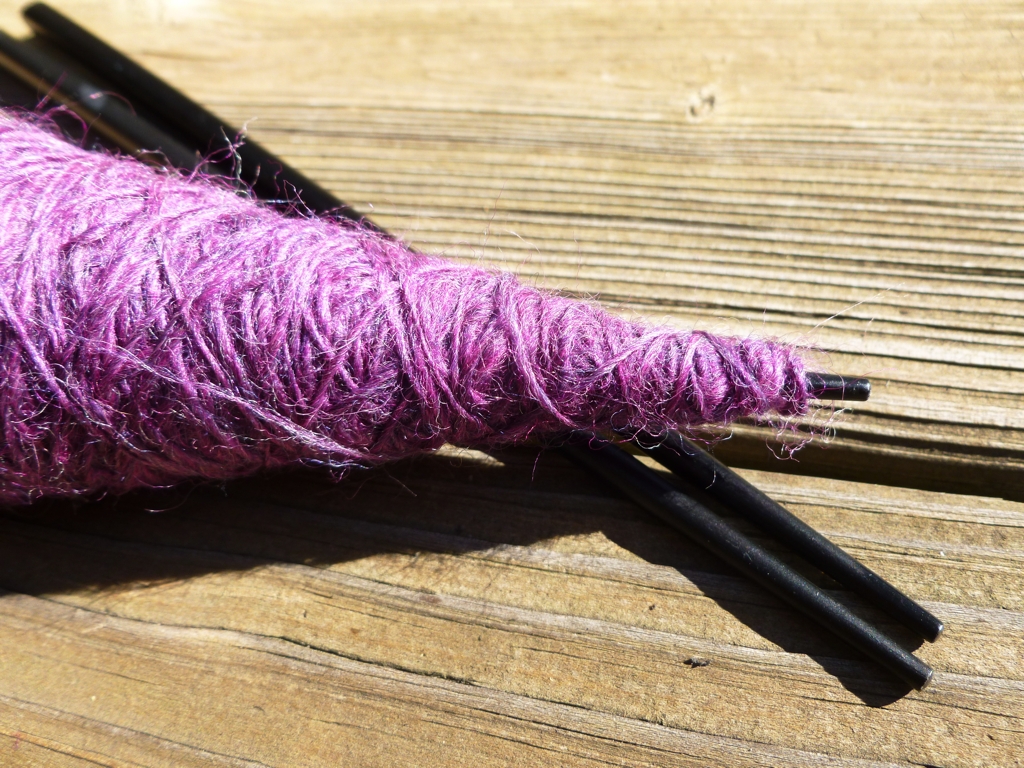
A chopstick and the shaft of a spindle aren’t that different. The two share similar and compatible lengths and diameters. Both have been sanded, perhaps finished with paint or stain, and are smooth to the touch. A finished cop - the mass of single wrapped around the shaft - slides easily without snags or tangles along both. A chopstick is more durable than a straw and can even be used as part of an improvised lazy kate. As a bonus, chopsticks are fairly cheap and come in a range of styles so you can afford to pair up all your spindles with a few sets.

Chopsticks3.jpg

To transfer, all you have to do is slide the cop off the spindle and on to the chopstick. If the spindle has a tapered shaft, slide the cop onto a straw first and then the chopstick so that the diameters match. With the chopstick full of proto-yarn, the spindle is free and clear for more spinning.

Whirling Purple

WoA_Purple1.jpg

Dear Spinning,

I’ve missed you. After I finished up that last skein of handspun, I had such grand plans. I was going to spin a soft, grey single of alpaca and wool. I picked out several bumps to practice fractal spinning. I was looking forward to spending more time with my turkish drop spindle. I was even contemplating pulling apart the silk hankies to what how they spun up. I fantasized about wheels. Unfortunately, transitional relocations, travel, knitting, and a number of other projects got in the way.  

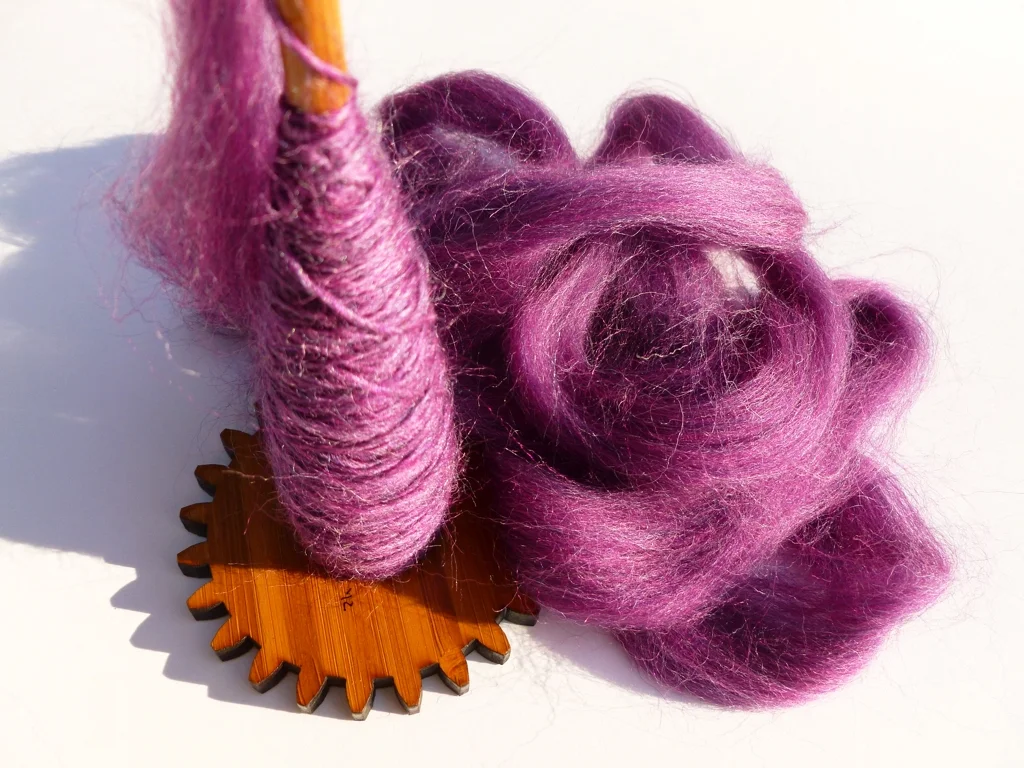
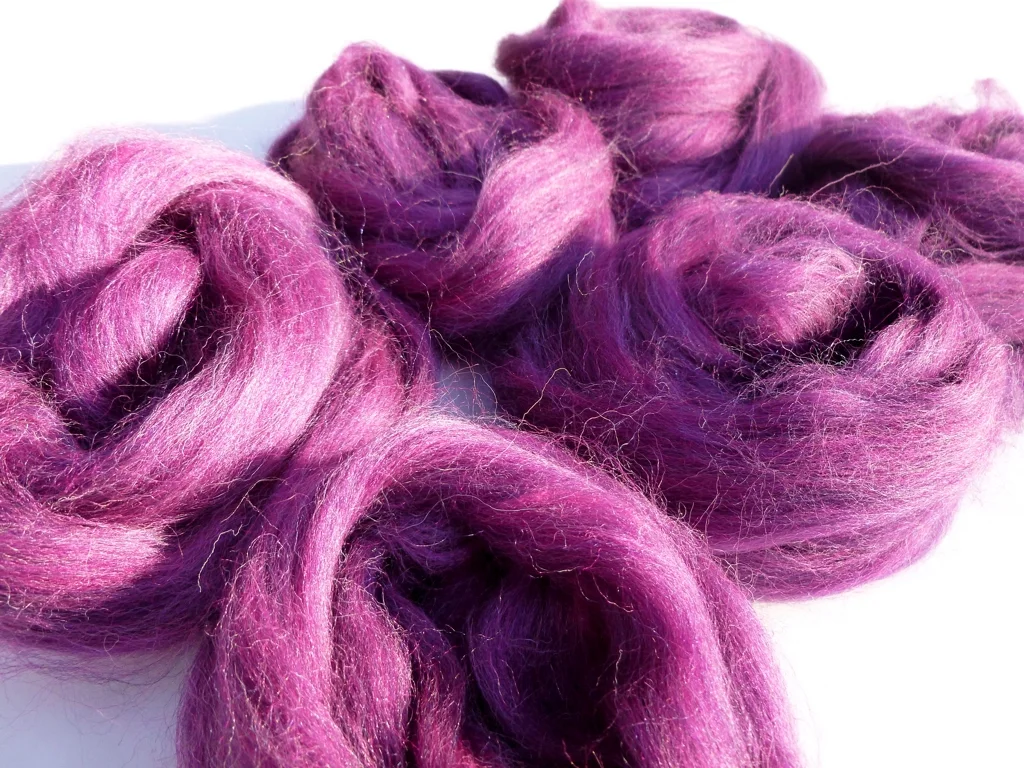
The good news is that I’m finally back. The other day I pulled a batch of purple top out of the fiber stash, split it up, and paired it with one of my favorite spindles. The end goal is for a few hundred yards of fingering weight 2-ply. The first single is turning out riotously purple and a little bit hairy which is just fine with me. Won’t be long before I start the second single either. 

Totally enjoying the purple fluff,

April

WoA_Purple2.jpg

From Fiber to Yarn

I’m still fighting the good fight against the first and, hopefully, last cold of the season. So much for going for a run or even standing up for long periods of time. Thankfully, handspun yarn doesn’t need me to stand vigil while it dries or my latest skein would still be wet. Since it’s all new, fresh, and pretty, it gets to do the talking today. Take it from the top...

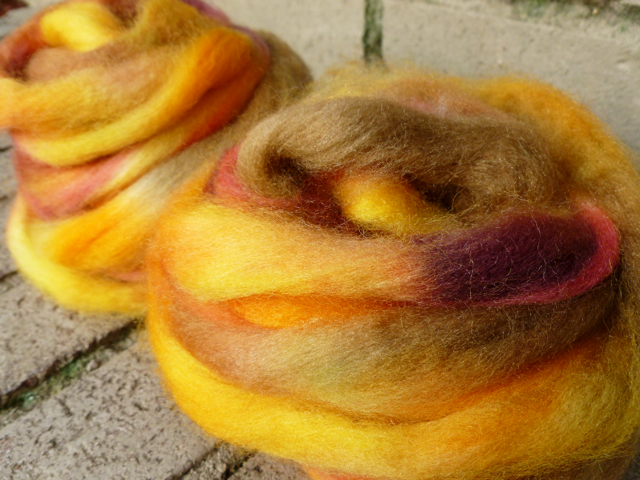
4 oz of Gale’s Art Polworth 85/Silk 15 (Indian Corn)

Split into quarters

Spun into 2 long singles

Wound into a plying ball

Plied on a drop spindle

In the bath

Almost dry

Glamour Shots!

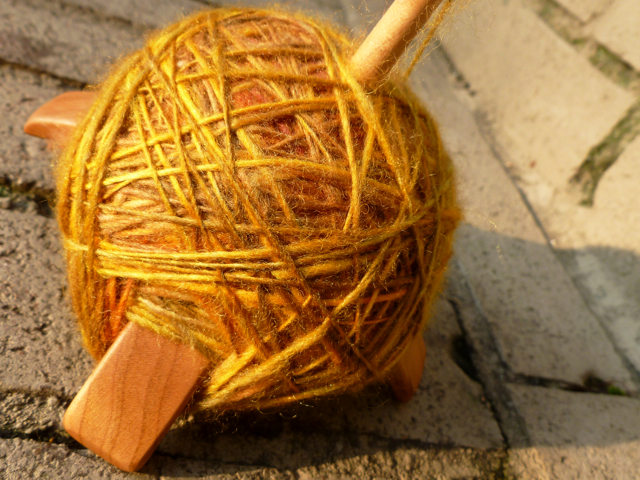
All finished, the yarn weighs in at 396 yards and about 11 wraps per inch. It’s also wonderfully soft and bouncy. The colors are amazing and didn’t spin up anything like I thought they would. When I split the fiber lengthwise, the color repeats seemed really short so I expected to see short bursts of color. I was so wrong and could not be happier about it. The yarn has long dark, muted sections and long, bright, perky sections. I can’t wait to see what how it knits up. 

While I was spinning this, the plan was to knit the finished yarn into a hat for a christmas present but 400 yards is a bit of overkill for a hat. Even for a giant, extra long stocking cap. Any suggestions for 400 yds of 2-ply goodness? 

On Stash and Storage

I was updating my Ravelry stash page yesterday and was feeling rather pleased with myself that I hadn’t acquired much yarn in the last few months. Cold sheeping, and all that. Then I realized that I had switched from yarn to spinning fiber as my acquisition of choice. Oh well. I’m not going to feel guilty about it since I’m buying things that I like, that I’ll use, and that support people I like. As much as I toy with the idea of only buying fiber/yarn when I have a project in mind, I like having a fiber stash to inspire me and pull from when the muse strikes. Plus, it’s nice to bury my head in all that lovely fiber when I need to hide from the day. 

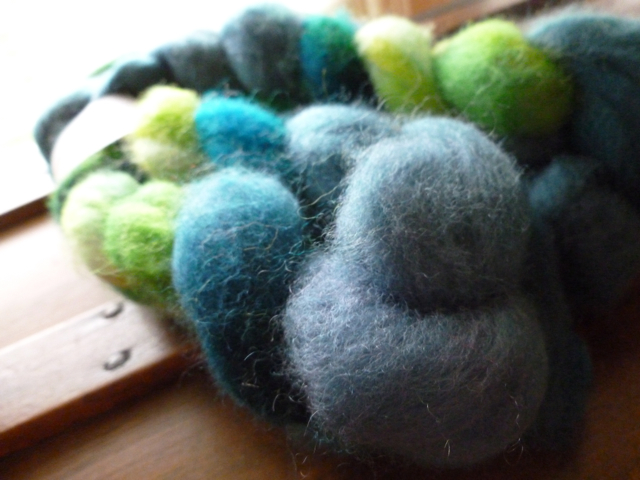
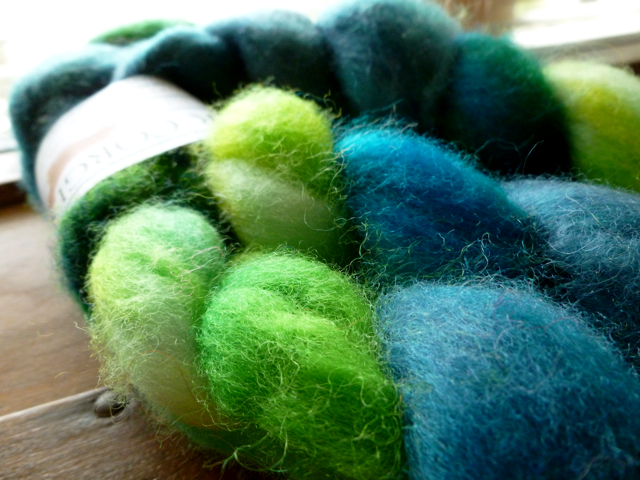
The latest addition to the collection is 4 oz. of Blue Faced Leicester from The Copper Corgi. I’m rather smitten with all those blues and especially the bright green. I have visions of bright green popping out from a swath of dark blue. Maybe 2-ply or maybe 3. I haven’t gotten that far yet. I’m still in the middle of spinning a polworth/silk blend which means the blue/green vision will have to wait in storage. 

Fiber storage here at Chez Strategos is both digital and physical. Digital storage is means that the fiber(or yarn) is photographed and said photographs are uploaded to the fiber’s very own Ravelry page. All pertinent information - breed, weight, color, dyer, price, etc - is included. Before I pull every bin and bag out, I like to peruse the stash through photos and choose my options. The physical side of storage is a giant bag left over from buying a bedding set. It’s see through, zips closed, and  has a very convenient handle. For the moment, it’s just the right size for all of my fiber so long as I keep spinning.

I’m really curious how you store/organize your fiber stash. Is it photographed and up on Ravelry? Does it have it’s own trunk? Or does it roam your home like a lion on the savannah? Any tips or tricks?

Getting To Know Each Other

Now that the commission yarn is finished, I’m taking the time for a little selfish spinning. I raided the stash and pitted the fiber against each other until there was a clear winner. I pulled them apart just short of felting. What came out on top was a lovely polworth/silk blend from Gale’s Art appropriately named Indian Corn. I had the loose idea of spinning a worsted weight 2-ply yarn. The colors get to do their own thing since the real purpose of this yarn is for me and my Jenkins Swan spindle to get to know each other. I’ve only spun a tiny little mini skein so far and it’s time that changed.

When I started spinning this single, my hands were still in lace weight mode and it took me a while to reset my fingers, so to speak. The spindle kept dropping but at least the singles were getting a decent thickness. As I was working and adding more singles to the arms, the spindle started to spin differently. It would still spin for a long time but at a much slower speed than when the cop (Is the collected yarn on a turkish drop spindle still called a cop or is that just on whorled drop spindles?) was smaller. I’m going to chalk this phenomenon up to the extra weight on the spindle from the singles and physics. Blast you, you increasing moment of inertia!

I really need to figure out how to build a cop upward on a turkish spindle instead of just outward. Any pointers?

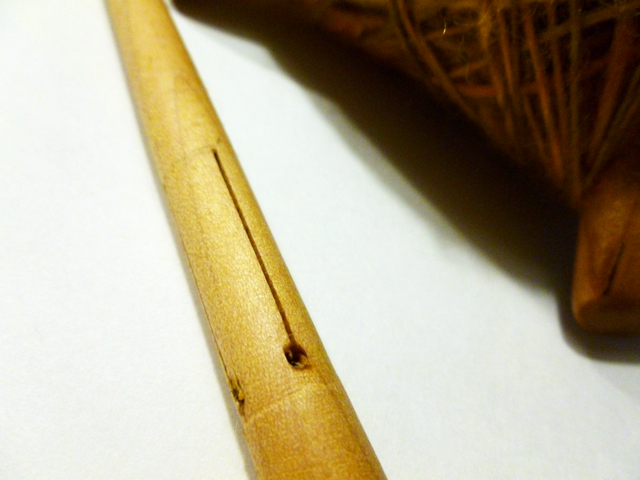
A turkish spindle is comprised of 3 separate parts: the shaft and 2 arms. I knew this and, yet, didn’t expect the arms to get stuck on the shaft because of how many times I dropped it. A high number that. Anyway, when I was unwrapping the spindle for the first time, there was a little slip of paper from Jenkins Woodworking that came to my rescue:

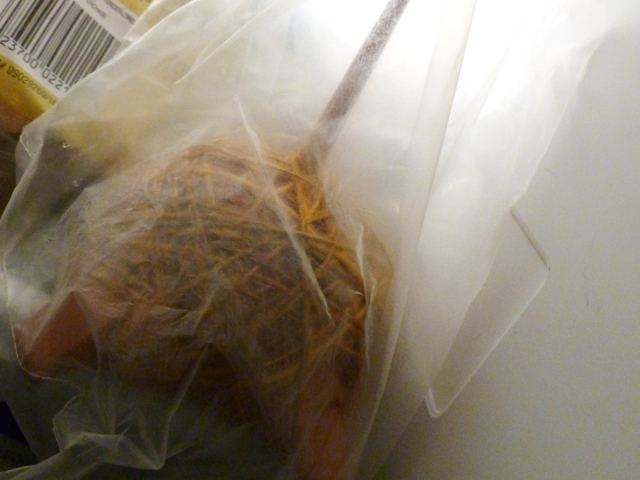
Ed’s Unique Compression Fit Shaft: Vertical slits for releasing pressure if the shaft becomes stuck when dropped. If the shaft seems impossible to remove, place the entire spindle in a plastic bag and place in freezer about 30 minutes. 

So, that’s what I did except I was distracted by the internet and left if in for another 15 minutes. The spindle still popped apart without any difficulty and none the worse for wear. 

Compression slits, you are both gentlemen and scholars.

I’ve only just started spinning the second half of my fiber but I’ve already learned so much. How building a cop affects rotation and speed. How much fiber I can comfortably pack on. How to rescue my singles if the spindle ever acts stubborn. What might be most important is that the pair of us will be spinning yarn together for a long time. Hmm, I think he needs a name now. 

Finished and Delivered

I burned a lot of the midnight oil but it was totally worth it to pass along this finished yarn at knit night. Seriously, the skeins finished drying in the car and I tied on the labels right before I walked in the yarn shop. Good times. 

The fiber, Chameleon Dyeworks Optim, was given to me spin by a friend at knit night. I picked the Optim over an alpaca blend because I thought it would be easier to spin. Now, I doubt this was the case but foresight is always 20/20. Optim is Merino wool which has been processed to have the look, feel, and behavior of silk. Sometimes, I was able to develop a rhythm and the yards just seemed to fly through my fingers. Other times, I might as well have been trying to draft water but I pulled it off. Finishing these 2 skeins make me feel like I’ve leveled up as a spinner. Now I want to grab the silk and alpaca that have been sitting in my fiber stash because I didn’t have the confidence to turn them into yarn.

The original plan for this yarn was to make a 2-ply, self-striping, fingering weight yarn but the colors just didn’t want to match up. Chain-plying to the rescue. The final result is 2 skeins of fingering/sport weight yarn totaling 545 yards at about 18 wraps per inch.

Oh, can’t forget this cute little test skein. It’s 29 yds of 2-ply goodness. 

The Plying Part

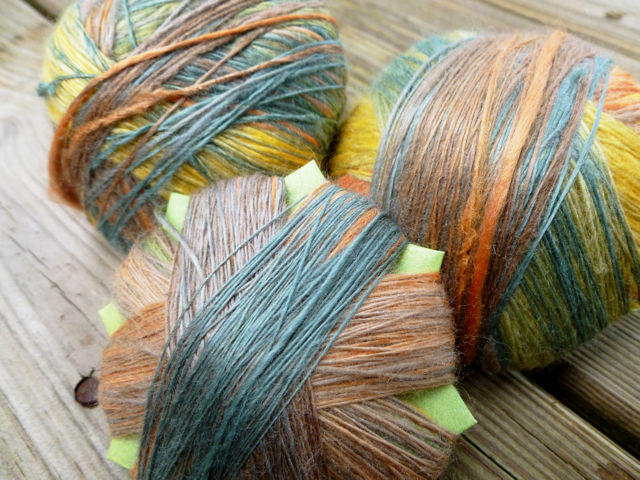
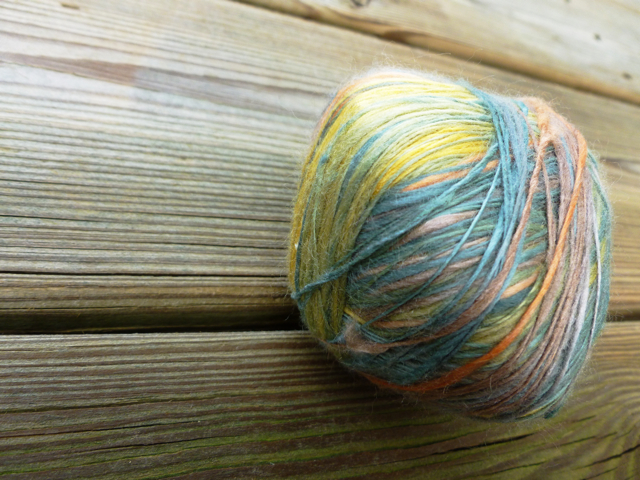
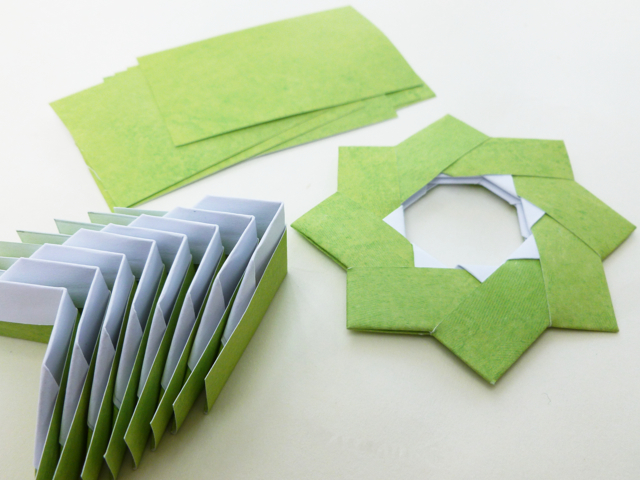
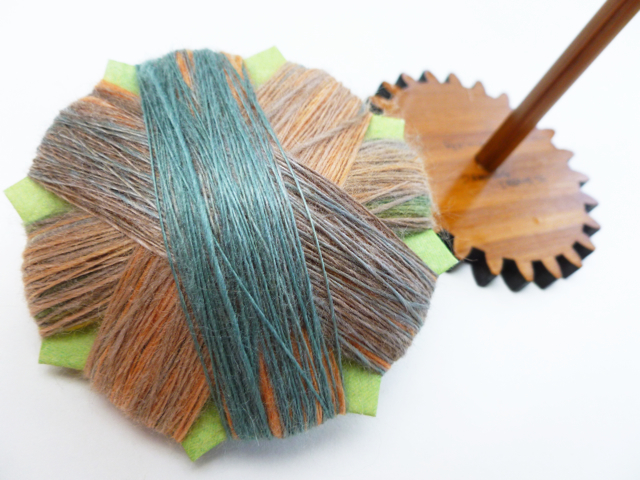
Last Friday, I wrapped 4 oz. worth of Optim singles around origami stars for plying. Saturday, I got a few yards on the spindle. Sunday was a total wash. Monday saw some very early morning progress though it wasn’t until yesterday that I buckled down and finished plying every last yard. Episodes of Cast On, Knit Picks, and Spin Doctor kept me moving and reminded me to stop for a break before pressing play again. I exercised my fingers playing the updated Ocarina of Time on the Nintendo 3DS and, so far, my childhood remains unscathed. My night owl self skeined and put the yarn in a bath while my kind of awake in the morning self hung it up to dry. Fans, get to work!
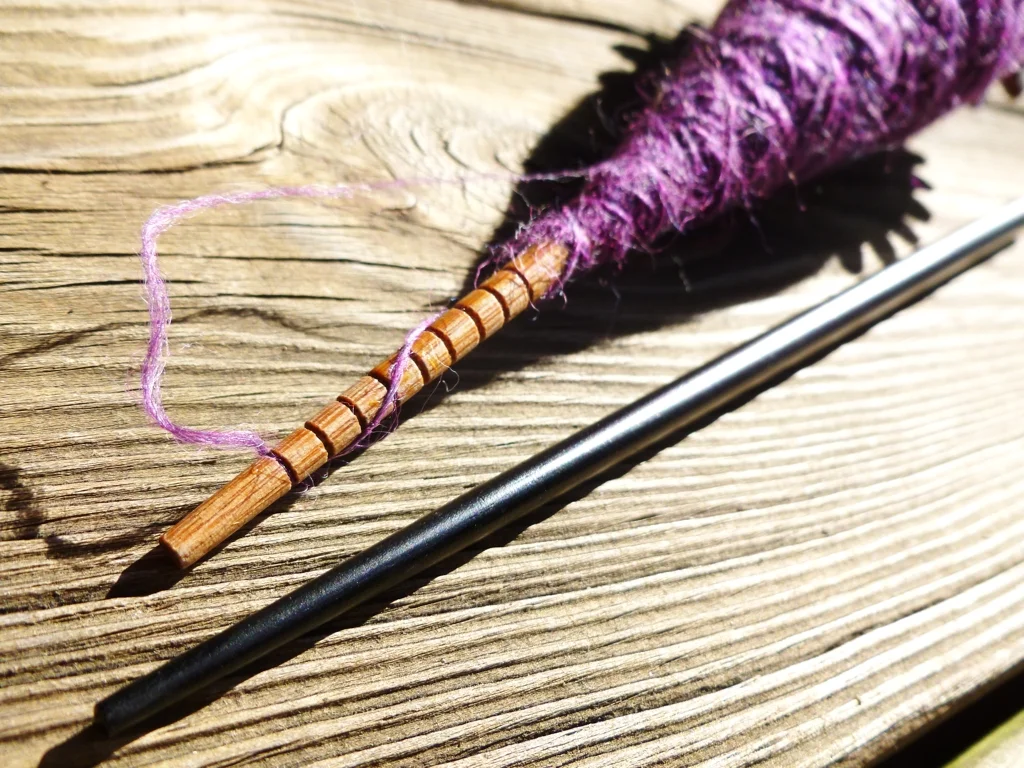
While prepping the plying balls, I couldn’t help but notice that their final gem stone shape which is both entirely fitting - shiny 100% wool for the win - and completely awesome. 

Origami for Plying

Since I started seriously learning to spin, I have been monogamous spinner. Just one bump of fiber on the spindles at a time, thank you. I don’t want to confuse my hands with wildly different fibers and jump between lace and worsted weight all in the same day. So when I pick some fiber to spin, I see it through to the end and don’t start something new until the yarn is drying on the rack. For the past few weeks my default spinning project has been a lovely bunch of lace weight singles which are be chain plied for some self-striping goodness. The time had finally come to ply the first singles a few days ago but I only had one plying ball and two singles. I didn’t want to wrap both singles around the same ball since I wouldn’t know where one ended and another began. One single went on the ball and I wrapped the second around a box of sewing pins. That box kept the singles orderly but it wasn’t quiet about it. “Oh, you need more singles? I shall play you the song of my people.”

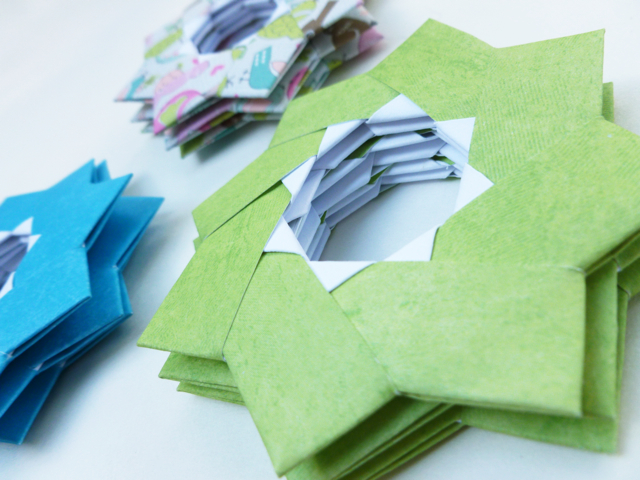
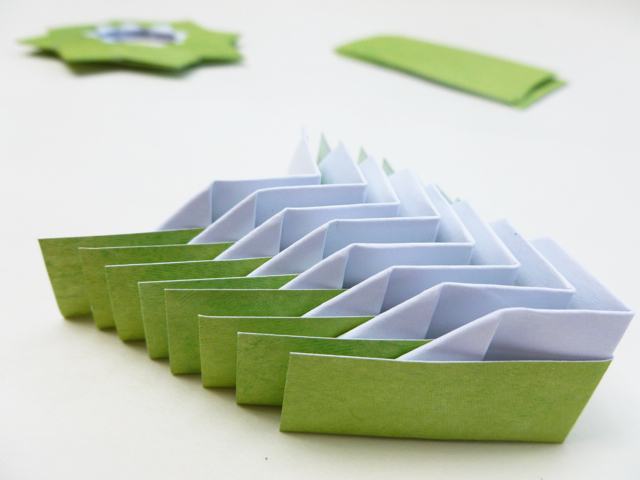
Until I get around to knitting up a few more plying balls, origami to rescue. I love making modular origami where a bunch of simple folded pieces combine to create something wonderful and complex. Stars are a particular favorite. In the rare moments of silent plying, I remembered the Gudrun Star over on GoOrigami.com. I’ve made them before and they seemed perfect for holding bits of handspun. The stars are simple to make, easy to memorize, and don't take up much space. I made these units listening to podcasts and watching movies.

I know I could have just cut out a few squares of card board instead of folding stars but there is a method to my madness. The extra points make it easier to wrap and secure the yarn. Plus, I’m going to be using these stars a lot and I’d rather look at them than a drab piece of cardboard or an advertisement on the back of a cereal box.

To make your own stars, you’ll need the Gudrun Star diagram from GoOrigami.com and a sheet of scrapbook paper cut into 2 x 3” rectangles. Scrapbook paper is thicker than origami paper but still easy to fold and makes a sturdy star too. One sheet is enough to make 3 stars 3.25” across. FYI, the diagram is in German but the illustrations are clear without the words. Don’t forget that Google Translate is your friend if you need it. 

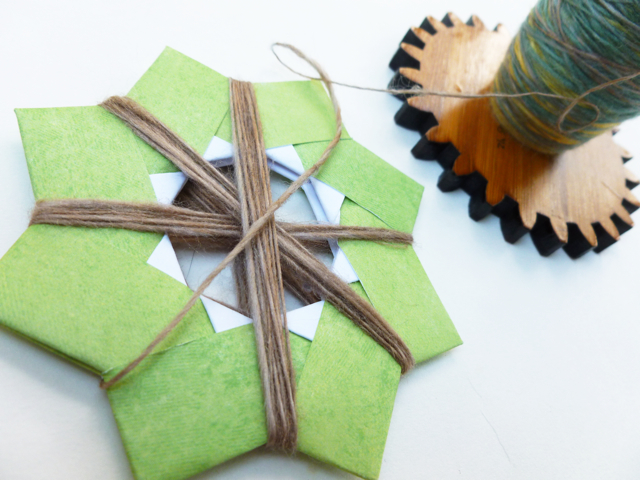
Once you’ve made your stars, they’re ready for yarn. Hold the end in a valley and wrap the yarn around the opposite side of the star 3 or 4 times. Rotate and repeat. When you can’t see the points anymore, you can wrap the yarn just like on any other ball.

Wrapped and ready to go! Time for some plying that won’t outdo the television speakers. 

Quality Time

This fiber and I have been spending a lot of quality and sometimes trying time together. In the basket is the remaining 8 oz. of Chameleon Colorworks Optim that I’m spinning for a knit night friend. The colors are gorgeous and lustrous since the fiber is processed Merino which acts more like silk than wool. Sometimes I feel like I’m trying to draft and control water flowing through my fingers instead of wool.

Once I spin up this last lace weight single, the plan is to chain ply the yarn for a self-striping fingering weight yarn. Yep, time for more quality time. Lots more.  

The Jenkins Turkish Swan Spindle

I’m not going to lie. Once I decided that turkish drop spindles were amazing things and, having repeatedly heard good things about Jenkins Spindles, I frequented yarntools.com. Once I decided I wanted one for my birthday, I stalked that site. I compared the different models, weights, and woods. There was always a tab open in my browser. I was constantly refreshing the page whenever there was the slightest chance of an update. So, when a spindle popped up that met all my requirements, I wasted no time clicking “Buy Now”.

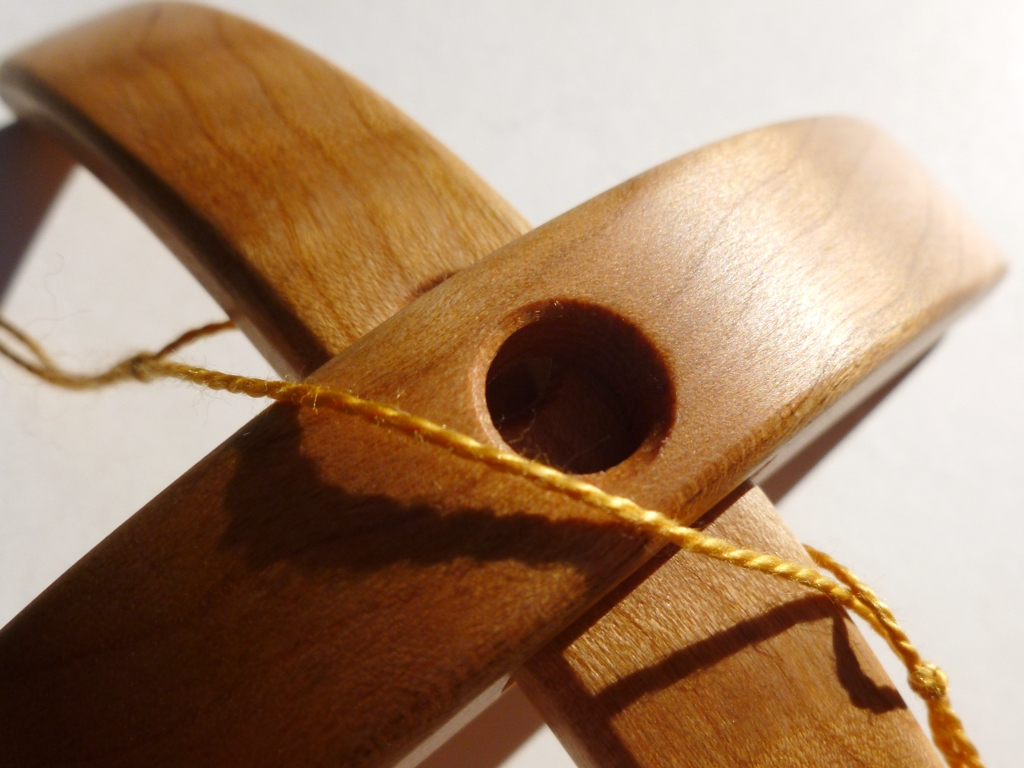
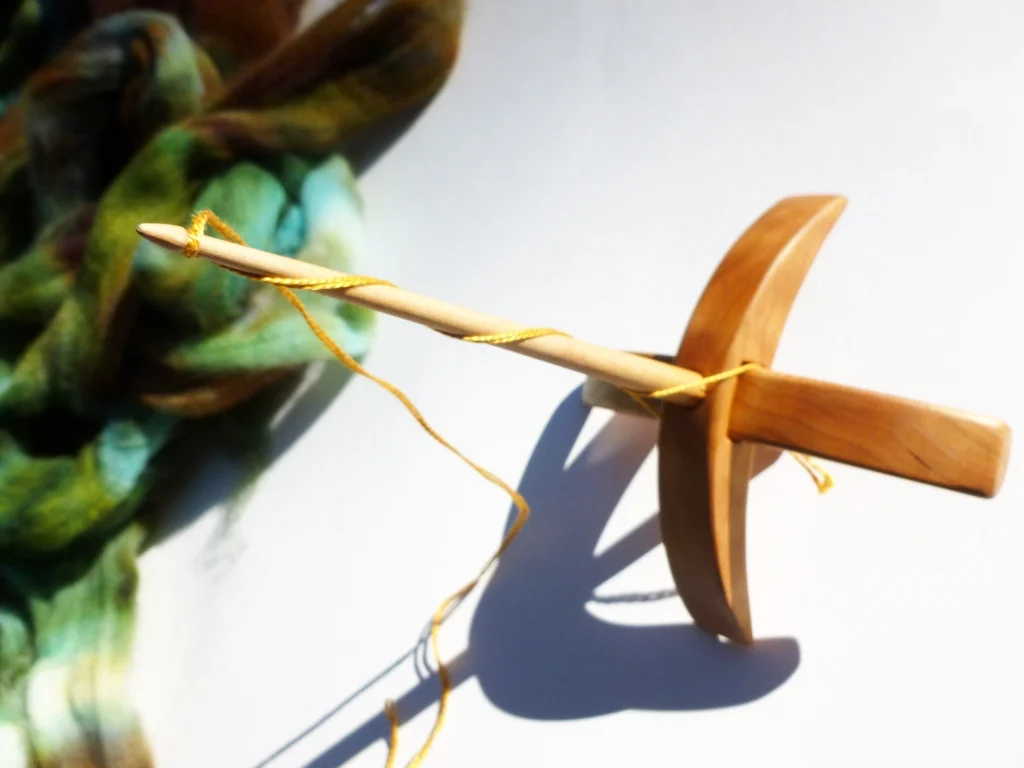
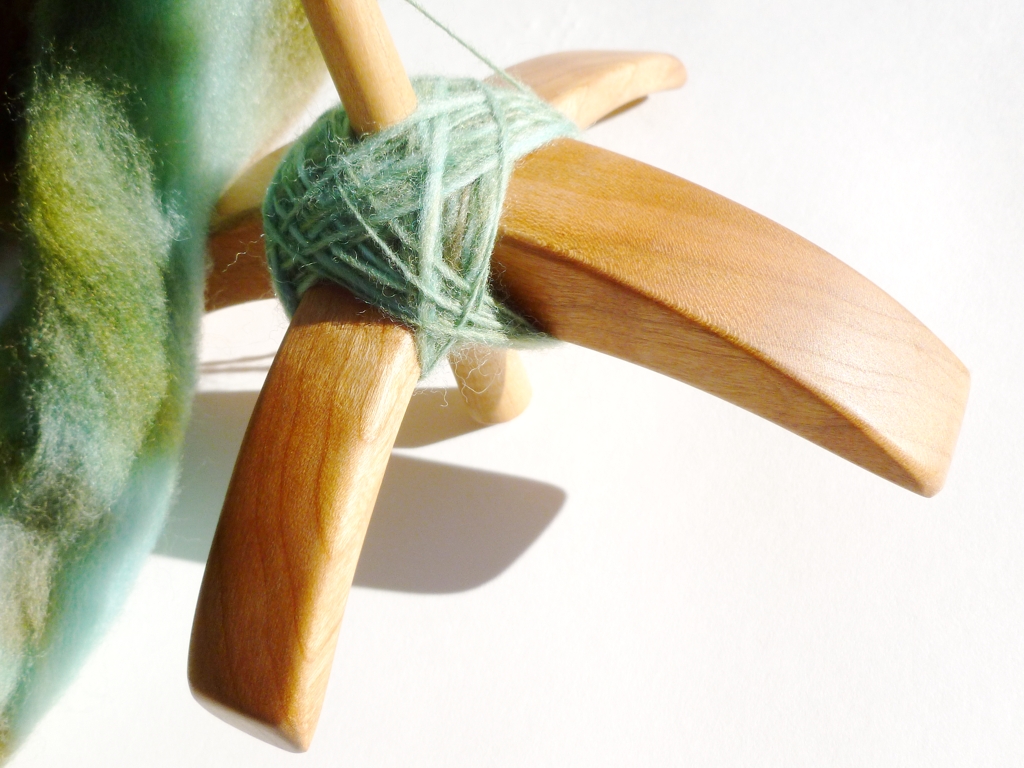
Check out what arrived in the mail yesterday: a Jenkins Swan Spindle made from cherry and weighing in at 33g. When I first got a look at the pieces, I could tell the spindle was something special.  It was obvious that everything was made my skilled hands. The spindle had spirit and energy and power. Sounds silly, I know, but it’s true.

I was content to wait until I crossed a few things off my to-do list and finished another spinning project before settling down try this handsome devil out; however, included in the package was a few grams of BFL and some already started yarn. Who am I to resist such an invitation? The yarn was just tied right to the shaft. Why have I never thought about tying a leader on to a turkish spindle like that? I’ve usually settled for making a big loop and setting it underneath two of the arms before making a half hitch at the top. Just tying a knot at the bottom seems so much simpler and balanced.

So, I paced back and forth across my back porch and spun up every last bit of fiber. The spindle was balanced, long spinning, and acted as a single unit instead of three. It spun like a pro.

When the fiber was yarn, I pulled out the shaft and the arms. I didn’t have to push or pull to free the single which is a massive improvement over my last turkish spindle. Then there was plying after I let the twist set and briefly got back to my to-do list.  12 yard mini skeins are insufferably cute. I’ll knit you up one day. 

I could sum up everything I’ve written and do a formal conclusion but I’m going to keep things simple. Never before have I used a tool, spindle or otherwise, that felt like it was made just for me and me alone. Looking forward to spinning lots of yarn together. 

Stash Enhancements

This year I used my birthday as an excuse to splurge on some hand dyed spinning fiber from a few choice Etsy shops. Up to this point, I only had 2 criteria for new fiber. Number One, the fiber had to be mostly wool or a natural fiber which I could spin some awesome yarn from. Number two, pretty colors. No further explanation required. 

During the Birthday Shopping Fiber Binge, I was prompted to add a third criterion - will I actually wear or use those colors (or will any of my friends)? - and it’s all this pattern’s fault: Unleaving by Lee Juvan. Okay, a hank of my handspun named Rhonda takes some of the credit too. I was cleaning up my Ravelry queue and came across Unleaving which is a scarf pattern knit with handspun. I looked at the materials list and I looked at my handspun. I look again and my brain reset. In my stash was the perfect skein of handspun and it even had enough yardage. I’d spun enough yarn to knit way more than a hat or a pair of fingerless gloves. I had enough for a lacy scarf. Honestly, after more than a month, I am still really excited about this. 

So, when I was shopping around, I had to ask myself what the fiber would eventually become which added a whole new level of excitement. This lovely bit of Blue Faced Leicester from Yarn Geek Fibers will probably turn into a slouchy hat. 

Also some BFL from Yarn Geek, this bright explosion of yellow and grey will potentially become a pair of long fingerless mitts. 

This lovely bit of superwash wool roving is from Dawning Dreams. Not too sure what this is going to become but it’ll be great.

A Turkish Spindle

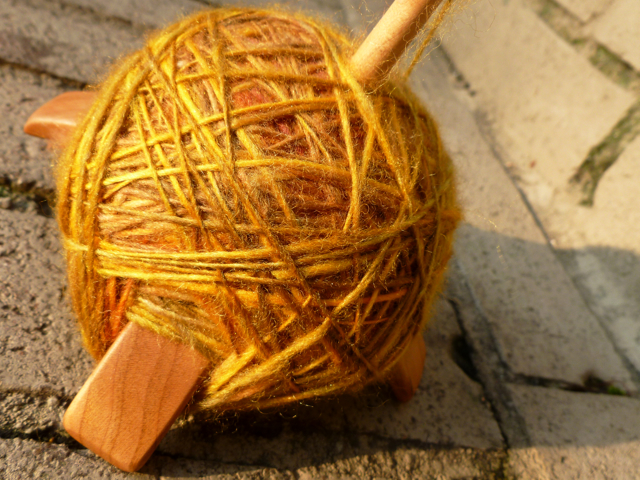
Thanks in part to an enthusiasm to try out new spinning tools during Tour de Fleece* and a healthy bit of curiosity, I bought a Turkish Drop Spindle. What makes a Turkish Drop Spindle special is that the yarn is wrapped around the “arms” instead of spindle’s shaft. Once the spinning is done, the shaft and arms are removed which leaves a handy center pull ball. A few days ago, I got to try this out. 

Here we have a bit practice wool I started spinning right after Tour de Fleece.

Just the arms now.

Look, Ma! No hands!

Besides from wrapping the single around the arms, spinning on a Turkish Drop Spindle isn’t much different than spinning with a typical drop spindle. Just have to remember the “2 over, 1 under” wrapping rule and you’re good to go. 

As soon as the arms were out and I found the other end, I started chain plying the single without having to make a plying ball or any other prep work. I could really get used to that.

I only had one real difficulty using a Turkish spindle over the usual, whorled spindle. Since the turkish spindle acts as two pieces - the shaft and the crossed arms -   the spindle didn’t always start spinning all at once. As I would set the spindle spinning, I could feel the arms slipping around the shaft and unbalance the spin. Since the wobble got really annoying after the nth time, I would wrap the singles tighter and closer to the center. I’m not sure that did anything other than making the arms harder to remove. Since I’ve only tried this one turkish spindle, I’m not sure how widespread the phenomenon is. Guess I’ll just have to try out a few more spindles to check.
*This is the last time I’m going to start off a post by mentioning Tour de Fleece. For now.